
How To
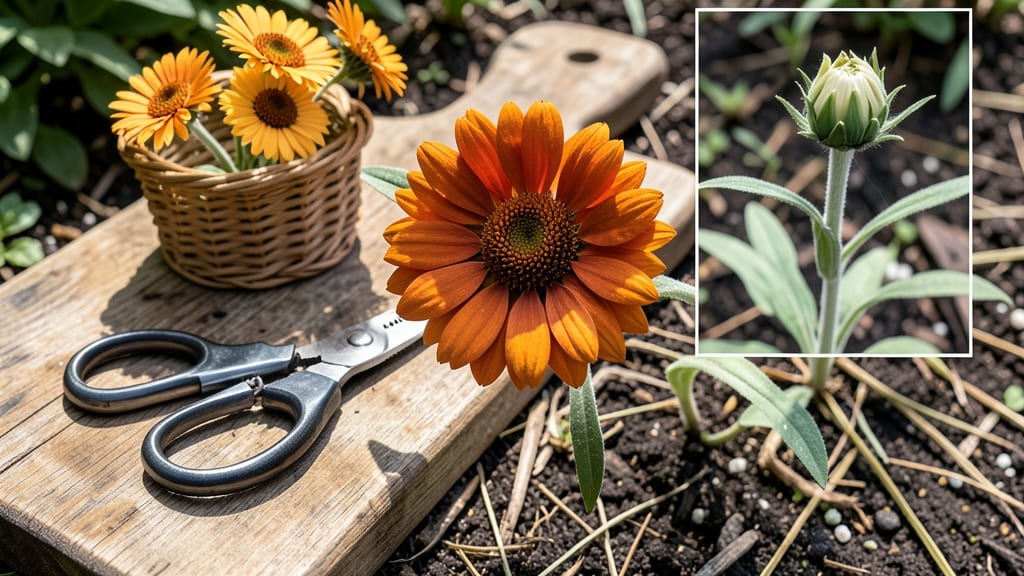
Harvesting strawflower at the right time ensures their petals stay vibrant and dry perfectly for arrangements or drying 🌼 — and missing that window means faded blooms or brittle stems.
Ever snipped a strawflower only to watch its color dull within days? That’s because timing matters more than you’d think. The secret lies in a subtle petal color shift from green-tipped buds to fully mature, papery dryness—something even experienced gardeners sometimes overlook.
In USDA Zone 6a, this usually happens between August and October, but heatwaves or late-season blooms can push it later. The key is catching those flowers when they’re fully open, deep in color, and just starting to feel dry to the touch.
Below, I’ll walk you through the exact visual cues to look for, how to harvest without damaging the plant, and tips to preserve their beauty long after picking—whether for dried bouquets or fresh arrangements.


Strawflower petal color changes: the exact visual cues for harvest time
Strawflowers (Xerochrysum bracteatum) transform from green-tipped buds to stunning, dry papery blooms in a process that’s both beautiful and precise. The color progression is your best indicator of harvest readiness, but it varies by variety—'Paprika' turns fiery red-orange, while 'Bridal White' fades to soft cream.
Missing this window means flowers that lose their vibrancy or become brittle.
Sunlight exposure accelerates this shift. Plants in full sun (6-8 hours daily) mature 2-3 weeks faster than those in partial shade, so adjust your expectations based on your garden’s conditions.
For example, 'Mojave Mix' may take 90-120 days to reach harvest, while 'Golden Delicious' can be ready in as few as 80 days under ideal conditions.
Here’s the critical color timeline to watch for, from bud to harvest:
| Stage | Petal Color Cues | Stem Condition | Harvest Readiness |
|---|---|---|---|
| Bud Stage | Green tips, tightly closed | Green, flexible | Not ready |
| Early Bloom | Color developing, petals slightly curled | Greenish, slightly woody | Not ready |
| Peak Color | Fully vibrant (e.g., deep red, gold, white) | Drying at base, papery texture | Harvest now |
| Overripe | Color fading, petals browning | Brittle, dry stems | Too late |
The transition from green tips to fully open petals is the most critical phase. For example, 'Bridal White' strawflowers will shift from pale green centers to a creamy-white hue with slight yellowing at the edges—this is your cue to act.
Meanwhile, 'Paprika' varieties darken to a rich terracotta before drying. Ignore the color and you risk flowers that lose moisture too quickly or develop brown edges.
Sunlight plays a surprising role here. Plants grown in partial shade may take 10-14 extra days to reach peak color compared to those in full sun.
If your garden is shadier, monitor buds closely for the first signs of petal flattening, which signals the shift from growth to maturation. Pro tip: Morning sunlight enhances color vibrancy, so harvest on clear, sunny mornings for the best results.
Variety also dictates timing. 'Golden Delicious' strawflowers, for instance, may be ready in 80-90 days, while 'Mojave Mix' can take up to 120 days. Check your seed packet for days to maturity and adjust your harvest schedule accordingly.
In USDA Zone 6a, this typically aligns with late August to early October, but early bloomers like 'Lemon Gem' might be ready as early as mid-July.
Don’t rely solely on color—touch is your secret weapon. Gently brush a petal with your fingertip. If it feels slightly papery (like tissue paper), it’s time to harvest. If it’s still soft and pliable, wait 2-3 more days.
Overripe flowers will feel crunchy and brittle, and their stems will snap easily. This tactile check ensures you never miss the window between perfect freshness and over-maturity.
Once you’ve spotted the ideal color and texture, act quickly. Strawflowers continue drying even after harvest, so cut stems at a 45-degree angle just above a leaf node to encourage regrowth.
Place them in a dry, shaded area (like a garage or shed) to complete the drying process over 1-2 weeks. Properly dried strawflowers retain their color for years, making them perfect for everlasting arrangements.
If you’re unsure whether a flower is ready, compare it to the summary-table above. The combination of vibrant color, flat petals, and papery texture is your foolproof signal.
Miss this moment, and you’ll end up with flowers that lose their vibrancy within days—or worse, ones that crumble before you can use them. Trust the process, and your strawflowers will reward you with stunning, long-lasting blooms for arrangements, crafts, or even culinary garnishes.
Best practices for harvesting strawflowers without damaging the plant
Harvesting strawflowers at the wrong time can turn your vibrant blooms into sad, wilted remnants within hours. The best time to harvest is early morning, when stems are hydrated and petals are crisp.
This reduces stress on the plant and extends the vase life of your cut flowers by up to 30%.
Use clean, sharp pruners or hand pruners to make a clean cut just above a leaf node. Avoid tearing stems, which can introduce bacteria and shorten the flower’s lifespan. I always keep a small spray bottle of water nearby to immediately refresh cut stems before arranging.
Never harvest after a hot afternoon or when petals feel sticky or damp—this signals humidity stress. The ideal moment is when 80% of petals are fully open and papery to the touch, but before they start shedding.
⚠️ Harvesting Too Late = Faded Flowers
Strawflowers lose their color within 24 hours if harvested past their prime. Watch for these red flags:
- 🔴 Petals curling inward (overripe)
- 🟡 Stems turning woody (too dry)
- 🌱 Green centers (not fully mature)
Harvest before these signs appear for the best color retention!
After cutting, strip lower leaves from the stems to prevent bacterial growth in water. Place stems immediately in lukewarm water (not cold) to avoid shock. I’ve found that adding a splash of bleach (1 capful per gallon) keeps water clean and extends freshness by 5-7 days.
To encourage regrowth, always leave at least 2-3 sets of leaves on the plant after harvesting. Prune back any dead or damaged stems to redirect energy to new blooms. In USDA Zone 6a, this gives plants time to recover before first frost in late October.
Mistake alert: Overcrowding stems in a vase can cause petal browning. Space them out and change the water every 2-3 days to prevent mold. For dried arrangements, hang stems upside down in a dark, dry space for 2-3 weeks—this preserves their papery texture perfectly.