
Flowers
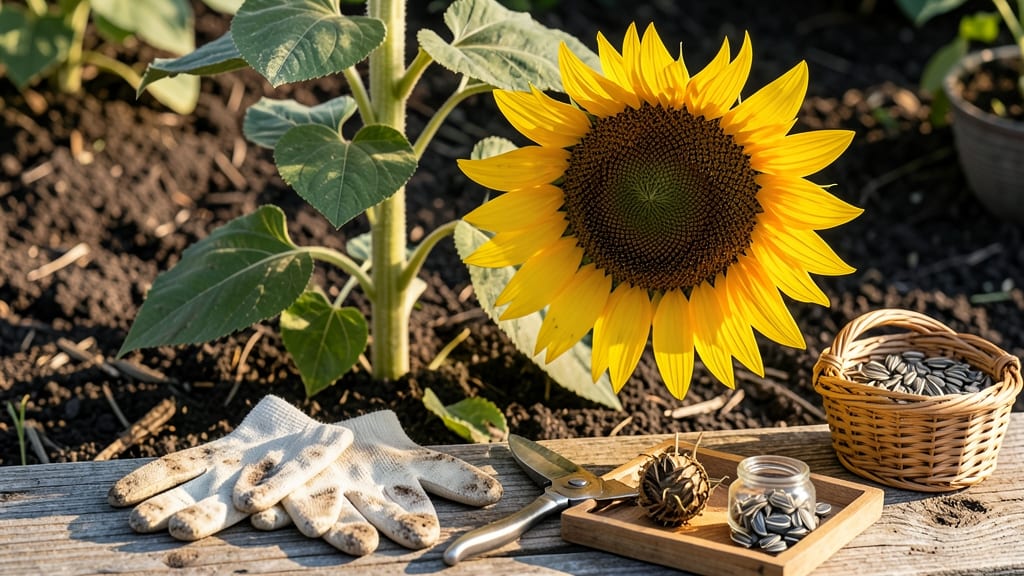
Harvesting sunflowers at the right time ensures you get the best seeds, oil, or blooms for your needs — and missing that window means wasted effort or poor-quality results.
Picture this: you’ve nurtured your 🌻 sunflowers all season, watching them grow from tiny sprouts to towering giants, only to realize too late that the seeds are already gone to birds or the petals have dried into brittle husks. That’s the difference between a bountiful harvest and a disappointing one.
Knowing when to harvest sunflowers depends on your goals — whether you’re after crispy roasted seeds, vibrant bouquets, or oil-rich varieties. The key is watching for visual cues like yellow-brown petal backs, a firm seed head, and the classic "squeeze test" that tells you the seeds are ready.
In this guide, I’ll break down the exact signs to harvest sunflowers at peak maturity, how different varieties and climate zones affect timing, and the simple steps to store your harvest for long-term use.


How to identify sunflower seed maturity for harvesting
Knowing when to harvest sunflowers is critical for maximizing seed quality and yield. Harvest too early, and you’ll get soft, underdeveloped seeds. Wait too long, and birds or weather may ruin your crop.
The key lies in watching for specific visual maturity cues and using the classic squeeze test to confirm readiness.
Sunflowers typically reach maturity between 70–120 days after planting, depending on the variety. For example, dwarf varieties like 'Teddy Bear' mature faster (around 60–70 days), while giant varieties like 'Mammoth' may take up to 120 days.
Paying attention to these timing differences ensures you don’t miss the harvest window.
Here’s my step-by-step guide to identifying sunflower seed maturity using simple, foolproof methods:
- Step 1: Observe Petal Changes Watch for the back of petals turning from bright yellow to yellow-brown. This signals the plant is redirecting energy to seed development.
- Step 2: Perform the Squeeze Test Gently squeeze the seed head. If it feels firm and dry (like a hardball), the seeds are ready. If it’s soft or moist, wait 3–5 more days.
- Step 3: Check for Petal Droop When petals begin to droop and fall off naturally, it’s a clear sign the seeds are maturing. Don’t wait until all petals are gone—harvest just as they start to wilt.
- Step 4: Listen for the Rattle Shake the seed head gently. If you hear a dry rattle, the seeds inside are fully mature and ready for harvest.
- Step 5: Verify Seed Color Open a seed casing to check the color. Mature seeds should be plump and dark gray/black. If they’re still white or shriveled, they’re not ready.
- Step 6: Harvest in Dry Weather Choose a dry, sunny day for harvesting to prevent mold. Cut the flower head with 2–3 inches of stem attached for easier drying.
Timing your harvest correctly isn’t just about avoiding wasted effort—it’s about seed quality. Overripe seeds lose flavor and may crack open, while underripe seeds won’t store well.
For oilseed varieties, harvest at the first sign of maturity to preserve oil content. For confectionery types (like 'Russian Giant'), wait slightly longer for sweeter, larger seeds.
One common mistake I see is harvesting based on flower head size alone. A large head doesn’t always mean mature seeds! Always combine visual cues with the squeeze test for accuracy.
For example, a 12-inch head might look impressive but still contain soft, immature seeds if the petals haven’t changed color.
After harvesting, hang the flower heads upside down in a dry, well-ventilated area (like a garage or shed) for 2–3 weeks to fully dry the seeds. Once dry, rub the seeds out by hand or use a clean cloth to remove them from the head.
Store them in an airtight container in a cool, dark place for up to 1 year.
Pro tip: If you’re growing sunflowers for bird feed, you can leave some heads on the stalk until they’re completely dry and the birds have stripped most of the seeds. This saves time but may attract pests like squirrels or raccoons, so monitor them closely.
Remember, patience pays off with sunflowers. Rushing the harvest can leave you with seeds that won’t sprout or taste bitter. By mastering these maturity signs, you’ll ensure a bountiful, high-quality harvest every season.
Sunflower variety harvest times: dwarf vs giant vs oil-seed types
Not all sunflowers mature at the same time, and knowing the differences between dwarf, giant, and oil-seed varieties can mean the difference between a perfect harvest and a disappointing one. Each type has unique harvest windows influenced by their growth habits and intended use.
For example, dwarf varieties like 'Teddy Bear' or 'Moulin Rouge' reach maturity faster—often in 50-60 days—while towering giant varieties such as 'Russian Giant' or 'Mammoth' take 100-120 days to fully develop.
Meanwhile, oil-seed types like 'Sunizole' or 'Hysun' prioritize seed production over flower size, requiring precise timing to maximize oil yield.
Climate zones also play a critical role. In warmer zones (8-10), sunflowers may mature 2-3 weeks earlier than in cooler regions (4-6). Always adjust your harvest expectations based on your local frost dates and seasonal patterns.
| Variety Type | Mature Height | Days to Maturity | Best Harvest Months | Key Harvest Cue |
|---|---|---|---|---|
| Dwarf (Confectionery) | 1–3 ft | 50–60 days | July–August | Petals droop, seed head firm |
| Semi-Dwarf | 3–6 ft | 60–75 days | August–September | Back petals brown, seeds rattle |
| Giant (Standard) | 6–14 ft | 90–120 days | September–October | Seed head fully dry, petals fallen |
| Oil-Seed | 3–10 ft | 80–100 days | August–September | Seed color darkens, head hardens |
If you're growing oil-seed varieties, focus on the seed color and head firmness—these types prioritize seed development over flower aesthetics. Harvest too early, and the oil content will be low; wait too long, and birds will strip the seeds before you can collect them.
For giant varieties, patience is key. Their long growth cycle means you’ll often harvest later in the season, sometimes even after the first frost in cooler climates. Use row covers if early frosts threaten to cut your season short.
Pro tip: Mark your planting dates and use a garden journal to track maturity timelines. Over time, you’ll predict harvest windows with precision, ensuring you never miss the perfect moment to reap your sunflower rewards.