
Flowers
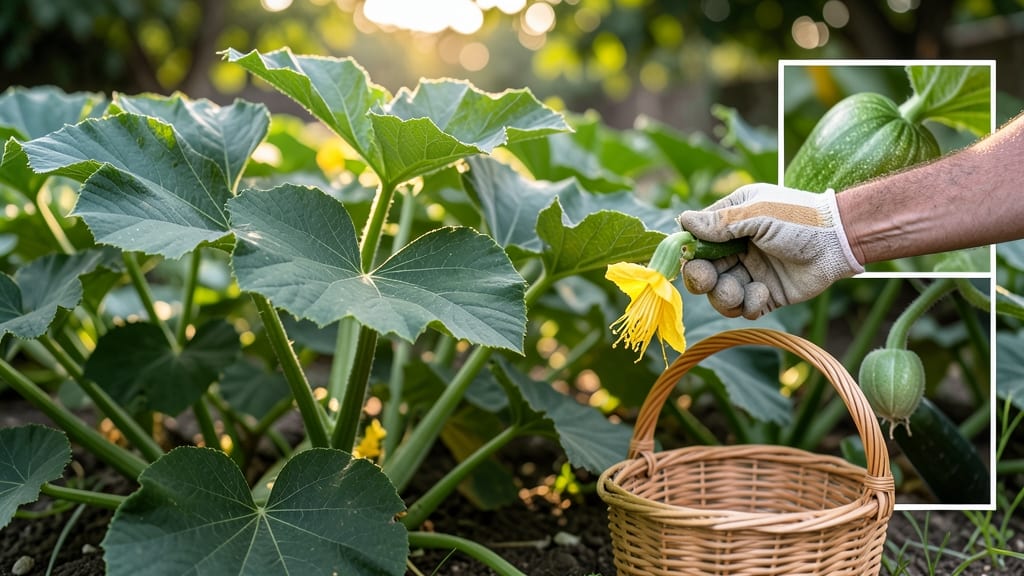
Picking zucchini flowers at the right time ensures you get the most flavorful blooms before they turn bitter or bolt into fruit 🎃.
If you’ve ever snipped a flower only to find it wilted by dinner, you know timing is everything. The difference between a delicate, edible bloom and a tough, overripe one comes down to a few simple cues—and knowing when to act.
Morning is the best time to harvest, when petals are fully unfurled and dew still clings to them. This guide breaks down the ideal stages, weather considerations, and how often to pick without stressing your plant.
You’ll also discover creative ways to use your harvest—from frying to stuffing—plus tips to keep your zucchini plant producing blooms all season long.
Optimal harvest time for zucchini flowers before they bolt
Timing your zucchini flower harvest is everything—pick too early, and they’re still bitter; too late, and they wilt into inedible buds. The ideal window is when flowers are fully open in the morning, just after dew has dried but before the heat of the day sets in.
This ensures peak flavor and tenderness, with petals still crisp and vibrant. I’ve learned the hard way that harvesting in the evening can lead to flowers that’ve already begun to wilt or develop a harsh taste.
Look for bright yellow male flowers (with long stems) or white female flowers (with tiny zucchini forming at the base). Both should have fully unfurled petals and a firm stem—never woody or brittle.
The stamen centers should be dry and slightly raised, not sticky or drooping. These visual cues are your best friends for nailing the perfect harvest time.
| Stage | Visual Cues | Harvest Time | Flavor Profile |
|---|---|---|---|
| Bud Stage | Closed petals, firm stem | Not ready | Bitter, underdeveloped |
| Partially Open | Petals unfurling, dew present | Early morning | Mild, slightly sweet |
| Fully Open | Bright color, crisp petals, dry stamen | Morning (6-9 AM) | Delicate, sweet, peak flavor |
| Late Day/Wilted | Drooping petals, sticky stamen | Avoid | Bitter, tough texture |
Morning harvests are non-negotiable for zucchini flower quality. The cool temperatures preserve their delicate texture, while evening picks risk wilting or even attracting pests like bees that can make flowers less appealing to use.
I always grab my pruning shears or sharp knife first thing in the morning, scanning the plant for the brightest blooms with no signs of wilting.
Female flowers (the ones with tiny zucchini forming at the base) are best harvested before the fruit swells, as they’ll develop a tougher, less tender texture. Male flowers, with their long stems, can be picked more liberally since they don’t compete with fruit production.
Pro tip: Harvesting both types encourages the plant to produce more flowers for future harvests.
Never pick flowers that are partially closed or show signs of yellowing petals—these are past their prime and will taste bitter. I’ve made the mistake of harvesting wilted flowers, only to discover they ruined an otherwise perfect dish.
Stick to the fully open, dew-free morning blooms for the best results every time.
Frequency matters too. Harvest every 2-3 days during peak flowering (usually July through August in most climates) to keep the plant producing. Overlooking this can lead to bolting, where the plant focuses energy on seed production instead of flowers.
My zucchini plants thrive when I stay consistent with harvests and watering.
If you’re in a hot, dry climate, morning harvests become even more critical. The heat accelerates wilting, so pick early and use flowers immediately or store them in the fridge for up to 24 hours.
I’ve found that shade-cloth can help extend the morning window in extreme heat, giving you a few extra minutes to harvest before the sun peaks.
Watch for overripe flowers—they’ll have drooping petals and a sticky stamen. These are a clear sign the plant is shifting focus to fruit production. By then, the flowers are often too tough or bitter to use.
Regular harvesting keeps the plant in flowering mode longer, giving you a longer harvest window.
For first-time growers, I recommend marking a harvest calendar with your plant’s flowering timeline. Most zucchini varieties produce flowers for 6-8 weeks if cared for properly. Plan your morning routine around this window to avoid missing peak harvests.
And always carry a small basket or container to collect flowers gently without damaging the stems.
Finally, don’t forget to inspect the stems before cutting. A healthy stem should snap cleanly with minimal resistance. If it feels mushy or pulls away easily, the flower is overripe.
With these tips, you’ll master the art of harvesting zucchini flowers at their peak—just in time for your favorite recipes! 🌼
How to harvest zucchini flowers without damaging the plant
Harvesting zucchini flowers the right way keeps your plant thriving and ensures a steady supply of delicate, flavorful blooms. The key is gentle removal at the perfect stage—before they turn bitter or the plant diverts energy to fruit production.
I’ve learned from experience that rough handling or harvesting at the wrong time can stress your zucchini plant, reducing future blooms.
Start by using the right tools—a pair of clean, sharp pruning shears or scissors works best. Avoid tearing the stem, as this can damage the plant’s vascular system and slow down new growth.
The goal is to encourage more flowers, not hinder them. With the right technique, you can harvest 2-3 flowers per plant daily without causing harm.
- Step 1: Choose the Right Time – Harvest in the early morning (between 6-8 AM) when petals are fully unfurled and dew is present. This ensures peak freshness and flavor.
- Step 2: Identify Ready Flowers – Look for fully open blooms with bright, crisp petals. Avoid flowers that are partially closed or wilting.
- Step 3: Use the Right Tools – Grab clean pruning shears and position them 1-2 inches below the flower on the stem. Cut at a 45-degree angle to prevent water pooling.
- Step 4: Snip Gently – Make a quick, smooth cut to avoid crushing the stem. Never pull or twist the flower, as this can damage the plant.
- Step 5: Post-Harvest Care – Remove any wilted or damaged petals immediately after cutting. Store flowers in a paper towel-lined container in the fridge for up to 24 hours.
- Step 6: Encourage New Blooms – After harvesting, water the base of the plant and apply a light fertilizer (like 10-10-10) to promote new growth.
One common mistake I see is harvesting flowers that are too small or still closed. These won’t have developed their full flavor and may wilt quickly.
Another pitfall is harvesting late in the day, when flowers are already stressed from heat. Always prioritize morning harvests for the best results.
If you notice your zucchini plant stopping flower production after harvesting, it might be overcrowded or nutrient-deficient. Thin out excess leaves or stems to improve airflow, and consider a balanced fertilizer to support continuous blooming. A healthy plant will reward you with abundant flowers all season.
Pro tip: Male flowers (with long stems) are easier to harvest and often more tender than female flowers (which have tiny fruits forming at their base). Focus on male flowers first to keep your plant’s energy balanced.
With practice, you’ll develop a gentle, efficient harvesting rhythm that benefits both your plant and your kitchen.