
Plants
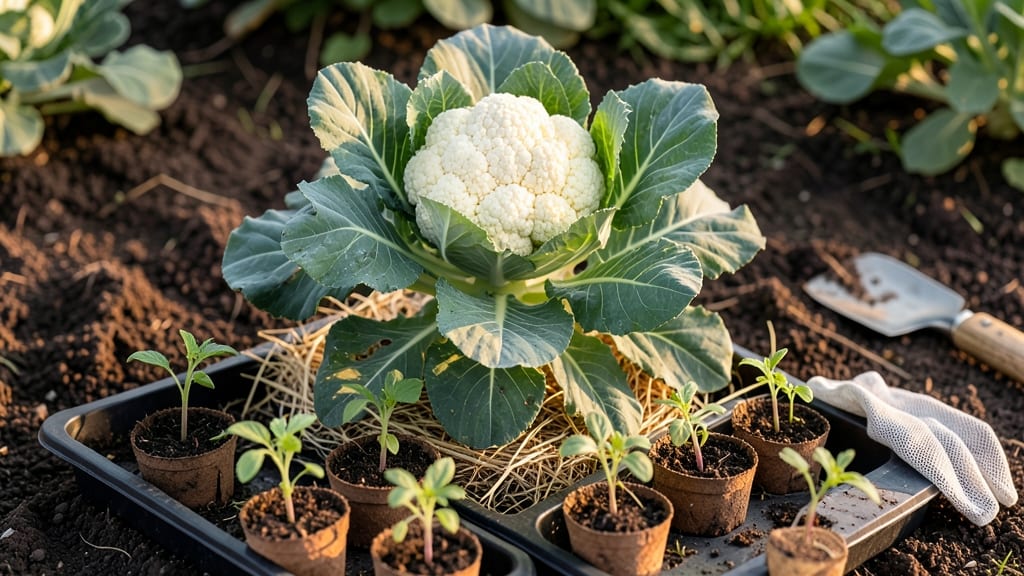
Planting cauliflower in Missouri at the right time means the difference between a bountiful harvest and a bitter disappointment 🥬—and the clock starts ticking in early spring.
Missouri gardeners know timing is everything—and planting cauliflower at the wrong time can mean stunted growth or heads that never fully form. With USDA Zone 6a’s unpredictable swings from frost to heat, even a two-week delay can throw off your entire season.
Here’s the exact schedule for Missouri: start seeds indoors by mid-February for spring plantings, then transplant seedlings just as the soil warms in late March. For fall crops, sow seeds in early August to beat the first frost in October.
Below, I break down the frost dates, soil prep secrets, and how to pick early vs. late varieties—so your cauliflower thrives from seed to harvest, no matter what Missouri throws your way.
Best planting dates for cauliflower in Missouri's USDA Zone 6a
Cauliflower thrives in Missouri's cool-season climate, but timing is critical to avoid bitter heads or stunted growth. In USDA Zone 6a, you have two prime planting windows: spring and fall.
Each requires precise calculations based on your last frost date (typically mid-April) and first frost date (around mid-October).
Missouri's humid summers and unpredictable spring weather demand careful planning. Cauliflower needs consistent soil temperatures between 45°F and 80°F to germinate and grow properly. If planted too early, seedlings may rot in cold soil, while late planting can lead to bolting (premature flowering) before harvest.
For spring planting, start seeds indoors 6-8 weeks before your last frost date. In Missouri, this means late January to early February for most varieties. Transplant seedlings 1-2 weeks before the average last frost date (around mid-March to early April).
Fall planting is equally important for a second harvest. Begin seeds indoors 8-10 weeks before your first frost date, which translates to late June to early July. Transplant seedlings late July to early August, giving them enough time to mature before winter sets in.
Missouri's alkaline soil (pH 7.0-8.0) can also impact growth. Cauliflower prefers neutral to slightly acidic soil (pH 6.0-6.8). Test your soil in early spring or fall and amend with sulfur or peat moss if needed. This step is often overlooked but crucial for optimal head formation.
Choosing the right cauliflower variety can also extend your growing season. Early varieties like 'Snowball Y' mature in 60-70 days, while late varieties like 'Purple of Sicily' take 90-120 days. Early varieties are perfect for spring planting, while late varieties work well for fall harvests.
Missouri's variable weather patterns can throw off even the best-laid plans. If your spring is delayed by cold snaps, opt for slow-bolting varieties like 'Early Snowball' or use row covers to protect young seedlings. For fall planting, monitor temperature drops and use cold frames to extend the season.
One common mistake Missouri gardeners make is overestimating their frost dates. Always check your local Almanac or weather service for 10-year averages rather than relying on memory.
For example, St. Louis (Zone 6a) has seen last frosts as late as April 20th, while Kansas City (Zone 6a) may experience frost until April 15th.
Finally, remember that soil preparation is just as important as planting dates. Work in 2-3 inches of compost or well-rotted manure before planting to ensure your cauliflower has the nutrients it needs for strong head development.
Mulch with straw or grass clippings to retain moisture and suppress weeds during the growing season.
With these precise planting dates and soil conditions, you'll be
How to extend your Missouri cauliflower season with success
Missouri’s short growing season can leave gardeners scrambling to maximize cauliflower harvests before frost 🥬. The key? Extending your season with smart techniques that protect tender plants from late frosts and early chills.
I’ve tested these methods in my own garden, and they’ve helped me push harvests into November—and even December—with minimal risk.
Start with cold frames or row covers to shield young plants from unpredictable Missouri nights. These simple tools can add 2-4 weeks to your growing window, giving cauliflower time to mature before frost.
For fall plantings, I swear by succession planting every 2 weeks from August through September to ensure a steady supply of fresh heads.
Don’t overlook soil preparation—amend your beds with compost and aged manure before planting to ensure nutrient-rich soil. Missouri’s alkaline soils (pH 7.5+) can stunt cauliflower growth, so test your soil and adjust with sulfur or peat moss if needed.
I’ve found that well-draining soil with a pH of 6.0–6.8 yields the healthiest heads.
For late-season protection, I’ve had great success with floating row covers (like Reemay fabric) over cauliflower beds. These lightweight covers block pests like cabbage moths while allowing sunlight and water to penetrate.
Remove them during the day to prevent overheating, but leave them in place during cool nights to safeguard tender leaves.
Finally, choose the right varieties for Missouri’s climate. Purple varieties like ‘Graffiti’ tolerate cooler temperatures better than white cauliflower, making them ideal for fall plantings. For spring, opt for early-maturing hybrids like ‘Snowball’ or ‘Cheddar’ to beat Missouri’s unpredictable heat waves that can bolt plants prematurely.
With these strategies, you’ll turn Missouri’s short season into a cauliflower goldmine—no matter what Mother Nature throws your way. Happy gardening! 🌱