
Plants
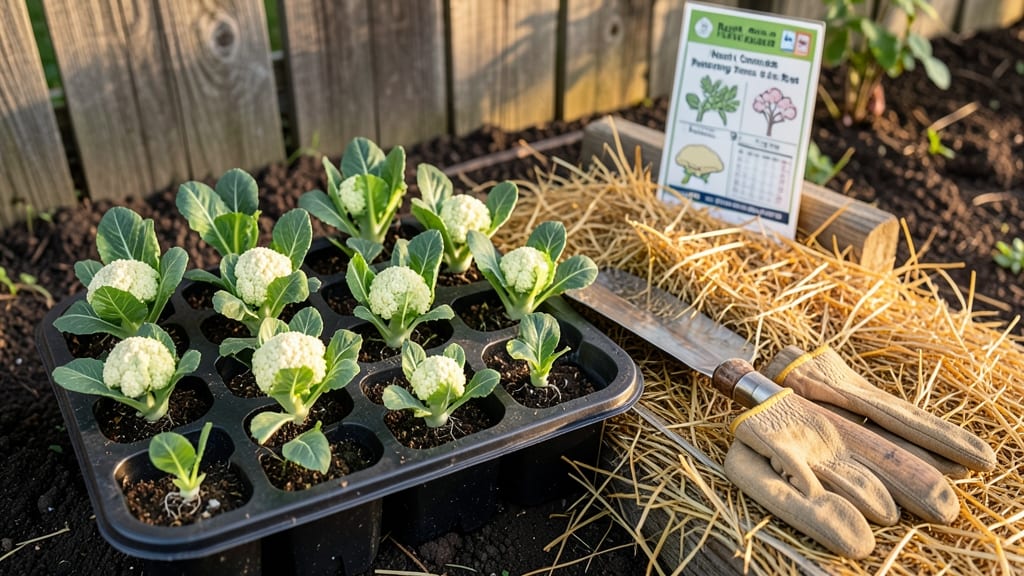
Planting cauliflower in North Carolina at the right time means the difference between a bountiful harvest and a sad, bolted mess.
North Carolina’s warm climate can make growing cauliflower tricky—but timing is everything. Plant too early, and frost ruins your crop; too late, and summer heat turns heads into bitter buttons. Here’s the exact schedule for heat-tolerant varieties to maximize your harvest.
For spring plantings, aim for late February to early March in zones 6b-7a, or March to early April in warmer zones 7b-8a. This gives your 🥬 enough time to mature before summer’s relentless heat sets in.
Fall plantings work too—sow seeds in late July to early August for a harvest before the first frost. Below, I’ll break down the best varieties for NC’s heat, soil prep tips, and how to stretch your growing season for the best results.
Best planting months for cauliflower in North Carolina’s climate zones
North Carolina’s diverse climate zones (6a–8b) create unique challenges for growing cauliflower. Unlike cool-weather crops, cauliflower thrives when temperatures stay between 50°F–75°F. Plant too early, and frost damage kills seedlings; too late, and summer heat causes bolting.
The key? Strategic timing based on your USDA zone and heat-tolerant varieties.
Most NC gardeners succeed with two planting windows: early spring (February–March) and late summer (July–August). Spring plantings avoid frost by starting 4–6 weeks before last frost, while summer plantings rely on heat-resistant varieties to mature before fall chill.
Below, I’ve broken down the best months for each zone, including frost risk and variety recommendations.
🌱 Pro Tip: Test soil temperature—cauliflower seeds need 40°F–85°F to germinate. Use a soil thermometer to avoid planting too early in cold zones (6a) or too late in hot zones (8b).
For Zone 6a (mountains), focus on late March plantings to avoid frost. Start seeds indoors in February for transplants ready by March 15. In Zone 8b (coastal), you can plant as early as December for a spring harvest, but prioritize shade cloth in summer to prevent bolting.
In Zones 7a–7b, the Piedmont and Coastal Plain offer flexibility. Plant ‘Cheddar’ in early February for a spring crop or ‘Graffiti’ in July for fall. Both varieties tolerate 90°F+ temperatures better than traditional white cauliflower.
My Zone 7b garden yields the best results with drip irrigation and morning watering to beat the heat.
🌡️ Heat Warning: Temperatures above 85°F for 3+ days cause cauliflower to bolt (send up flower stalks). Use 30% shade cloth in summer or opt for purple varieties, which handle heat slightly better than white.
Frost is the biggest threat in spring plantings. Check your average first frost date (typically November 15) and count backward 100–120 days for fall harvests. For example, in Zone 7a, plant by July 15 to harvest by October 15, before frost arrives.
Soil preparation is critical. Cauliflower prefers 6.5–7.0 pH and rich, well-draining soil. Amend clay soil with compost or sand and avoid fresh manure, which can cause bolting. My Zone 8a garden uses aged compost and mulch to retain moisture during summer’s dry spells.
Finally, succession planting extends your harvest. In Zones 7b–8b, sow every 2 weeks from February–March for a staggered spring crop. For fall, plant July–August with 10–14 days between batches to ensure continuous harvests before frost.
With the right timing and heat-tolerant varieties, you can grow cauliflower in NC year-round. Start with one test batch in your zone, monitor soil temps, and adjust shading as needed. Soon, you’ll be harvesting sweet, firm heads even in summer’s heat! 🌿
How to extend cauliflower’s growing season in NC’s hot summers
North Carolina’s summer heat can turn your cauliflower into a sad, bitter mess if you don’t take action. The key to success? Extending the growing season with smart strategies that keep soil cool and plants hydrated.
I’ve tested these methods in my Zone 7b garden, and they’ve saved my harvests from bolting multiple times.
First, focus on shade cloth and mulching to regulate soil temperature. Cauliflower thrives in 60–70°F soil, but NC summers often push temps above 85°F.
Without intervention, your plants will bolt—or worse, rot. Pair this with even irrigation and companion planting to create the perfect microclimate for your 🥬.
Here’s the breakdown of what works best—and what to avoid—when battling NC’s summer heat to keep your cauliflower happy and productive.
Organic vs. Synthetic Mulches for Cauliflower
Organic Mulch
- Pros: Improves soil fertility, retains moisture, breaks down naturally.
- Cons: Can attract pests, decomposes over time, may harbor diseases.
Best for: Long-term soil health. Use straw or grass clippings.
Synthetic Mulch
- Pros: Lasts 2–3 years, suppresses weeds effectively, reflects heat.
- Cons: Doesn’t improve soil, can overheat plants if too reflective, not biodegradable.
Best for: Short-term heat protection. Use black or silver plastic.
For shade cloth, I recommend a 30–50% shade fabric to filter sunlight without starving your plants. Install it at midday when the sun is harshest, then remove it in the early morning and late afternoon to allow light for photosynthesis.
This trick has kept my Graffiti cauliflower from bolting in 90°F+ heat.
Don’t forget irrigation timing—water deeply in the morning to reduce evaporation and fungal risks. Avoid overhead sprinklers, which can spread disease. Instead, use drip irrigation or soaker hoses to deliver water directly to the roots.
Pair this with companion planting, like bush beans or radishes, to improve soil structure and deter pests.
Finally, monitor soil temperature with a soil thermometer. If temps rise above 75°F, take action: move plants to partial shade, increase watering frequency, or even use row covers for a few hours a day.
These steps have helped me extend my harvest window by 4–6 weeks in NC’s brutal summers.
With these strategies, you’ll turn NC’s heat from a threat into an opportunity for a longer, healthier cauliflower season. 🌱