
Companion Plants
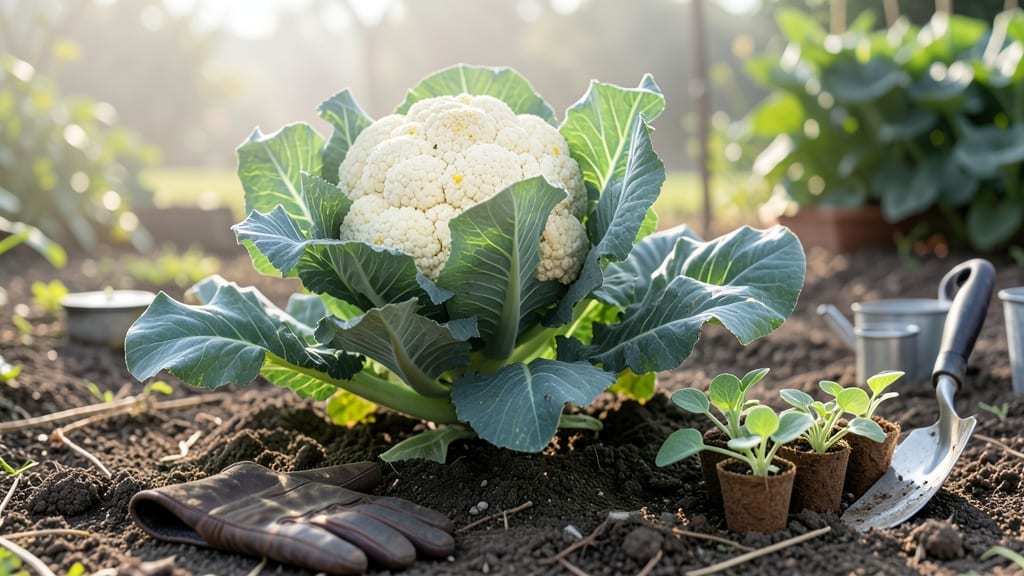
Planting cauliflower in Pennsylvania requires timing it just right to avoid frost and summer heat—think of it as hitting a moving target between late April and early September.
Pennsylvania gardeners know timing is everything—plant too early, and frost will wreck your crop; too late, and summer heat will make it bolt. But with the right frost-free schedule for USDA Zones 5b-6b, you can grow crisp, flavorful heads all season.
Most cauliflower 🌱 varieties need 60-90 days to mature, so your planting window depends on whether you're aiming for a spring harvest or a fall crop. In Pittsburgh, for example, you’ll want to get seeds in the ground by mid-May, while Philadelphia gardeners have a slightly later window.
Below, I break down the exact frost dates, soil prep tips, and variety recommendations to help you plan for a successful harvest—no more guessing, just reliable, homegrown cauliflower.
Best planting dates for cauliflower in Pennsylvania’s zones 5b-6b
Cauliflower thrives in Pennsylvania’s cool-season climate, but getting the planting timing right prevents frost damage or summer bolting. In USDA Zones 5b-6b, you can grow two successful crops: early spring and late summer/fall.
The key is aligning your planting with frost-free windows and soil temperatures above 45°F (7°C).
Pennsylvania’s frost dates vary by region. Philadelphia (Zone 6b) averages its last spring frost around April 15, while Pittsburgh (Zone 6a) sees frost linger until May 1. Allentown (Zone 6b) falls between these dates. For fall, first frosts typically arrive between October 15-30, depending on elevation.
Here’s how to calculate your local window: Subtract 75-90 days (cauliflower’s maturity range) from your average last frost date. For example, if your last frost is May 1, plant by February 1 for spring harvests.
For fall, add 75 days to your first frost date to determine the latest planting time.
For spring planting, start seeds indoors 6-8 weeks before your last frost date. Transplant seedlings outdoors when soil reaches 50°F (10°C) and nighttime temperatures stay above 40°F (4°C). In Pennsylvania, this typically means mid-April to early May for most regions.
Fall planting requires more precision. Sow seeds 75-90 days before your first frost. For a late-summer harvest, aim for July 1-15 in southern PA or July 15-30 in northern areas. Use shade cloth if daytime temps exceed 80°F (27°C) to prevent bolting.
Adjust for microclimates—valleys stay cooler longer, while urban areas may warm faster. Check local weather stations or use Almanac’s Frost Calculator for precise dates. Succession planting every 2-3 weeks in spring and 1 week in fall ensures a continuous harvest.
Protect young plants with frost cloth if nights dip below 35°F (2°C). In fall, extend the season with low tunnels or row covers to shield from early frosts. With these timing strategies, you’ll enjoy homegrown cauliflower from spring through fall in Pennsylvania’s climate.
Remember: Soil temperature matters more than air temperature. Use a soil thermometer to confirm 50°F (10°C) before transplanting. This simple tool prevents wasted effort on cold, slow-to-warm soils.
How to extend your cauliflower season in Pennsylvania’s climate
Pennsylvania’s unpredictable spring frosts and sweltering summer heat can sabotage cauliflower crops if you’re not prepared. The key to success? Strategic timing and protective barriers that shield your plants from temperature extremes.
I’ve grown cauliflower in Zone 6a for years, and these techniques have helped me avoid bolting and frost damage every season.
Summer heat is cauliflower’s worst enemy—temperatures above 80°F trigger bolting, turning your perfect heads into bitter flower stalks. Meanwhile, late spring frosts can kill young seedlings before they even get started.
The solution? Row covers, shade cloth, and succession planting to spread out your harvest window. Let’s break down how to make it work in PA’s microclimates.
🌱 5 Proven Strategies to Extend Your Cauliflower Season
- 1. Use row covers for early spring and late fall plantings to protect against frost while allowing sunlight through.
- 2. Install 30% shade cloth during summer months to keep soil temps below 80°F and prevent bolting.
- 3. Plant heat-tolerant varieties like ‘Snowball Y Improved’ for June-July successions in cooler PA mountain regions.
- 4. Try cold frames for fall extensions—they trap heat during the day and insulate at night.
- 5. Succession plant every 2 weeks from April to July to stagger harvests and avoid seasonal gaps.
For row covers, I recommend lightweight floating row covers (like Agribon) that you can easily remove during pollination. These work wonders for early spring plantings in Zone 5b, where last frosts can occur as late as May 15th.
Just secure the edges with soil or bricks to prevent wind damage. In my Pittsburgh garden, this has added 3-4 extra weeks of frost-free growing time.
When summer arrives, shade cloth becomes your best friend. A 30% shade cloth reduces soil temperatures by 10-15°F, creating a cooler microclimate for your plants. I’ve seen dramatic results with July plantings—what would normally bolt in Zone 6b’s heat actually produces marketable heads when shaded.
Just remember to remove the cloth during heavy rains to prevent fungal issues.
Another game-changer is succession planting. Instead of one big planting in spring, I make small batches every 2 weeks from April through July. This ensures a continuous harvest and reduces the risk of losing your entire crop to one heatwave or frost event.
For fall plantings, aim for mid-July to early August so your cauliflower matures before first frost (typically October 15th in most of PA).
Don’t overlook microclimates—Pennsylvania’s varied topography means your neighbor’s garden might have 2 weeks’ difference in frost dates. Mountain regions like the Poconos can stay cooler longer, while urban heat islands in Philadelphia may require earlier shade cloth deployment. Always check your local frost dates and adjust accordingly.
With these strategies, you can enjoy homegrown cauliflower from late spring through early fall—no matter where you garden in Pennsylvania. The secret? Stay flexible, protect your plants, and keep planting until the weather turns against you. Your taste buds (and dinner plate) will thank you! 🌱🌿