
Plants
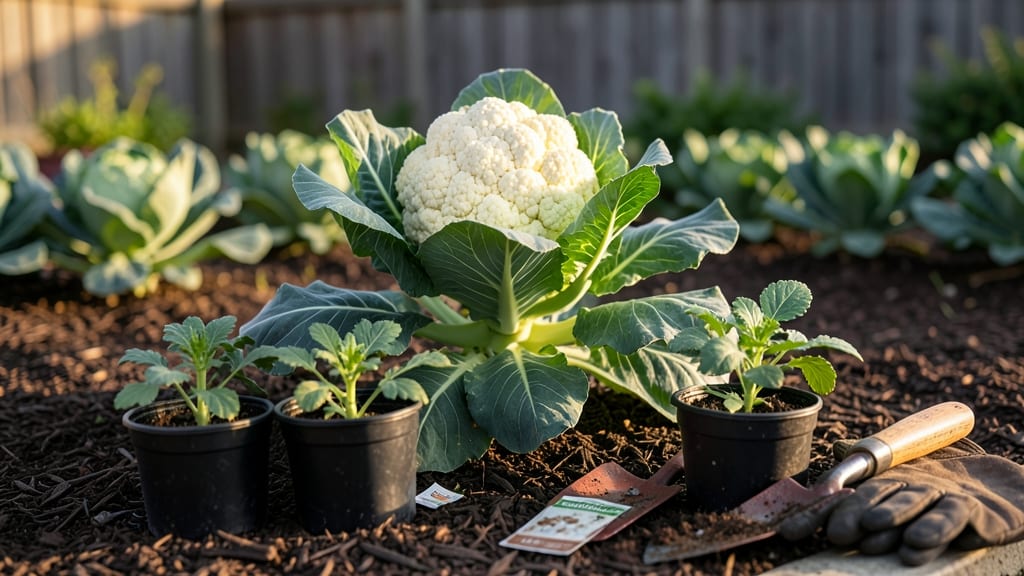
To plant cauliflower in Texas, aim for late summer to early fall—specifically September through October—when temperatures begin to cool and the risk of bolting drops.
I’ve watched 🥬 cauliflower heads shrivel under 90°F heat, only to thrive when planted at the right time. The key? Beat the summer furnace by sowing seeds 6-8 weeks before your first frost, which in Texas can range from mid-November in North Texas to early January in the South.
This isn’t just about timing—it’s about choosing the right varieties. Heat-tolerant types like 'Cheddar' or 'Purple of Sicily' can handle Texas summers better than standard varieties, but even they need shade and consistent water to avoid stress.
Below, I’ll walk you through the exact planting schedule for your zone, soil prep tricks to keep roots cool, and how to stretch your harvest window even in 10b heat—because yes, cauliflower can survive (and even thrive) in Texas with the right approach.
Best planting times for cauliflower in Texas Zones (with heat-tolerant varieties)
Texas gardeners face a unique challenge with cauliflower—its sensitivity to heat means timing is everything. Unlike cool-season crops, cauliflower bolts quickly when temperatures exceed 85°F. The key is planting during fall or early spring when daytime highs dip below 80°F.
In Texas’ USDA Zones 7-10, this means focusing on September-October sowing for fall harvests or February-March for spring crops.
Heat-tolerant varieties like 'Cheddar', 'Purple of Sicily', and 'Snowball Y Improved' can handle 90°F+ temperatures better than standard types. These varieties are your best bet for North Texas gardens where summer heat lingers into October.
Even with these tougher plants, shade cloth and mulch become essential tools to protect young seedlings from afternoon sun.
Here’s your Texas-specific planting timeline broken down by zone, including the best heat-tolerant varieties for each area:
For North Texas gardeners in Zone 7, the September 1-15 window is critical. Planting earlier risks exposing seedlings to 90°F+ heat, while waiting too long may result in heads forming too close to winter frosts.
Varieties like 'Cheddar' mature quickly (60-70 days) and tolerate brief cold snaps, making them ideal for this zone.
In Central Texas (Zone 8), you have a slightly longer window thanks to milder winters. Sow seeds from August 20-September 10 for fall harvests, then protect plants with lightweight row covers once temperatures drop below 50°F.
The 'Purple of Sicily' variety stands out here for its vibrant color and heat resistance, thriving even when other varieties struggle.
Southern regions like Zones 9-10 offer only one planting window: September-October. Here, 'Romanesco' and 'Cavalo' excel due to their compact growth habit and ability to form heads in cooler fall temperatures.
These varieties also handle humidity better than standard cauliflower, reducing the risk of rot in Texas’ coastal climates.
If you’re growing cauliflower in containers or raised beds, adjust your timing by 2-3 weeks earlier. Container-grown plants warm up faster and may need extra shade during the hottest part of the day.
For urban gardeners, 5-gallon pots with well-draining soil work well, but ensure they’re placed where they receive morning sun and afternoon shade.
One common mistake Texas gardeners make is planting too late in the fall, hoping for a spring harvest. Cauliflower needs 60-80 days to mature, so late-September sowings in Zone 7 won’t yield heads before winter frosts.
Instead, focus on early fall planting and use season extenders like cold frames to push harvests into January.
For those in Zone 10, where winters are mild, a spring planting isn’t recommended—cauliflower simply can’t tolerate the summer heat. Instead, treat it as a fall-only crop and plan your garden around September-October sowings.
Pair cauliflower with companion plants like bush beans or lettuce to maximize space and reduce heat stress on seedlings.
Pro tip: Always harden off seedlings for 7-10 days before transplanting. Move them outdoors gradually to prevent transplant shock
How to extend cauliflower’s growing season in Texas heat (protective strategies)
Texas summers can turn your cauliflower into a sad, bolted mess if you don’t protect it. But with the right protective strategies, you can grow cauliflower heads even when temperatures hit 90°F+.
The key is shielding your plants from heat stress while keeping them cool enough to form those perfect curds. Let’s dive into my top tactics for beating the Texas heat.
First, focus on shade solutions. A 30-50% shade cloth draped over your plants during peak afternoon sun (12 PM–4 PM) can drop temperatures by 10-15°F. I’ve seen this work miracles for cauliflower seedlings struggling under 100°F shade. Pair this with drip irrigation to keep foliage cool and hydrated.
⚠️ WARNING: Heat Stress Signs in Cauliflower ⚠️
Next, mulching is non-negotiable. A 3-4 inch layer of straw or wood chips around your plants locks in moisture and insulates roots from heat spikes. I’ve noticed my cauliflower stays 5-10°F cooler at the soil level with mulch compared to bare ground. For extra protection, add a lightweight row cover in the evenings to trap cool air.
Watering is another critical battle against Texas heat. Deep watering in the morning (before 9 AM) ensures roots absorb moisture without fungal risks. Avoid overhead watering—it increases leaf scorch. Instead, use soaker hoses or drip lines to deliver 1-2 inches of water weekly.
Pro tip: Check soil moisture by hand—if the top 1 inch feels dry, it’s time to water.
Container gardening is a lifesaver for urban Texans. 5-gallon pots with heat-tolerant varieties like 'Cavalo' or 'Graffiti' give you control over soil temperature. Place containers in partial shade and elevate them on bricks or cinder blocks to improve airflow.
I’ve grown cauliflower in containers on my balcony in San Antonio using this method—just move them under shade cloth by noon.
Finally, transplant timing makes all the difference. Harden off seedlings for 7-10 days before moving them outdoors, and do it in the late afternoon to avoid shock. Space plants 18-24 inches apart for airflow, and always transplant on a cloudy day or after a rain.
This reduces stress and helps roots establish faster in the heat.
With these strategies, you’ll be harvesting cauliflower heads in Texas’s fall garden—even when the mercury climbs. Start with shade, mulch, and morning watering, and you’ll outsmart the heat every time. Happy growing! 🌱