
Plants
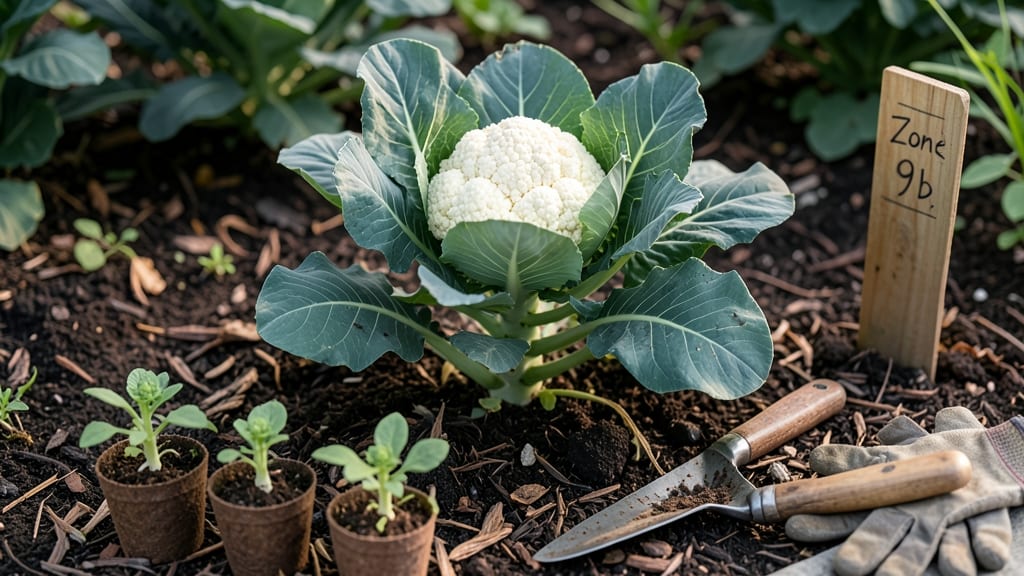
Plant cauliflower in Zone 9b during late summer to early fall 🥬 — the 60-day window between August and September is your best shot at avoiding bolting and bitter heads.
If you’ve ever watched your cauliflower plants bolt into bitter stalks before harvest, you know timing is everything. In Zone 9b’s heat, planting too early means heat stress, while waiting too long risks stunted growth.
The key is to start seeds indoors 6-8 weeks before transplanting, then move them into partial shade once temperatures dip.
This guide breaks down the exact months to plant for two harvest cycles—fall/winter and spring—plus how to adjust for microclimates. We’ll also cover soil prep, watering tricks, and when to use shade cloth to keep your curds firm and sweet.
Ready to grow cauliflower that’s bolting-free and harvest-ready? Let’s dive into the schedule that works for Phoenix, Southern California, and other Zone 9b deserts.
Optimal planting windows for cauliflower in Zone 9b (with heat tolerance limits)
Cauliflower in Zone 9b is a tricky crop because it bolts easily when exposed to temperatures above 80°F. Unlike cooler climates, you have two distinct planting windows—fall/winter and spring—that work best.
The key is planting when daytime highs stay below 75°F and nights dip into the 50s or 60s for consistent growth.
In my experience growing cauliflower in Phoenix and Southern California, the fall/winter window (August through October) yields the most reliable harvests. This period lets plants mature before summer heat returns.
Spring plantings are riskier but possible with shade protection, as I’ll explain later. Let’s break down the exact months and temperature thresholds you should target.
For fall plantings, aim to sow seeds or transplant 6–8 weeks before your first cool snap. In most of Zone 9b, this means late August to early September. The goal is to have mature heads ready by December or January, when temperatures drop further.
I’ve found that Purple of Sicily and Snowball Y Improved varieties handle the heat slightly better than others.
Spring plantings are high-risk but possible if you use shade cloth (30–50%) during peak afternoon heat. Start seeds indoors in January and transplant in February, choosing a location with morning sun and afternoon shade.
Without shade, cauliflower will bolt by April, ruining your harvest. My biggest tip is to monitor soil moisture—dry spells accelerate bolting.
Both planting windows require well-amended soil with compost or aged manure to retain moisture. In Zone 9b’s dry climate, mulch heavily with straw or wood chips to keep roots cool. I’ve seen cauliflower heads double in size when grown in consistently moist, cool soil compared to dry conditions.
One mistake I see often is planting too late in fall, thinking cooler temps will arrive sooner. If you transplant in October, your heads may not mature before spring heat returns. Always check 7-day forecasts and aim for 60–70°F days for the first 4–6 weeks after planting.
Finally, avoid direct sowing in Zone 9b’s heat. Start seeds indoors under grow lights or buy transplants from nurseries that specialize in cool-season crops. This gives seedlings a head start before they face summer’s intensity.
With the right timing, you can enjoy fresh cauliflower year-round in your Zone 9b garden!
🌱
How to adjust planting dates based on your last frost date in Zone 9b
Zone 9b gardeners have a unique advantage—no frost dates to worry about—but heat still dictates your cauliflower planting schedule. Since cauliflower bolts when temperatures exceed 75°F, you’ll need to adjust timing based on your local microclimate, not just the USDA zone.
In Phoenix, for example, summer heat means planting in late August, while coastal areas like San Diego can extend into early September.
Even without frost, soil temperatures matter more than air temps. Aim for 60-70°F soil at planting time—too hot, and your seeds won’t germinate; too cool, and growth stalls.
Use a soil thermometer to check before committing to your schedule. This precision ensures your 60-80 day harvest window aligns perfectly with Zone 9b’s cooler months.
Calculate Your Heat-Free Window
Use a local weather app to track 7-day highs. Plant when evening temps drop below 75°F for 3+ consecutive days. In most of Zone 9b, this lands in mid-August to early September.
Start Seeds Indoors (6-8 Weeks Before Transplant)
Sow seeds in biodegradable pots under grow lights to avoid heat stress. Transplant outdoors when seedlings have 4-6 true leaves and soil temps are ideal (60-70°F).
Adjust for Microclimates
If your garden is shadier or cooler (e.g., near a pool or tree), extend planting into early October. For hotter spots, use shade cloth (30-50%) during peak sun hours (11 AM–3 PM).
Use Row Covers for Early/Late Plantings
For a second fall crop, plant in late September and cover with floating row covers to protect from unseasonal heat spikes. Remove covers when temps drop below 65°F at night.
Monitor Soil Moisture Daily
Zone 9b’s dry air + sandy soils drain fast. Water deeply every 2-3 days to keep soil consistently moist. Mulch with straw (2-3 inches) to retain humidity and cool roots.
For gardeners in high-desert areas (e.g., Tucson), add a 5-7 day buffer to your planting dates—cooler nights and hotter days create a narrower window. Test your soil’s drainage first; cauliflower hates soggy roots. Amend with compost and perlite if your soil compacts easily.
Pro tip: Purple cauliflower varieties (like ‘Graffiti’) tolerate heat slightly better than white types. If you’re pushing the limits in October plantings, choose these for a smaller but sweeter harvest. Pair with leafy greens (kale, spinach) to maximize your fall garden’s productivity.
Remember, Zone 9b’s long growing season means you can experiment! Track your plant’s progress with a gardening journal to refine next year’s schedule. With these adjustments, you’ll avoid bolting and enjoy crisp, sweet cauliflower heads from December through February.