
Plants
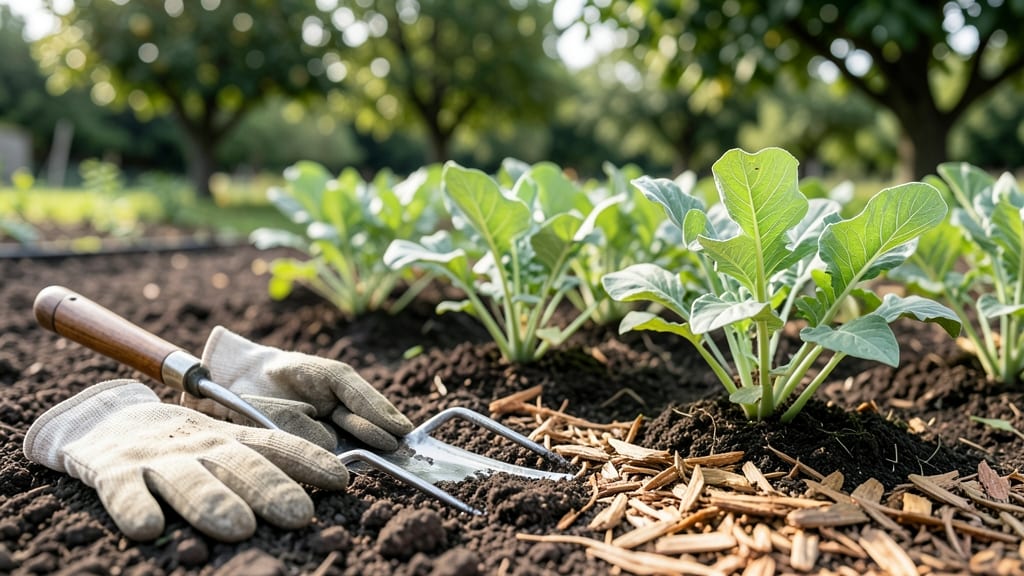
To plant cauliflower successfully, time your seeds 4-6 weeks before the last frost—this cool-season crop bolts in heat, so getting the window right means the difference between a bountiful harvest and wasted effort.
Picture this: you’ve spent weeks nurturing seedlings, only to watch them bolt into bitter flowers because you planted too early. Or worse, you wait too long, and summer’s heat arrives before the heads even form.
Cauliflower 🥬 thrives when nights stay cool, which is why USDA Zone 6a gardeners have a narrow but critical window—March to April—to get seeds in the ground.
But here’s the catch: your exact start date depends on your region’s frost patterns and whether you’re aiming for a spring or fall harvest. In warmer zones, you might even squeeze in a second planting in late summer for an autumn crop.
The key is balancing soil temperatures (ideal between 45°F and 85°F) with your local frost dates.
Below, I’ll break down the exact planting timeline for your zone, plus pro tips to avoid common mistakes—like rushing seedlings or ignoring soil prep—that can turn your cauliflower dreams into a sad, stunted mess.
Best cauliflower planting dates by USDA zone (with frost guidelines)
Cauliflower is a cool-season crop that bolts (goes to seed) when temperatures rise above 75°F (24°C). To avoid bitter, tough heads, timing your plantings around frost dates is critical. Most gardeners aim for spring and fall harvests, but your USDA zone determines the exact window.
In colder zones (3-5), you’ll focus on early spring starts, while warmer zones (8-10) can extend into late fall.
Seedlings need soil temperatures between 45°F and 85°F (7°C-29°C) to germinate, but established plants thrive in 50°F-70°F (10°C-21°C). Planting too early risks frost damage, while late starts may lead to heat stress and bolting.
Below is your zone-by-zone guide, including frost-sensitive varieties like Snowball and heat-tolerant options like Romanesco.
| USDA Zone | Spring Start Date | Fall Start Date | Last Frost Date | Frost Tolerance | Ideal Variety |
|---|---|---|---|---|---|
| 3-4 | Mid-April to early May | Late July to early August | May 15 - June 1 | Hardy (survives 20°F/-7°C) | Snowball Y Improved |
| 5-6 | Late March to April | Late July to mid-August | April 15 - May 10 | Moderate (survives 25°F/-4°C) | Purple of Sicily |
| 7-8 | Early March to mid-April | Mid-August to September | March 1 - April 1 | Sensitive (survives 30°F/-1°C) | Romanesco |
| 9-10 | January to February | September to October | January 15 - February 15 | Very sensitive (survives 35°F/2°C) | Graffiti (ornamental) |
*Use row covers for zones 9-10 to protect from unexpected frost after planting.
For spring planting, aim to transplant seedlings 4-6 weeks before your last frost date. In USDA zones 3-5, this often means starting seeds indoors in February for early May transplants.
In warmer zones (7-10), you can direct-sow seeds 1-2 weeks earlier since soil warms faster. Always check your average last frost date—local microclimates can shift timings by 2-3 weeks!
Fall plantings require more precision. Seedlings should be in the ground 80-100 days before your first frost to mature before cold sets in. In zones 3-6, this means late July to early August starts, while zones 7-10 can extend into September.
Use heat-tolerant varieties like Romanesco for late starts, as they handle warmer soil better than traditional types.
Pro tip: Soil temperature matters more than air temperature. Use a soil thermometer to confirm readings are above 45°F (7°C) before planting. If your soil is too cold, wait 1-2 weeks—cauliflower won’t germinate in chilly conditions.
In zones 9-10, where winters are mild, you can even try a winter harvest by planting in October for a January-February crop.
Don’t forget to harden off seedlings for 7-10 days before transplanting. Move them outdoors gradually to acclimate to sunlight and temperature shifts. This step reduces transplant shock, especially in zones 3-5, where temperature swings are common.
For fall plantings, use row covers to protect young plants from light frosts (28°F/-2°C)—they’ll bounce back if covered!
If you’re in a transition zone (e.g., 6b-7a), split your plantings: start half in spring (March) and half in early fall (August). This succession planting strategy ensures a continuous harvest and reduces bolting risks.
Just avoid planting in summer heat—cauliflower will bolt faster than you can say "pesto recipe" (and we’re not talking cooking here!).
For container gardening, adjust timings slightly. Pots warm up faster than soil, so plant 1-2 weeks earlier in spring and 1 week later in fall. Choose compact varieties
How to adjust planting time for early or late harvests
If your USDA Zone has a short growing season or you want to extend your cauliflower harvest, adjusting planting times is your secret weapon. The key is working with succession planting, row covers, and strategic transplanting to beat heat or cold.
In Zone 6a, for example, I often plant a second batch in late summer for a fall harvest—just 8-10 weeks before the first frost.
For gardeners in warmer climates (Zones 8-10), the challenge is avoiding summer heat entirely. I’ve had success with shade cloth or planting in partial shade during peak heat, then moving seedlings back to full sun as temperatures drop.
Even a 10% shade reduction can prevent bolting and keep your cauliflower happy.
Here’s how to fine-tune your planting schedule for maximum yields, whether you’re pushing for an early spring harvest or a late fall one:
- 1 Succession Plant Every 2-3 Weeks: Stagger plantings in spring and fall to ensure a continuous harvest. In Zone 5, I start my first batch in early April, then add more every 3 weeks until early June.
- 2 Use Row Covers for Early/Late Planting: Extend your season by 3-4 weeks with lightweight row covers. I plant my fall cauliflower in August under a cover, removing it during the day to prevent overheating.
- 3 Transplant Seedlings for Flexibility: Start seeds indoors 6-8 weeks before the last frost, then transplant outdoors when soil temps hit 45°F. This lets you adjust timing based on weather forecasts.
- 4 Choose Heat-Tolerant Varieties: If you’re pushing the season, opt for ‘Snowball Y Improved’ or ‘Purple of Sicily’, which handle 80°F+ temps better than standard varieties.
- 5 Monitor Soil Temps: Use a soil thermometer to ensure temps stay between 45°F and 85°F. If soil overheats, mulch with straw or grass clippings to keep roots cool.
In cooler climates (Zones 3-5), focus on fall planting for a late harvest. I’ve had great luck planting in mid-August and using black plastic mulch to warm the soil—this gives my cauliflower a head start before the first frost.
For mild-winter zones (Zones 7-10), prioritize shade and consistent watering to prevent bolting.
Pro tip: Keep a gardening journal to track your adjustments. Note which strategies worked best in your microclimate—like whether row covers delayed frost damage by 10 days or if succession planting in May gave you a second harvest. Over time, you’ll refine your timing to match your local conditions perfectly.
With these tweaks, you can turn a single planting into a season-long harvest, ensuring you always have fresh cauliflower on hand—no matter the weather. Happy growing! 🥬