
Plants
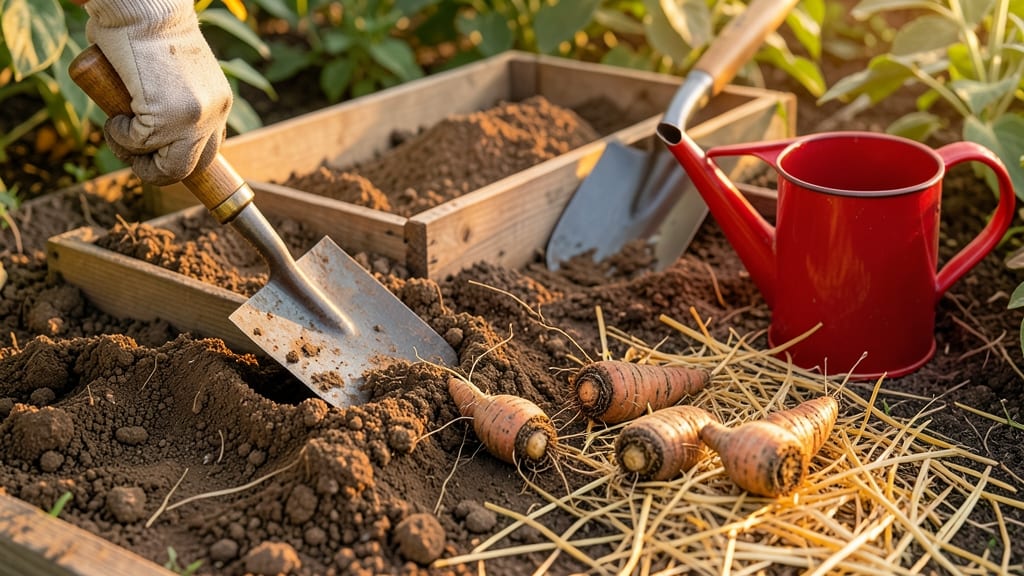
Planting coneflower bulbs at the right time ensures vibrant blooms 🌼 and a thriving garden, but timing is everything.
Timing is everything in gardening—plant coneflower bulbs too early, and frost will kill them; too late, and they’ll struggle to establish roots before winter. Get it right, and you’ll enjoy vibrant blooms for years with minimal effort.
In USDA Zone 6a, the perfect window is late summer to early fall, roughly 4-6 weeks before the first frost—typically between August and September. This gives the bulbs time to root deeply before the ground freezes, setting them up for a strong start in spring.
Below, I’ll walk you through the exact steps for soil prep, spacing, and post-planting care to guarantee perfect results—no guesswork, just beautiful blooms.
Ideal planting windows for coneflower bulbs by US hardiness Zone
Coneflowers (Echinacea) thrive when planted at the right time, but many gardeners confuse their planting windows with true bulbs—they actually grow from rhizomes or tubers. For best results, aim to plant 4-6 weeks before your first frost in fall or early spring after soil warms.
This timing ensures roots establish before winter or summer heat stress sets in.
Your USDA hardiness zone dictates the perfect window. For example, Zone 3 gardeners have a shorter fall window than Zone 10 growers. Regional microclimates—like the Pacific Northwest’s wetter falls or the Midwest’s earlier frosts—also shift ideal dates.
Let’s break it down by zone to avoid common mistakes like frost damage or poor root growth.
In Zones 3-5, where winters are harsh, focus on fall planting—this gives rhizomes time to root before ground freezes. For example, in Zone 4’s Minneapolis, aim for September 15–October 1.
Spring planting is riskier here due to late frosts, but if you must, wait until soil reaches 55°F.
Gardeners in Zones 6-7 (like Chicago or Atlanta) have more flexibility. Plant in fall between September 15–October 15 or spring after last frost (typically April 15–May 15).
The key is avoiding extreme heat or cold—rhizomes despise both. In Zone 7’s St. Louis, I’ve seen success with late October plantings if soil isn’t soggy.
For Zones 8-10, where winters are mild, fall planting extends into November. In Zone 9’s Los Angeles, I plant rhizomes in December for spring blooms. The rule here? Plant when rainfall decreases—soil shouldn’t stay waterlogged.
Spring planting is also viable in Zones 8-10, but prioritize early spring (February–March) to beat summer droughts.
Regional quirks matter! In the Pacific Northwest, cooler, wetter falls delay planting until October. Meanwhile, in the Midwest, earlier frosts push fall planting to late August. Always check your local frost dates—the USDA Plant Hardiness Zone Map is your best friend.
For example, Seattle (Zone 8) can plant until November 15, while Denver (Zone 5) must finish by September 30.
If you miss the fall window, don’t panic! Spring planting works, but it requires extra care. Start rhizomes in pots indoors 6–8 weeks before last frost or plant directly into warm soil (60°F+).
In Zone 6’s Kansas City, I’ve had success with March plantings by using black plastic mulch to warm the soil faster. Just avoid planting too early—cold soil stunts root growth.
Pro tip: Label your planting dates! I use biodegradable plant markers to track when I planted each rhizome. This helps me adjust watering and fertilizing based on growth stages.
For instance, rhizomes planted in fall need less water than those in spring, as winter rains often suffice. Always water deeply after planting to encourage root spread.
Remember, coneflower rhizomes aren’t true bulbs, so they don’t store as much energy. Planting at the wrong time can lead to weak
Signs your soil is ready: 5 key indicators for perfect planting
Before planting your coneflower bulbs, check these 5 key soil indicators to ensure optimal growth. Healthy soil means stronger roots, faster blooming, and fewer pests. Start by testing your garden bed for these essential conditions—it only takes a few minutes and can save you from failed plantings.
First, soil temperature must be between 60°F and 70°F. Use a soil thermometer to check—if it’s cooler, wait a few days. Coneflowers thrive in warm soil, so planting too early can stunt root development. Aim for late summer when temperatures stabilize in your USDA Zone 6a region.
Next, assess moisture levels. Stick your finger 2 inches deep—if the soil feels dry, water thoroughly before planting. Coneflowers prefer well-draining soil, but soggy conditions can rot bulbs. A quick fix? Mix in compost or perlite to improve drainage in heavy clay or sandy soils.
Don’t overlook pH balance—coneflowers prefer 6.0 to 7.0. Test your soil with a simple kit (or use vinegar for acidity or baking soda for alkalinity). If your soil is too acidic, add lime; for alkalinity, mix in sulfur.
A quick fix is to plant bulbs in a raised bed with balanced compost for consistent pH.
For drainage issues, perform a simple test: Dig a hole, fill it with water, and time how long it takes to drain. If it’s slower than 30 minutes, amend the soil with organic matter like leaf mold or coconut coir.
Sandy soil? Add compost to retain moisture; clay soil? Mix in perlite or coarse sand to break up compaction.
Finally, check nutrient levels. Healthy soil should feel rich and dark. If it’s pale or crumbly, add 2–3 inches of compost and till it in gently. Coneflowers are hardy, but nutrient-poor soil will delay blooming. A quick boost? Top-dress with worm castings before planting for instant fertility.
With these 5 indicators checked, your coneflower bulbs will thrive. Plant them 4–6 weeks before frost, and you’ll enjoy vibrant blooms next summer with minimal effort. Happy gardening! 🌼