
Flowers
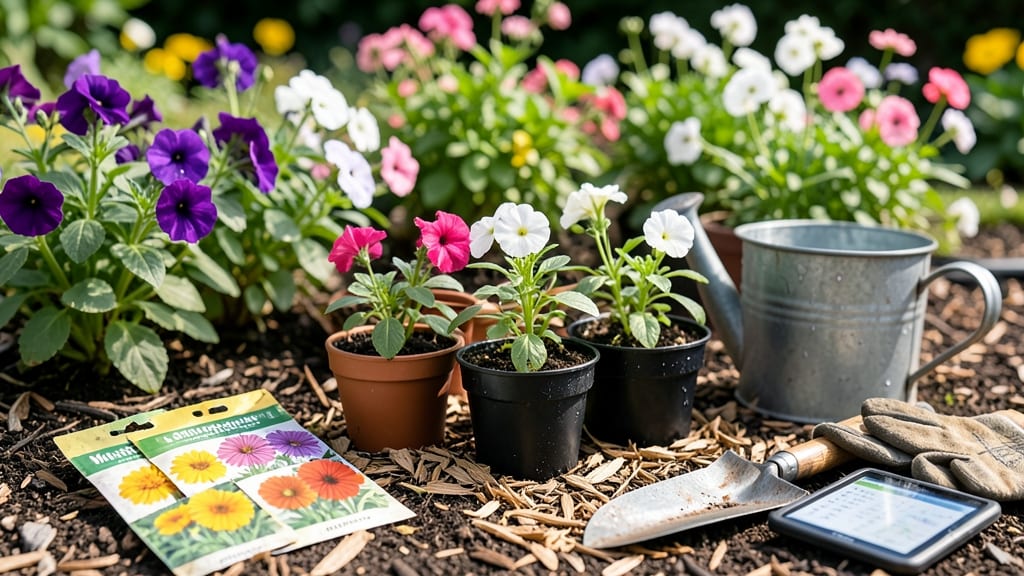
Planting flowers in Arkansas means timing your garden for March 15, when the last frost usually passes in USDA Zone 7a—but even then, a late cold snap can still sneak in.
Arkansas gardeners know timing is everything—plant too early, and frost will wipe out your blooms; too late, and summer heat will stunt growth. But with unpredictable spring swings, when exactly should you sow annuals, perennials, and bulbs for show-stopping color?
The answer depends on what you’re growing: azaleas thrive when planted in late winter, while impatiens need to wait until May when soil warms up. Perennials like daylilies can handle early spring or fall planting, but annuals like marigolds need that frost-free window to take off.
Below, I’ll break down the best months for each type of flower, how to adjust for Arkansas’ microclimates, and 5 pro tips to keep your blooms thriving in humid conditions—so you can enjoy a garden bursting with 🌸 from spring to fall.
Arkansas flower planting calendar by type: annuals, perennials, and bulbs
Arkansas’ Zone 7a climate demands precision when planting flowers—miss the window, and you’ll either lose tender plants to frost or watch them struggle in summer’s 90°F+ heat. The key is understanding soil warmth thresholds and last-frost dates (typically Feb 15–March 15).
For example, azaleas thrive when planted in early March, while impatiens (heat-sensitive annuals) must wait until after May 1 for Arkansas’ southern regions.
Perennials like black-eyed Susans and coneflowers offer flexibility—they can go in early spring (March) or fall (September–October). But bulbs? Spring-blooming tulips and daffodils need fall planting (October–November) to establish roots before winter. Summer bulbs like dahlias wait until after last frost (April–May) when soil reaches 60°F.
🌱 Pro Tip: Use a soil thermometer to check warmth—most annuals need 55–65°F soil temps to germinate. In Arkansas’ Delta region, warmer microclimates may allow earlier planting by 2–3 weeks compared to the Ozarks.
| Flower Type | Best Planting Month | Soil Temp Requirement | Cold-Hardy? | Heat-Tolerant? |
|---|---|---|---|---|
| Annuals (Impatiens, Petunias) | May–June (after frost) | 60–65°F | No | Moderate |
| Perennials (Daylilies, Coneflowers) | March–April or Sept–Oct | 45–55°F | Yes | High |
| Bulbs (Tulips, Daffodils) | Oct–Nov (fall) or April (spring) | 50–60°F | Yes | Moderate |
| Shrubs (Azaleas, Camellias) | March (bare-root) or April (container) | 50–55°F | Yes | Low |
| Summer Bulbs (Dahlias, Cannas) | April–May (after frost) | 60–65°F | No | High |
For annuals, prioritize May–June planting—this ensures they’re established before Arkansas’ summer humidity peaks. Impatiens and marigolds are my go-tos for shade gardens (they tolerate 60% shade), while zinnias and sunflowers crave full sun (6+ hours/day).
Start seeds indoors 6–8 weeks before last frost (by mid-January) for a head start.
Perennials like black-eyed Susans and Russian sage are drought-tolerant once established, making them ideal for Arkansas’ hot, dry summers. Plant them in early spring (March) or fall (September) to avoid transplant shock during peak heat. 🌿 Tip: Amend clay-heavy Arkansas soil with compost or pine fines to improve drainage.
Bulbs are a set-it-and-forget-it win for Arkansas gardeners. Spring bulbs (tulips, hyacinths) need fall planting to naturalize, while summer bulbs (dahlias, lilies) wait until April–May when soil warms. My top pick? Daylilies—they’re perennial
How to adjust planting times for Arkansas’ microclimates (north vs. south vs. Delta regions)
Arkansas’ diverse geography means your Little Rock garden might have a 2-week difference in planting times compared to Fort Smith or Jonesboro. The Ozark Mountains in the north create cooler microclimates, while the Arkansas River Valley’s urban heat island effect warms soil faster.
Even within USDA Zone 7a, these shifts matter—especially for heat-sensitive annuals like impatiens or cold-hardy perennials like black-eyed Susans.
To navigate these variations, I’ve mapped out how to adjust your planting schedule based on three key Arkansas regions. The Delta’s high humidity also demands extra attention—delaying warm-season flowers until soil temperatures hit 65°F prevents root rot.
Below, you’ll see how to sync your calendar with local patterns and use a 2-week buffer for frost-sensitive plants.
| Region | Last Frost Date | Best Time to Plant Cool-Season Flowers | Best Time for Warm-Season Annuals | 2-Week Buffer Tip |
|---|---|---|---|---|
| North (Fayetteville, Rogers) | March 22 | Feb 15–March 15 | May 1–May 15 | Wait until April 1 for marigolds |
| Central (Little Rock, Springdale) | March 15 | Feb 1–March 10 | April 20–May 5 | Use row covers for late April |
| Delta (Jonesboro, Helena) | March 5 | Jan 20–Feb 28 | April 1–April 15 | Plant heat-lovers like zinnias |
Notice how the Delta’s earlier frost-free dates let gardeners start cool-season flowers like pansies as early as January 20, while northern Arkansas gardeners must wait until February 15. This shift isn’t just about frost—it’s about soil temperature.
Use a soil thermometer to confirm warmth before planting warm-season annuals like petunias; they’ll rot if soil stays below 60°F.
For a risk-free buffer, I recommend planting half your warm-season flowers two weeks earlier than your region’s average date. If a late frost hits (like the April 2018 cold snap that damaged Central Arkansas gardens), your backup plants will still thrive.
Pair this with frost cloth for extra protection during unpredictable swings.
Don’t overlook fall planting, either. The Delta’s warmer autumns let you sow cool-season flowers like snapdragons until October 15, while northern Arkansas gardeners should finish by September 30. This extends your bloom season by 2–3 months—perfect for holiday gardens or winter interest.
Pro tip: Check your local Cooperative Extension Service reports weekly. Their frost alerts and heat advisories adjust planting times better than a calendar ever could. With these microclimate tweaks, your Arkansas garden will bloom longer and survive surprises—no matter where you live in the Natural State. 🌸