
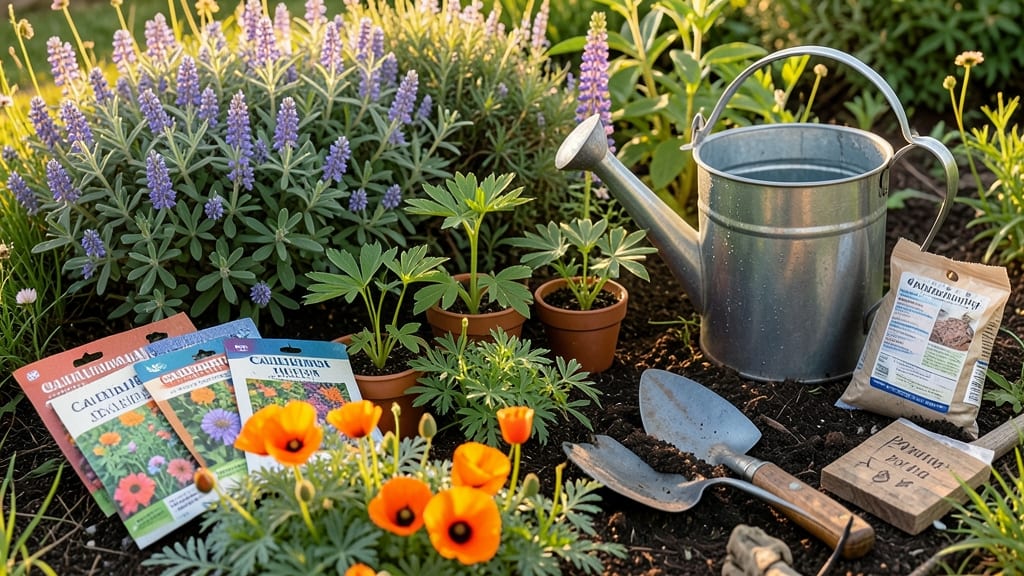
When to Plant Flowers in California: Coastal vs Inland Microclimate Guide

Flowers

When to Plant Flowers in California: Coastal vs Inland Microclimate Guide

Planting flowers in California at the right time ensures your garden thrives year-round, whether you're in foggy coastal zones or scorching inland valleys.

California’s diverse climates—from coastal foggy shores to scorching inland valleys—mean your flower planting timing can make or break your garden’s success. Get the exact months to plant for vibrant blooms year-round, tailored to your microclimate.

If you’ve ever watched your seedlings wilt under the wrong timing, you know how critical this is. The coastal fog keeps soil cooler, while inland heat demands earlier starts for heat-loving blooms like sunflowers and marigolds.

Below, I break down the best planting windows for your region, seasonal adjustments, and pro tips for container vs. in-ground planting to maximize your garden’s potential.

🌱 When to Plant Flowers
Jan ❄️
Feb ❄️
Mar 🌱
Apr 🌱
May 🌱
Jun 🌱
Jul ☀️
Aug ☀️
Sep 🍂
Oct 🍂
Nov 🍂
Dec ❄️
Ideal Time
Also Good

Best flower planting calendar for California coastal regions (foggy & mild)

Living in California’s coastal regions—think San Francisco, Santa Barbara, or Monterey—gives you a unique gardening advantage: mild winters and cool summers. Unlike inland areas, coastal zones rarely experience frost, allowing you to plant flowers year-round with careful timing.

The key is leveraging the longer growing season while avoiding the chilly coastal winds that can stress tender blooms.

For coastal gardeners, spring and fall are your prime planting windows. Spring (March–May) is ideal for annual flowers like snapdragons and petunias, while fall (September–November) lets you sow perennials like dahlias and sweet peas before winter rains arrive.

Container gardening also thrives here, letting you adjust plant positions to shield them from salty ocean breezes.

Here’s your coastal flower planting calendar, broken down by month, with frost-free zones and seasonal bloomers tailored to your microclimate.

Month Best Flowers to Plant Planting Method Notes
January Pansies, Sweet Peas, Calendula Direct sow or transplant Cooler temps; protect from wind
February Snapdragons, Stock, Lettuce Flowers Transplant seedlings Soil warming up; mulch to retain moisture
March Petunias, Marigolds, Zinnias Start seeds indoors or direct sow Peak spring planting; watch for aphids
April Dahlias, Sweet Alyssum, Cosmos Transplant tubers or seeds Soil temps ideal; stake tall varieties
May Sunflowers, Nasturtiums, Lavender Direct sow after last frost Hotter days; water deeply
June Basil Flowers, Geraniums, Portulaca Transplant heat-tolerant varieties Drought stress; mulch heavily
September Sweet Peas, Stock, Calendula Direct sow for spring blooms Cool nights; protect from wind
October Dahlias, Snapdragons, Pansies Transplant or sow seeds Soil stays warm; great for perennials
November Sweet Alyssum, Stock, Winter Jasmine

Inland California planting schedule: hot summers & cold winters

Inland California gardens face intense heat and cold snaps, so timing is everything. Unlike coastal areas, inland zones like Sacramento, Los Angeles, and the desert edges demand heat-tolerant blooms that thrive in dry summers and winter rains.

Planting too early risks wilting, while waiting too long may stunt growth before the first frost. Let’s break down the ideal schedule for sunflowers, marigolds, and bougainvillea to keep your garden flourishing year-round.

Urban areas often experience microclimates—concrete absorbs heat, while rural spots may have cooler nights. Adjust your planting dates based on soil temperature (aim for 60°F+) and rainfall patterns. Inland regions typically see fall/winter rains, making late autumn the perfect time to prep for spring blooms.

For heat-loving annuals, start seeds indoors in February to transplant by March, while perennials like bougainvillea can handle early spring planting once frost risk passes.

1
February-March: Start heat-tolerant seeds (sunflowers, marigolds) indoors. Transplant seedlings after last frost (typically late March).
2
April-May: Plant summer-blooming annuals (bougainvillea, zinnia) once soil reaches 65°F+. Mulch to retain moisture.
3
September-October: Prep for fall/winter rains by planting cool-season blooms (pansies, snapdragons) and dividing perennials.
4
November-January: Protect tender perennials with mulch. Prune dead growth to prep for spring regrowth when temps rise.

For urban gardens, where heat islands can raise temperatures by 10°F+, opt for drought-resistant varieties like lavender or succulents. Water deeply in the early morning to reduce evaporation, and use drip irrigation to target roots directly.

Rural areas with cooler nights can handle larger, thirstier plants like roses or hydrangeas, but still monitor soil moisture—overwatering is a common mistake in inland zones.

Watch for heat stress signs like yellowing leaves or drooping blooms, which signal it’s time to provide shade cloth or increase watering frequency. In desert-edge areas, leverage winter rains to plant spring bulbs like tulips or daffodils in November-December.

These will bloom just as summer heat arrives, offering colorful contrast to the arid landscape.

Pro tip: Use container gardening for flexibility—move pots to shadier spots during peak heat or sunniest areas in winter. This works especially well for herbs like rosemary or petunias, which thrive in well-draining soil and bright light.

With the right timing and adjustments, your inland garden can bloom beautifully despite the extremes.

Remember, microclimates matter. A spot near a building wall may stay warmer longer, while a shady garden nook could delay planting by 2-4 weeks. Always check local frost dates and adjust accordingly—your garden’s success depends on it! 🌻

★★★★★4.7(8 reviews)
Categories Flowers