
Flowers
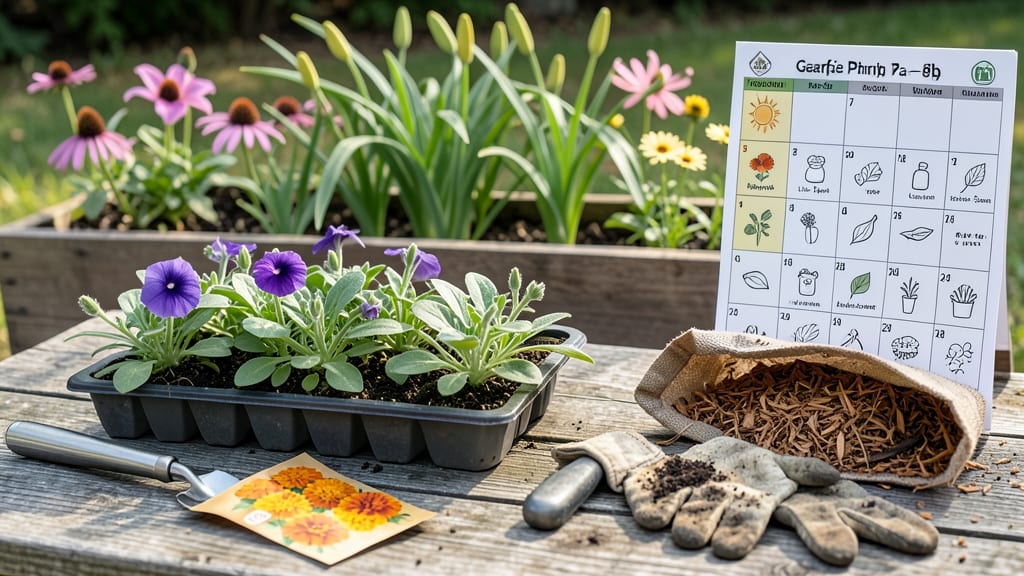
Planting flowers in Georgia at the right time means the difference between a garden that thrives all season and one that wilts before it even begins.
Georgia’s warm climate and long growing season make it a paradise for gardeners—but planting flowers at the wrong time can mean wilting dreams before they bloom. Timing is everything, and missing these heat-zone deadlines could leave your garden struggling in the heat or frost.
In USDA Zones 7b-8b, where last frosts linger into March and summer heat arrives early, knowing when to plant annuals, perennials, and bulbs is the key to a vibrant garden.
Whether you're planting cool-season favorites like pansies in February or heat-loving annuals like lantana after May 10, the right timing ensures your flowers take root and bloom without stress.
Below, I’ll break down the exact planting windows for Georgia’s microclimates, from the Coastal Plain to the Mountains, and share pro tips to extend blooms and avoid common mistakes—so you can enjoy a garden that stays beautiful from spring to fall.
Georgia’s frost-free planting zones: when to start annuals & perennials
Georgia’s USDA hardiness zones 7a-8b create a unique gardening paradise, where long growing seasons and heat-tolerant plants thrive. But knowing exact frost dates separates successful blooms from sad, wilted dreams.
The last frost typically arrives between mid-February (Zone 7a) and early April (Zone 8b), giving gardeners a 120-150 day frost-free window—perfect for bold annuals and perennials.
Annuals like hibiscus and salvia love Georgia’s heat, while pansies and snapdragons prefer cooler spring starts. Perennials such as black-eyed Susans and coreopsis establish roots early, but impatiens and lantana wait until soil warms to 65°F+ after May 10. Missing these deadlines risks frost damage or heat stress.
Key takeaway: Plant cool-season annuals (like pansies) 4-6 weeks before last frost, and heat-lovers (like hibiscus) only after soil temps hit 60°F+. Georgia’s microclimates (Coastal Plain vs. Mountains) shift these dates by 2-3 weeks, so check local UGA Extension forecasts!
| Zone/Region | Last Frost Date | Best Planting Window | Heat-Tolerant Annuals | Cool-Season Annuals |
|---|---|---|---|---|
| Zone 7a (N. GA Mountains) | Feb 15–Mar 1 | Mar 15–Apr 15 | Hibiscus, Salvia, Lantana | Pansies, Snapdragons |
| Zone 7b (Piedmont) | Feb 28–Mar 10 | Mar 20–Apr 10 | Impatiens, Portulaca | Violas, Sweet Alyssum |
| Zone 8a (Central GA) | Mar 15–Apr 1 | Apr 1–May 10 | Zinnias, Marigolds | Calendula, Stock |
| Zone 8b (Coastal Plain) | Apr 1–Apr 15 | Apr 15–May 20 | Petunias, Vinca | Sweet Peas, Dianthus |
In Zone 7a (Northern Georgia), gardeners should start cool-season annuals indoors by February 1 to beat the late-March frost. Meanwhile, Zone 8b (Coastal Plain) can plant heat-lovers as early as April 15, thanks to warmer microclimates.
My top tip: Use row covers for early starts in colder zones to extend the season by 2-3 weeks.
Perennials like daylilies and coneflowers can handle Georgia’s heat once established, but tender perennials (e.g., canna lilies) wait until after May 10. For bulbs, plant tulips and daffodils in October-November for spring blooms—6-8 weeks before frost.
Georgia’s humid summers demand drought-tolerant picks like salvia and coreopsis, which thrive in full sun and
Heat-Zone planting calendar: month-by-month deadlines for zero-frost success
Georgia’s unpredictable late frosts and scorching summer heat demand precise planting timing. If you plant cool-season flowers too late or heat-loving annuals too early, your garden could face frost damage or wilting before blooming. The key is understanding soil temperature thresholds and microclimate variations across the state.
For example, pansies and snapdragons thrive in cool weather but bolt in heat, while lantana and portulaca need warm soil to germinate. Below, I’ve mapped out the exact deadlines for each month, including soil temperature triggers and frost warnings to help you avoid common mistakes.
Plant pansies, snapdragons, and violas for early spring blooms. Soil temps should be 50–60°F. Avoid planting after March 15 in most of Georgia to prevent frost damage.
Transplant calendulas and sweet alyssum after last frost (typically April 1–15). Monitor forecasts for late frosts, especially in the Piedmont region.
Wait until soil hits 65°F+ to plant lantana, portulaca, and sunflowers. Coastal areas can plant earlier, but inland zones should wait until May 15–20.
Sow cosmos and zinnias every 2–3 weeks for continuous blooms. Mulch heavily to retain moisture in Zone 8’s summer heat.
Plant mums and asters for fall color. Soil temps should cool to 60–70°F. Avoid planting after September 30 to ensure roots establish before winter.
Georgia’s Coastal Plain can plant heat-lovers 2–3 weeks earlier than the Mountains, where frosts linger. Always check your local UGA Extension frost dates—my garden in Athens (Zone 8a) lost a batch of impatiens to a March 20 frost last year!
Pro tip: Use a soil thermometer to confirm readiness. For example, marigolds need 70°F+ soil, while petunias prefer 60–65°F. Planting at the right time means fewer pests, stronger roots, and longer-lasting blooms all season.
Miss these deadlines, and you might end up with stunted growth or flowers that fade before summer’s peak. But get it right, and your garden will burst with color from spring pansies to fall mums—without a single wilted petal in sight.