
Flowers
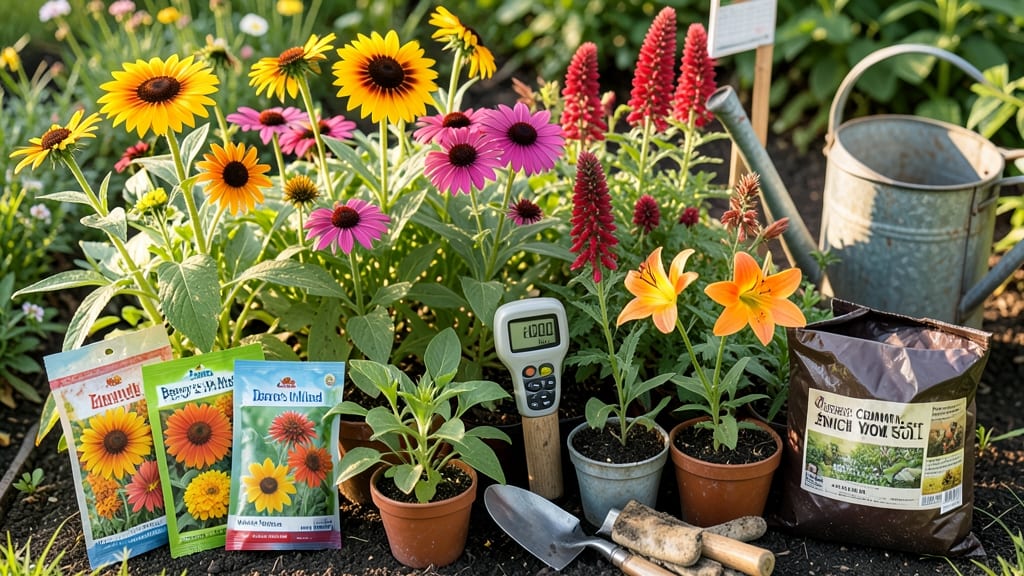
Planting flowers in Illinois at the right time means the difference between a garden bursting with 🌸 color and one that struggles to take hold.
Timing is everything in Illinois gardening—plant too early, and frost will kill your blooms; too late, and summer heat cuts their lifespan short. Mastering this USDA Zone 5B/6A planting calendar ensures vibrant flowers all season long.
With last frosts hitting mid-April and first frosts arriving by mid-October, your planting window is tight but manageable. Annuals like petunias and marigolds need to go in after the frost, while hardy perennials like coneflowers can handle early spring soil.
Below, I’ll break down the exact months for planting annuals, perennials, and bulbs, plus how to adjust for Illinois’ unpredictable weather—so you can enjoy a blooming garden from spring through fall.
Illinois flower planting calendar by month: best times for annuals, perennials, and bulbs
Illinois gardeners know that timing is everything when planting flowers. With USDA Zones 5B/6A, you'll experience late frosts in spring and early chills in fall, making precise planning essential.
This calendar aligns your planting with Illinois' average last frost date (mid-April) and first frost (mid-October) to maximize bloom potential.
For cool-season flowers like pansies and snapdragons, start in early spring (March-April) or late summer (August-September). Heat-loving annuals such as zinnias and marigolds thrive when planted after the last frost (May-June), while fall-blooming varieties like chrysanthemums need 4-6 weeks before frost (August-September).
Let's break it down month-by-month for your garden's success.
| Month | Plant Type | Best Flowers | Planting Tip | Notes |
|---|---|---|---|---|
| February | Bulbs | Tulips, Daffodils | Plant in containers | Force blooms indoors |
| March | Perennials | Coneflowers, Black-Eyed Susans | Start seeds indoors | Use frost cloth |
| April | Annuals & Cool-Season | Pansies, Snapdragons | Wait for soil warmth | Watch for late frost |
| May | Heat-Tolerant Annuals | Zinnias, Marigolds | Direct sow after frost | Full sun required |
| June | Summer Bloomers | Petunias, Salvia | Pinch back for bushiness | Water deeply weekly |
| August | Fall Planting | Chrysanthemums, Asters | Start 6 weeks before frost | Partial shade helps |
| September | Bulbs | Crocus, Hyacinth | Plant for spring blooms | 6+ weeks before frost |
In February, focus on bulb planting like tulips and daffodils. While the ground may still be frozen, you can force indoor blooms by planting in containers and keeping them indoors until spring. This gives you early spring color when outdoor planting isn't possible yet.
March is prime time for perennial planting. Coneflowers and black-eyed Susans thrive when planted in early spring, giving them time to establish roots before summer heat. Start seeds indoors for head starts or purchase young plants from nurseries. Use frost cloth if nights remain chilly.
April brings the last frost window, making it ideal for cool-season annuals like pansies and snapdragons. These flowers tolerate light frost and add vibrant color to early spring gardens. Wait until soil temperatures reach at least 50°F to prevent damage from lingering cold snaps.
Once the last frost date passes (mid-April), shift to heat-loving annuals like zinnias and marigolds. These summer bloomers need full sun and consistent moisture. Plant directly in the ground for best results, as they dislike transplanting. Direct sowing ensures stronger, hardier plants.
June is all about established summer blooms. Petunias and salvia thrive in Illinois' heat when given proper care. Pinch back new growth to encourage bushier plants, and water deeply once weekly to support vibrant blooms. Mulch around plants to retain moisture and regulate soil temperature.
As summer winds down in August, prepare for fall planting. Chrysanthemums and asters add late-season color and can be planted 4-6 weeks before frost. These fall-blooming varieties appreciate partial shade as temperatures drop, helping them thrive through early autumn.
September is perfect for fall bulb planting. Crocus and hyacinth planted now will reward you with early spring blooms. Aim to plant 6+ weeks before first frost
Top 10 flowers that thrive in Illinois gardens (with exact planting months)
Illinois' USDA Zone 5B/6A climate rewards gardeners who time their plantings perfectly—avoiding late frosts in spring and brutal summer heat. These top 10 flowers deliver bold colors and low-maintenance beauty while matching Illinois' growing conditions.
Whether you're a beginner or seasoned gardener, these varieties bloom reliably with the right timing and care.
From drought-tolerant perennials to heat-loving annuals, each flower on this list thrives in Illinois' humid summers and cold winters. I’ve included their exact planting months, sunlight needs, and maintenance tips to help you create a stunning, year-round garden.
Let’s dive into the best blooms for your Illinois landscape!
- 1 Coneflowers (Echinacea) – Plant in early spring (March-April) or fall (September). Full sun, drought-tolerant, and attracts pollinators. Deadhead for prolonged blooms.
- 2 Black-Eyed Susans (Rudbeckia) – Plant March-April or September. Thrives in partial sun to full sun. Cut back in late winter to encourage new growth.
- 3 Daylilies (Hemerocallis) – Plant March-April or September-October. Adaptable to sun/shade; ideal for border gardens. Divide clumps every 3-4 years for healthier blooms.
- 4 Petunias (Annuals) – Plant after last frost (May). Needs full sun and regular watering. Deadhead weekly for continuous blooms until first frost.
- 5 Bee Balm (Monarda) – Plant March-April or September. Loves moist, well-drained soil and partial shade. Prune after flowering to prevent seed spread.
For summer-long color, add marigolds (May-June) and zinnias (April-May)—both thrive in full sun and well-draining soil. Marigolds repel pests naturally, while zinnias bloom nonstop with weekly deadheading. These annuals are perfect for container gardens or border edges.
Don’t overlook fall-blooming varieties like mums (September) and asters (April or September). Mums love cool fall weather and partial sun, while asters attract butterflies and tolerate dry spells. Both extend your garden’s seasonal interest well into autumn.
Pro tip: Mulch around perennials in late spring to retain moisture and suppress weeds. Use 2-3 inches of organic mulch (like shredded bark) and replenish annually. This simple step reduces watering needs by up to 30% during Illinois’ hot summers.
With these 10 top-performing flowers, your Illinois garden will burst with color from spring to frost. Stick to the planting months, provide the right sunlight, and enjoy low-maintenance blooms that even busy gardeners can manage! 🌷