
Flowers
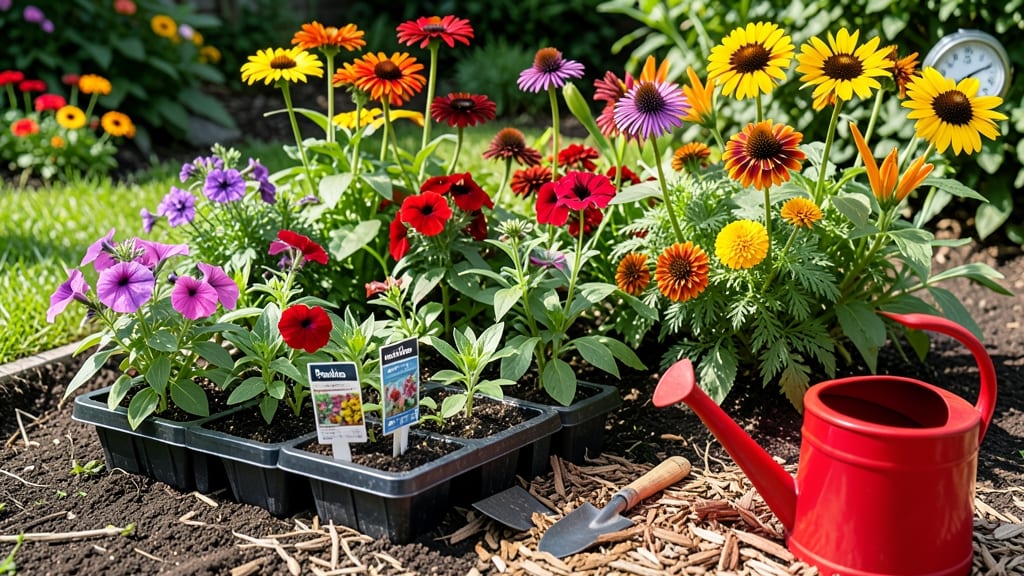
Planting flowers in Kentucky at the right time ensures a year-round burst of color—whether you’re prepping bulbs in fall or sowing summer annuals.
Picture this: your garden bursting with black-eyed Susans by July, only to realize you missed the last frost date and now your seedlings are struggling. Kentucky’s USDA Zones 6b-8 demand precision, and timing is the difference between a thriving garden and a wasted season.
From spring bulbs like daffodils to summer annuals like petunias, each type has its own ideal window. This guide cuts through the guesswork with a month-by-month calendar, soil prep tips, and regional tweaks for Northern vs. Southern Kentucky.
Ready to transform your yard into a blooming oasis? You’ll learn exactly when to plant, what to avoid, and how to keep your flowers flourishing—no more second-guessing, just confident gardening.
Kentucky flower planting calendar by season: best months for annuals, perennials, and bulbs
Kentucky’s USDA Zone 6b climate offers a 180-day growing season, but the key to a thriving garden lies in planting at the right time. Northern Kentucky’s cooler microclimates (like Lexington) may have 2-3 weeks later last frost dates than Southern Kentucky (like Louisville), so adjust timing accordingly.
Understanding these seasonal windows ensures your annuals, perennials, and bulbs establish roots before extreme heat or frost arrives.
For most of Kentucky, the average last frost date falls between April 15-30, while the first frost typically arrives October 15-30. Use these dates as your planting anchors—though hardy perennials and cool-season annuals can handle earlier or later starts.
Below, we break down the best months for each flower type, plus soil prep tips to maximize success.
| Season | Plant Type | Best Planting Months | Soil Temp Requirement | Notes for Kentucky |
|---|---|---|---|---|
| Spring | Spring Bulbs (Tulips, Daffodils) | October–November | 45–55°F | Plant 6 weeks before ground freezes; mulch after planting. |
| Spring | Perennials (Coneflowers, Black-Eyed Susans) | March–April (after last frost) | 50–60°F | Northern KY: Wait until May 1 for safety. |
| Spring | Cool-Season Annuals (Pansies, Snapdragons) | March–April (or September for fall blooms) | 40–50°F | Direct-sow 2 weeks before last frost for earliest flowers. |
| Summer | Heat-Loving Annuals (Marigolds, Zinnias) | May–June (after soil warms) | 60–70°F | Southern KY: Start 2 weeks earlier than Northern areas. |
| Fall | Fall Bulbs (Crocus, Hyacinths) | September–October | 50–60°F | Plant 6 weeks before first frost for spring blooms. |
| Fall | Perennials (Daylilies, Lavender) | August–September | 55–65°F | Establishes roots before winter; avoid late-Sept planting. |
Spring is the busiest season for Kentucky gardeners, but don’t overlook fall planting. Many perennials and bulbs thrive when planted in September or October, giving them time to root before winter.
For example, daylilies and lavender planted in late summer often bloom more vigorously the following year. Always test your soil’s pH (6.0–7.0 ideal) and amend with compost before planting.
Northern Kentucky’s shorter growing season demands extra caution. In areas like Bowling Green or Paducah, delay planting tender annuals (e.g., petunias, impatiens) until May 15 to avoid frost damage.
Use row covers for early spring starts. Meanwhile, Southern Kentucky’s warmer microclimates (e.g., Henderson) allow for 2-week earlier plantings of heat-lovers like marigolds and zinnias.
Watering is critical in Kentucky’s humid summers. Newly planted flowers need 1–1.5 inches of water weekly, but avoid overhead watering during peak sun (10 AM–4 PM) to prevent fungal diseases like powdery mildew.
Use drip irrigation or soaker hoses for deep, consistent moisture. Mulch with 2–3 inches of shredded bark to retain soil moisture and regulate temperature.
Don’t forget about container gardening—ideal for patios or small spaces. Annuals like geraniums and vinca thrive in pots and can be planted 2 weeks after your last frost date.
Choose containers with drainage holes and use a lightweight potting mix to prevent root rot. Move containers to shaded areas during July and August to protect roots from extreme heat.
For bulb lovers, timing is everything. Plant
Top 10 flowers that thrive in Kentucky’s climate (and when to plant them)
Kentucky’s humid summers and mild winters make it ideal for hardy flowers that love warmth but can handle occasional frost. The key? Planting at the right time to sync with your USDA Zone 6b-8 climate.
Whether you’re a beginner or seasoned gardener, these top 10 Kentucky-friendly flowers will give you bold color year-round—if you follow their planting deadlines.
From spring-blooming bulbs to summer annuals, each flower has specific needs. Miss the window, and you’ll end up with stunted growth or failed blooms. Let’s dive into the best flowers for Kentucky, their planting months, and how to prep your soil for maximum success.
- 🌱 Early Spring (March-April): Plant spring bulbs (daffodils, tulips) and cool-season annuals (pansies, snapdragons) after last frost (typically mid-April in most of Kentucky).
- 🌿 Late Spring (May): Sow warm-season annuals (petunias, marigolds) and transplant perennials (coneflowers, black-eyed Susans) once soil reaches 60°F+.
- ☀️ Summer (June-August): Add heat-loving flowers (zinnias, cosmos) and replant spent annuals for continuous blooms. Mulch to retain moisture.
- 🍂 Fall (September-October): Plant fall-blooming bulbs (crocuses, fall daffodils) and cool-season perennials (asters, chrysanthemums) 6-8 weeks before first frost (mid-October).
- ❄️ Winter (November-February): Focus on soil prep—add compost and mulch. Dormant planting of bare-root roses or asparagus (if expanding your garden).
Let’s start with perennials, the workhorses of Kentucky gardens. Coneflowers (Echinacea) and black-eyed Susans (Rudbeckia) are drought-tolerant and thrive in full sun. Plant them in early spring (March-April) or early fall (September) for established roots before winter.
These pollinator magnets will reward you with months of blooms from summer to fall.
For instant color, annuals like petunias and marigolds are my go-to. Sow petunias after the last frost (mid-April) in well-draining soil with morning sun. Marigolds, planted in May-June, repel pests naturally and love 6+ hours of sunlight.
Mix them with basil or tomatoes for a low-maintenance combo that keeps bugs away.
Don’t overlook daylilies (Hemerocallis), Kentucky’s state wildflower. These tough perennials bloom from June to September and handle shade to full sun.
Divide clumps in early spring or fall to keep them vigorous. Soil prep is key—amend heavy clay with compost to improve drainage, as daylilies hate soggy roots.
For early spring interest, daffodils and tulips are non-negotiable. Plant bulbs in October-November, 6 inches deep in well-draining soil. In Kentucky’s humid climate, add a layer of grit to prevent rot.
These frost-hardy bulbs will pop up in March-April, signaling that warmer days are here.
Pro tip: Pair late-summer bloomers like asters and goldenrod with fall mums for a seamless color transition. Plant asters in early spring and mums in September to ensure they’re established before fall frosts. Mulch heavily to protect roots from temperature swings.