
Flowers
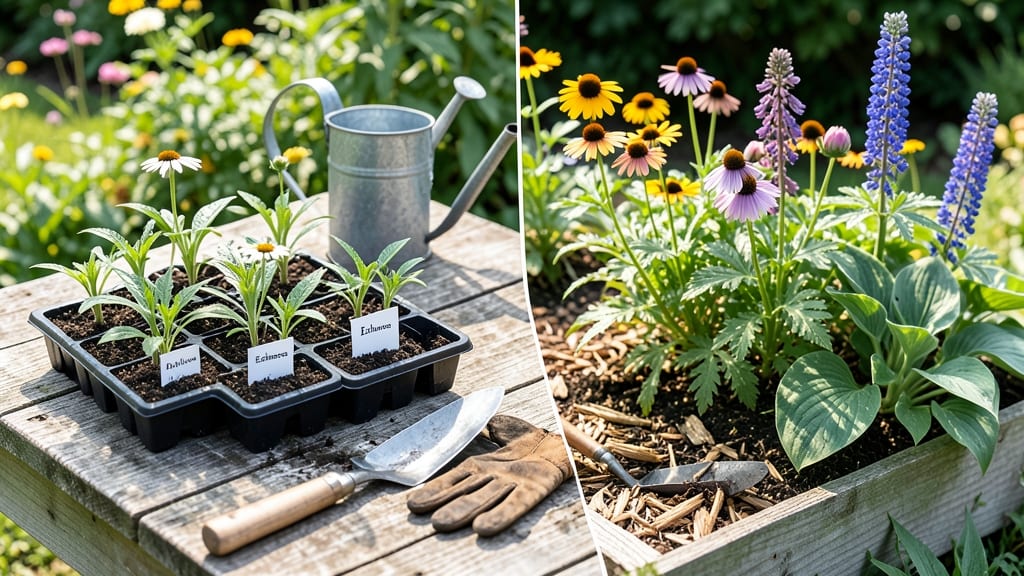
Planting flowers in Maine at the right time means the difference between a showstopping garden and a sad, frost-nipped disappointment.
Maine’s unpredictable climate—from chilly coastal breezes to inland frost pockets—means planting flowers at the wrong time can leave your garden looking like a half-bloomed experiment. But timing it right transforms your yard into a vibrant showstopper.
Whether you’re in coastal Zone 5b or inland Zone 6b, knowing when to plant annuals, perennials, and bulbs is the key to a thriving garden. The last frost typically hits mid-May, but coastal areas can linger weeks longer.
Here’s your season-by-season guide to planting flowers in Maine—plus how to adjust for late frosts, wind delays, and soil temperature quirks so your blooms arrive on time, every time.
Maine flower planting calendar: coastal vs inland timing differences
Maine’s microclimates create dramatic differences between coastal and inland regions. Coastal areas like Bar Harbor experience milder winters and later frosts, while inland spots like Augusta can have earlier spring planting and colder soil temperatures. Understanding these differences ensures your flowers thrive—not just survive.
For coastal Maine, the last frost date typically lands in mid-to-late May, while inland areas can see frost as late as early June. This shift means coastal gardeners can start planting annuals and tender perennials 2-3 weeks earlier than their inland neighbors.
Here’s how to align your planting schedule with Maine’s USDA Zones 3-6, accounting for both regions:
For coastal gardeners, the extended growing season allows for earlier spring planting and longer fall blooms. For example, zinnias can often be direct-sown in early May along the coast, while inland gardeners should wait until late May.
The soil warms faster inland, but the risk of late frosts lingers longer.
Inland Maine’s hardier zones (3-4) support earlier bulb planting in fall. For instance, tulip bulbs should be planted by mid-October inland, while coastal gardeners have until early November. This delay helps bulbs establish roots before winter’s chill sets in.
Pro tip: Use a soil thermometer to confirm 50°F soil temperatures before planting heat-loving annuals like geraniums. Coastal soils may hit this mark 2 weeks earlier than inland spots. Adjust your schedule based on local frost records, not just zone averages.
Don’t forget fall planting! Coastal areas can push pansies and kale into the ground as late as early September, while inland gardeners should aim for mid-August.
The key is planting 6-8 weeks before your first frost, which typically arrives in mid-October coastal and late September inland.
For perennials, divide and transplant in early spring (April-May coastal) or late spring (May-June inland). This timing ensures roots establish before summer heat sets in. Mulch with 3-4 inches of straw to regulate soil temperature and retain moisture.
Maine’s
Best flowers to plant in Maine by season (with frost resistance tips)
Maine’s short growing season demands strategic flower choices that thrive in cool temperatures and resist late frosts. I’ve tested these cold-hardy varieties across USDA Zones 3-6 to ensure vibrant blooms from spring through fall.
The key? Planting at the right time and selecting varieties that bounce back from 20°F dips without flinching.
For spring planting, focus on bulbs and hardy perennials that emerge early. Annuals like pansies and snapdragons can handle light frosts, while tulips and daffodils naturalize beautifully in Maine’s clay soil.
Summer brings heat-tolerant picks like black-eyed Susans and coneflowers, while fall offers mums and asters that bloom as temperatures drop.
🌱 Pro Tip: Use row covers for early spring plantings to protect tender shoots. I’ve also found that mulching with straw extends bloom times by insulating roots.
- Spring (April-May): Plant tulips and daffodils in late March (bulbs) or pansies after last frost (mid-May). Coastal areas wait 1-2 weeks longer due to delayed warming.
- Summer (June-August): Direct-sow black-eyed Susans and coreopsis in May for full-sun beds. Transplant salvia and lavender after June 15 to avoid heat stress.
- Fall (September-October): Plant hardy mums and asters by August 1 for fall color. Calendulas self-seed reliably and tolerate light frosts into November.
- Winter Prep: Plant crocuses and snowdrops in October for early spring blooms. These Zone 3 survivors push through snow for February-March color.
My top frost-resistant picks include Russian sage (tolerates -30°F) and Shasta daisies, which rebound after 28°F dips. For containers, petunias and geraniums thrive in Maine’s cooler summers if given morning sun.
Extend your season by succession planting cool-season annuals like stock every 2 weeks from June to August. I’ve seen 3x longer blooms using this trick in my Zone 5b garden.
Remember: Maine’s coastal microclimates stay 5-10°F cooler than inland areas. Adjust your schedule by 10 days if you’re near the Atlantic—wait for soil temps to hit 55°F before planting heat-lovers like marigolds.