
Flowers
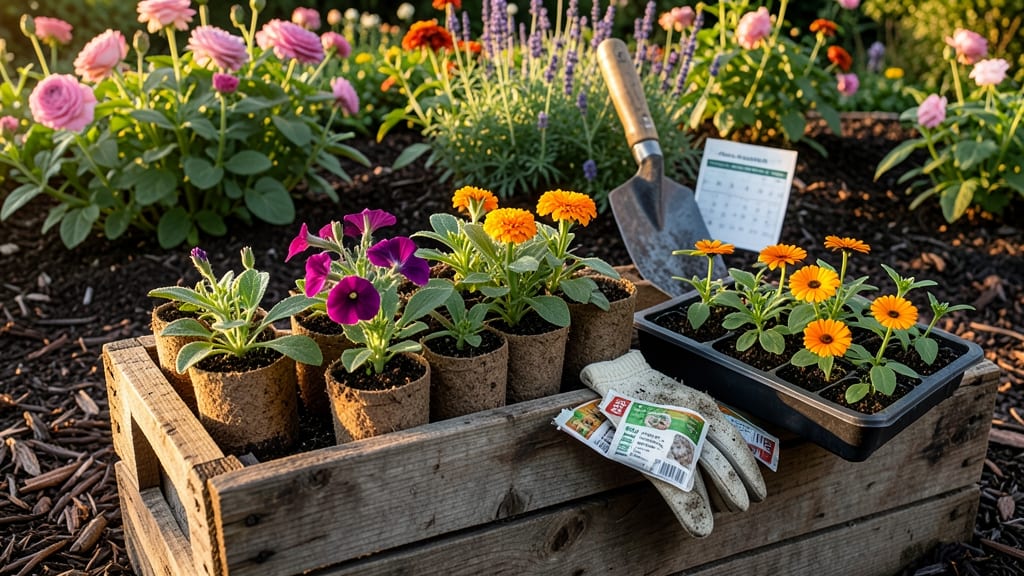
Planting flowers in Massachusetts at the right time ensures they thrive through summer and beyond — and missing the window can leave you with wilted seedlings or late-season blooms.
Timing your flower planting in Massachusetts can mean the difference between a vibrant garden and a season of disappointment. With hardiness zones 5b-7a and frost dates that shift from coastal to inland, knowing when to plant is everything.
From March bulbs to August perennials, each variety has its own ideal window. Annuals like petunias and marigolds wait for soil to warm, while cool-season flowers like pansies can handle early spring chill.
Below, I’ll break down the best planting months for your zone, the top varieties that perform best in MA, and pro tips to stretch your bloom season from spring to fall.
Massachusetts frost dates by zone: when to plant annuals & perennials
Massachusetts spans USDA hardiness zones 5a-6b, meaning frost dates vary dramatically across regions. In western MA (zones 5a-5b), the last spring frost typically arrives around May 10-15, while eastern MA (zones 6a-6b) sees frost-free conditions by April 20-30.
These differences create 3-4 week planting windows between zones—critical for timing heat-sensitive annuals like marigolds or petunias.
Understanding your first frost dates is equally important. Coastal areas like Cape Cod (zone 6b) may hold off frost until October 25, while inland Pioneer Valley (zone 5b) often sees frost by October 5.
This 4-week difference affects when to sow cool-season crops like pansies or calendulas for fall color.
Here’s your zone-specific planting guide for Massachusetts flowers, broken down by cool-season vs. warm-season varieties to maximize bloom time:
For cool-season flowers (e.g., pansies, snapdragons, calendulas), I recommend sowing seeds 4-6 weeks before your last frost date. These hardy annuals thrive in 50-60°F soil and can even handle light frosts. In zone 5a, start seeds indoors by March 1 for early blooms.
Warm-season flowers like petunias, marigolds, and cosmos need soil temperatures above 60°F. Wait until after your last frost date—or use row covers to protect tender seedlings.
In zone 6b, you can plant these as early as April 20, while zone 5a gardeners should wait until May 20.
Perennials like daylilies and bee balm can be planted anytime soil isn’t frozen, but spring planting gives them the full growing season to establish roots. For bulbs like tulips, plant in fall (October-November)—they need cold stratification to bloom the following spring.
Pro tip: Use frost cloth or row covers to extend your planting window by 2-3 weeks in spring or fall. This is especially useful in zone 5a, where the growing season is shorter. Even a lightweight cover can protect tender annuals from unexpected late frosts.
Remember, microclimates matter. A south-facing slope warms up faster than a north-facing yard, potentially shaving 1-2 weeks off your frost dates. Test your soil temperature with a
Best flower varieties for Massachusetts planting times
Massachusetts gardeners know timing is everything—especially when planting flowers that thrive in our USDA zones 5b-6b. Whether you're planting spring bulbs or summer annuals, knowing the right window ensures vibrant blooms all season long.
I’ve curated a list of top-performing flowers that align with MA’s last frost dates (April 15) and first frost dates (October 15), so you can plan with confidence.
From hardy perennials that return year after year to showy annuals that brighten up beds, each variety is chosen for its adaptability to MA’s climate. Whether you’re a beginner or a seasoned gardener, these picks will help you create a stunning garden that blooms on schedule.
Let’s dive into the best flowers to plant by month, so you can enjoy a garden that’s as reliable as it is beautiful.
Don’t overlook native flowers like New England Aster or Wild Bergamot, which thrive in MA’s conditions and support local pollinators. These varieties are tough, adaptable, and perfect for gardeners who want minimal fuss with maximum impact.
Pair them with your seasonal favorites for a garden that’s both stunning and sustainable.
Pro tip: Use mulch after planting to retain moisture and regulate soil temperature, especially in MA’s unpredictable spring and fall weather. This simple step can make all the difference in helping your flowers establish strong roots before the first frost hits.
With this planting guide, you’ll be well on your way to a garden that blooms beautifully from spring through fall—no matter where in Massachusetts you’re gardening. Happy planting! 🌸