
Flowers
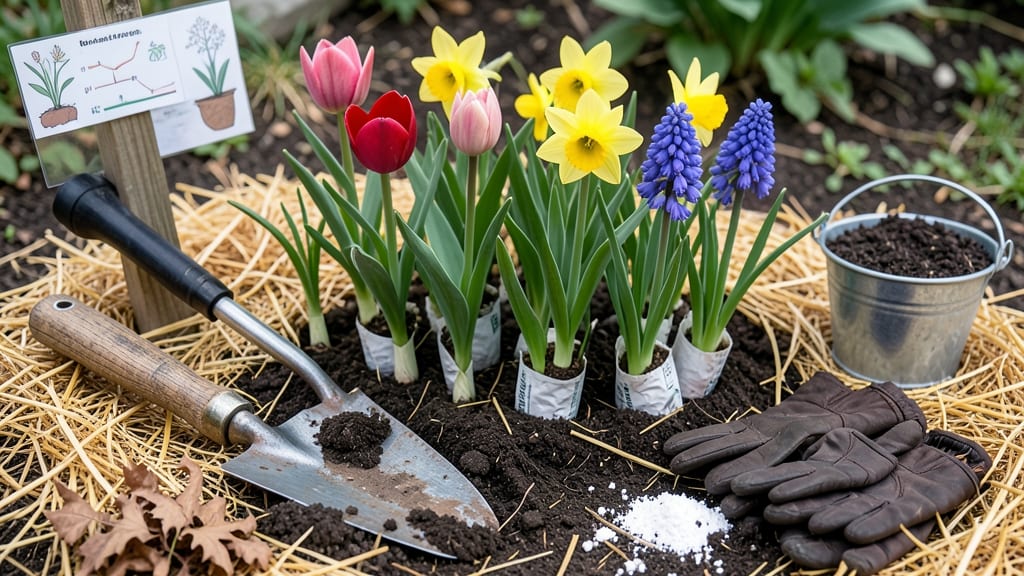
Planting flowers in New Hampshire after your last frost date—typically around May 10—sets you up for a showstopping garden season.
New Hampshire’s unpredictable spring weather can leave gardeners guessing about the perfect time to plant flowers—getting it wrong risks frost damage or stunted growth. But with the right timing, you can enjoy vibrant blooms all season long.
Most annuals and perennials thrive when planted between April 15 and May 15, once the soil warms and the danger of frost has passed. For fall bloomers, like chrysanthemums or asters, September is your window.
Below, I’ll break down the best planting times by USDA Zone 5a-6b, share hardy varieties that thrive in NH’s climate, and reveal pro tips to extend your blooming season.
New Hampshire last-frost dates by Zone: when to plant flowers safely
New Hampshire’s last-frost dates vary dramatically across its USDA Zones 3b-5b, making timing everything for successful flower planting. In Zone 3b (northern mountains), frost lingers until May 20-25, while Zone 5b (southern valleys) typically warms up by May 5-10.
These differences mean your Concord garden might be ready weeks before your White Mountain plot!
To avoid frost damage, I follow two simple rules: the 10-day rule for warm-season flowers (like marigolds or zinnias) and the 30-day rule for cool-season varieties (such as pansies or snapdragons).
Plant warm-season flowers 10 days after your average last frost, while cool-season flowers can handle 30 days of chilly nights—just cover them if temps drop below 28°F.
Here’s how your NH planting zone affects your schedule:
| Zone | Avg. Last Frost | Warm-Season Planting Window | Cool-Season Planting Window | Microclimate Notes |
|---|---|---|---|---|
| 3b (Northern Mountains) | May 20-25 | June 1-5 (10 days after) | April 15-May 1 (30 days before) | Valleys frost later; slopes warm faster. |
| 4a (North-Central) | May 10-15 | May 20-25 | March 30-April 15 | Low areas stay cold longer; hills warm sooner. |
| 4b (Central) | May 5-10 | May 15-20 | March 15-April 1 | Urban areas heat up faster; rural stays cooler. |
| 5a (Southern) | May 1-5 | May 10-15 | March 1-April 15 | Valleys like the Merrimack frost later. |
| 5b (Southwest) | April 25-May 1 | May 5-10 | February 28-March 15 | South-facing slopes warm earliest. |
For mountain gardeners, like those in Littleton or Franconia, add 7-10 days to frost dates—high elevations delay warmth. Meanwhile, valley dwellers in Nashua or Portsmouth can plant 1-2 weeks earlier thanks to urban heat islands and southern exposures.
Use the NH State Climate Office’s frost data to fine-tune your schedule. For example, if your last frost was May 12 last year but May 3 this year, adjust your warm-season planting to May 22 instead of May 17.
Always check 7-day forecasts before planting heat-loving flowers like petunias or geraniums.
Pro tip: Start cool-season flowers indoors 6-8 weeks before your zone’s last frost. This gives pansies or violas a head start and lets you enjoy early spring color even if frost lingers. For warm-season flowers, wait until soil temps hit 60°F—use a soil thermometer to check!
Don’t forget about fall planting! Many annuals and perennials thrive when sown in late summer (August-September). For example, cosmos and calendulas self-seed beautifully if planted by September 1. Just aim for flowers to mature 4-6 weeks before
Best hardy flower varieties for New Hampshire’s climate
New Hampshire’s short growing season and cool summers demand flowers that are tough, reliable, and adaptable. The right varieties will reward you with bold blooms from spring through fall, even when temperatures dip.
I’ve handpicked annuals, perennials, and bulbs that thrive in USDA Zones 3b-5b, withstanding everything from late frosts to early snowflakes.
For spring color, focus on bulbs like tulips and daffodils, which naturalize beautifully and return year after year. Summer gardens shine with Black-eyed Susans and Coneflowers, both drought-resistant and pollinator magnets. Fall brings Siberian Irises and Chrysanthemums, adding late-season drama before winter’s chill sets in.
- 1. Spring Bloomers: Plant tulips and daffodils in fall (October-November) for early spring color. Bleeding heart thrives in partial shade and blooms May-June.
- 2. Summer Stars: Black-eyed Susans and Coneflowers love full sun and drought-tolerant once established. Plant after last frost (May 10).
- 3. Fall Favorites: Siberian Irises and Japanese Anemones bloom late summer-fall. Divide clumps every 3-4 years for vigor.
- 4. Perennial Workhorses: Daylilies and Peonies are low-maintenance, frost-hardy, and multiply over time. Plant in spring or fall.
- 5. Annuals for Impact: Marigolds and Zinnias thrive in NH’s heat and repel pests. Start seeds indoors (March-April) or transplant after frost.
My top recommendation for beginners? Start with Coneflowers and Siberian Irises—they’re nearly indestructible, attract butterflies, and come back stronger each year. For instant color, mix in annuals like marigolds or pansies, which bloom nonstop from spring until frost.
Don’t overlook native wildflowers like New England Aster or Purple Coneflower. These varieties support local ecosystems and require minimal care, making them perfect for low-maintenance gardens. Plus, they’re drought-resistant once established, a huge plus during NH’s dry spells.
For container gardening, opt for compact varieties like dwarf daisies or petunias. These thrive in pots and can be moved to protect from late frosts. Just ensure containers have drainage holes and use well-draining soil to prevent root rot.
Pro tip: Group flowers by bloom time to create a continuous color show. Pair early tulips with mid-season daylilies and late asters for a garden that stays vibrant from May through October. With these hardy picks, you’ll enjoy stunning blooms with minimal fuss—even in NH’s unpredictable climate! 🌼