
Flowers
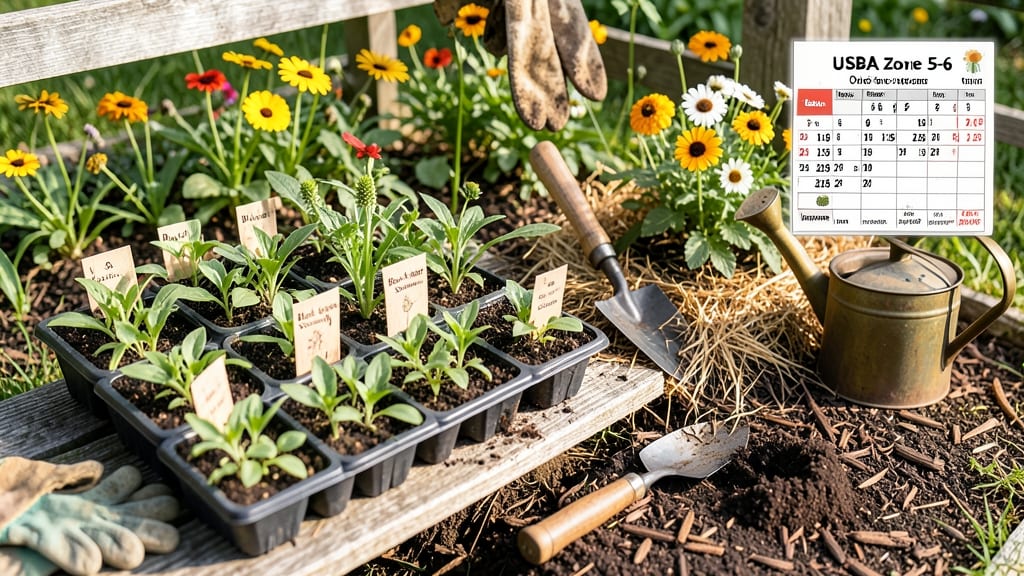
To plant flowers in Ohio at the perfect time means timing your garden to avoid frost while maximizing summer blooms—spring’s last frost usually hits around April 15, but your yard might have its own quirks.
Ohio’s unpredictable spring weather can make flower planting a guessing game—plant too early, and frost ruins your blooms; too late, and you miss peak summer color. But with the right timing based on USDA Zones 5b-6a, you can transform your garden into a vibrant showcase year after year.
Annuals like marigolds and zinnias need to go in after the soil warms to 60°F, while hardy perennials such as coneflowers and black-eyed Susans can handle cooler temperatures.
Bulbs, on the other hand, have their own deadlines: plant them in fall for spring blooms, or wait until early spring for tender varieties.
Below, I break down the exact planting windows for Ohio’s most popular flowers, including heat maps for frost risk zones and adjustments for urban vs. rural microclimates. You’ll learn how to stretch your season, pick the right flowers for your yard, and keep your garden blooming from spring to fall.
Ohio flower planting timeline by USDA Zone 5b-6a (with frost risk heat maps)
Ohio’s USDA Zones 5b-6a create a unique gardening challenge—balancing late spring frosts with summer heat waves. The average last frost date hovers around April 15, but northern regions like Toledo may face frost until May 1, while southern areas like Cincinnati can plant earlier.
Understanding these microclimate differences is key to avoiding frost damage or missed blooming seasons.
To simplify planning, I’ve mapped Ohio’s frost risk zones using heat maps that show where hardy annuals (like cosmos) can survive light frosts versus where tender perennials (like dahlias) need row covers.
These maps help adjust planting times by 1-2 weeks depending on your location. For example, Lake Erie’s cooler nights delay planting by 7-10 days compared to urban heat islands like Columbus.
Pro Tip: Use biodegradable plant pots for late-spring transplants to avoid root disturbance when soil warms. Pair this with mulching (straw or shredded leaves) to maintain consistent soil temps—critical for bulb blooms like tulips that need 60°F soil to thrive.
| Month | Plant Type | Action | Notes | Heat Map Zone |
|---|---|---|---|---|
| February | Bulbs (Daffodils, Tulips) | Plant | Chill-resistant; cover with mulch for frost protection. | All zones (Zone 5b: 2 weeks earlier) |
| March | Perennials (Coneflowers, Black-Eyed Susans) | Divide/Transplant | Soil should be 45°F+; avoid wet soil. | Zone 6a (1 week earlier) |
| April (after last frost) | Annuals (Marigolds, Petunias) | Direct Sow/Transplant | Use row covers if frost risk remains. | Zone 5b (May 1) |
| May-June | Heat-Tolerant Annuals (Zinnias, Sunflowers) | Sow | Direct sow after soil reaches 60°F. | All zones (peak heat zone) |
| July-August | Fall-Blooming Bulbs (Crocus, Hyacinth) | Plant | Plant 6-8 weeks before first frost. | Zone 6a (earlier) |
| September | Cool-Season Annuals (Pansies, Snapdragons) | Transplant | Thrives in 50-65°F soil. | All zones (frost-free areas) |
For Zone 5b gardeners, focus on early-spring bulbs like crocus and hyacinth, which bloom before late-May frosts. In Zone 6a, extend your season with heat-tolerant annuals such as lantana or portulaca, which handle 90°F+ temps without wilting.
These varieties are perfect for south-facing beds where heat accumulates faster.
Adjust your schedule if you’re in a microclimate hotspot, like near asphalt surfaces (urban areas) or lake-effect zones (Toledo). Urban gardens can plant 2 weeks earlier due to heat retention, while rural areas may need to wait until May 10 for tender annuals.
Always monitor local frost forecasts—tools like the Old Farmer’s Almanac provide hyperlocal alerts.
To maximize blooms, pair early bloomers (like tulips) with late-season perennials (e.g., asters) to create a continuous color show. For example, plant tulips in October for April blooms, then follow with zinnias in May for summer-long color.
This layered approach ensures your garden stays vibrant from spring to fall.
For container gardening, use self-watering pots to prevent drought stress during Ohio’s summer heat waves. Place containers in partial shade during peak afternoon sun (1-4 PM) to protect heat-sensitive flowers like impatiens. Mulch containers with coco coir to retain moisture and cool roots.
Remember: Frost dates shift yearly. If you’re unsure, use the "finger test"—press your finger into the soil; if it feels crumbly and warm, it’s safe to plant. For extra insurance, invest in a
How to adjust planting times for Ohio’s microclimates (north vs. south, urban vs. rural)
Ohio’s diverse landscapes create microclimates that can shift planting windows by weeks. For example, Lake Erie’s lake-effect zones stay cooler longer, while urban heat islands like Columbus warm up faster.
Rural areas often experience colder nights than cities, delaying spring planting. Understanding these differences helps you time plantings for maximum success.
In northern Ohio, where USDA Zone 5b dominates, frost lingers until mid-May in many areas. Meanwhile, southern Ohio’s Zone 6a regions can safely plant heat-loving flowers like zinnias and marigolds by mid-April.
Urban gardens, especially in concrete-heavy areas, can be 5-10°F warmer than rural spots, creating a false spring that might fool you into planting too early.
| Microclimate Type | Key Characteristics | Adjust Planting Time | Best Flowers to Plant |
|---|---|---|---|
| Northern Ohio (Zone 5b) | Cooler nights, later last frost (May 15), lake-effect delays | Wait until May 1-15 for tender annuals; start cold-hardy perennials in April | Coneflowers, Black-eyed Susans, Pansies |
| Southern Ohio (Zone 6a) | Warmer soil, earlier last frost (April 15), longer growing season | Plant heat-lovers by mid-April; extend fall planting to October 1 | Zinnias, Marigolds, Dahlias, Sunflowers |
| Urban Heat Islands (Columbus/Cleveland) | 5-10°F warmer, earlier soil warming, concrete absorbs heat | Start 2 weeks earlier than rural areas; monitor soil temps | Petunias, Geraniums, Snapdragons |
| Lake Erie Zones (Toledo, Sandusky) | Cooler summers, delayed spring, lake breezes | Wait until May 10 for tender plants; use row covers for extra protection | Lavender, Coreopsis, Shasta Daisies |
| Rural Areas (Cold Nights) | Faster cooling at night, less heat retention | Plant 2 weeks later than urban areas; use mulch to insulate roots | Russian Sage, Catmint, Yarrow |
For container gardening, you can extend seasons by moving pots closer to south-facing walls or using heat-retaining fabrics. In urban areas, black plastic mulch warms soil faster, while rural gardeners benefit from straw mulch to protect against nighttime chills.
Always test soil temperature—60°F+ is ideal for most flowers before planting.
Cold-hardy flowers like pansies and snapdragons can handle Ohio’s early springs, while heat-sensitive varieties like cosmos and sunflowers need warmer soil. Use frost blankets for late spring plantings in northern zones, and prioritize drought-tolerant flowers in urban areas where watering may be inconsistent.
Monitor local weather forecasts and use garden journals to track when your specific microclimate is ready. With these adjustments, you’ll avoid frost damage and maximize bloom times across Ohio’s diverse growing conditions. 🌱