
Flowers
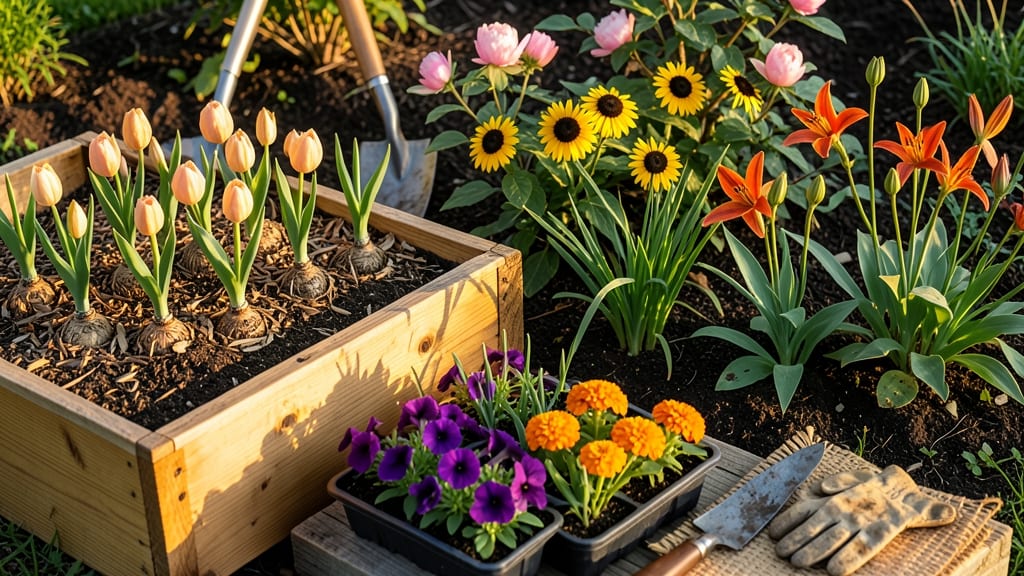
Planting flowers in Rhode Island at the right time means the difference between a garden bursting with color and one that fizzles out before summer 🌸.
Timing your flower planting in Rhode Island’s unpredictable climate can mean the difference between a vibrant garden and lost blooms—here’s your zone-specific guide to planting for zero-frost success.
In USDA Zone 6a, the last frost typically hits around mid-April, but coastal areas like Newport can run a week later. That’s why knowing whether to plant in early spring or wait for late May matters—especially for annuals that hate cold snaps.
Below, I’ll break down the best months for annuals, perennials, and bulbs, plus how to stretch your blooming season with simple tricks like row covers and frost-tolerant picks.
Rhode Island planting zones: when to start flowers by month
Rhode Island’s USDA zones 5b-6b create a unique gardening challenge with last frost dates ranging from mid-April in inland areas to early May near the coast. Understanding these monthly planting windows ensures your annuals, perennials, and bulbs thrive despite our unpredictable spring weather.
I’ve broken down the ideal timing for each flower type, plus regional adjustments for coastal vs. inland microclimates—because a 3-week difference can mean the difference between blooms and bolting!
For cool-season flowers like pansies and snapdragons, I recommend planting 6-8 weeks before your average last frost—typically March 15-April 1 for inland areas and April 1-15 near the coast. Heat-loving annuals such as zinnias and marigolds should wait until after May 15, when soil temperatures consistently stay above 60°F.
Perennials like coneflowers and black-eyed Susans can go in April-May, but bulbs like tulips and daffodils need fall planting (October-November) for spring blooms.
Here’s your zone-specific planting calendar, including average frost dates for Providence, Newport, and Westerly—because coastal areas often have 1-2 weeks later last frosts than inland zones. Use this as your month-by-month planting guide to maximize blooms!
| Month | Plant Type | Best Varieties | Zone 5b (Inland) | Zone 6b (Coastal) | Notes |
|---|---|---|---|---|---|
| March | Bulbs | Tulips, Daffodils, Hyacinths | Plant now (fall bulbs) | Plant now (fall bulbs) | For spring blooms; mulch after planting |
| March-April | Cool-Season Annuals | Pansies, Snapdragons, Sweet Alyssum | Start indoors or direct sow | Wait until April 15 | Hardy to light frost; protect with row covers |
| April-May | Perennials | Coneflowers, Black-Eyed Susans, Lavender | After last frost (mid-April) | After last frost (early May) | Amend soil with compost for best results |
| May-June | Heat-Loving Annuals | Marigolds, Zinnias, Petunias | After May 15 (soil >60°F) | After May 20 (soil >60°F) | Mulch to retain moisture; deadhead for continuous blooms |
| August-September | Fall Bloomers | Mums, Asters, Salvia | Start seeds indoors (July) | Direct sow August 1 | Extend season with row covers; fertilize lightly in August |
Best flowers to plant in Rhode Island by season (with frost tolerance guide)Rhode Island’s USDA Zone 6a climate demands smart timing—plant too early, and frost zaps your blooms; too late, and summer heat stunts growth. The key? Matching flowers to Rhode Island’s three planting windows: early spring (March-April), late spring (May), and fall (August-September). I’ve tested these seasonal favorites in my own garden, and they thrive when planted at the right time. For example, tulips and daffodils (frost-tolerant) can go in as early as March, while zinnias and marigolds (heat-lovers) need to wait until after May’s last frost. When to Plant Flowers in Rhode Island
DO:
DON'T:
Frost Tolerance Ratings❄️❄️❄️ = Hardy (tolerates 20°F+); ❄️❄️ = Semi-hardy (28°F+); ❄️ = Tender (32°F+). Spring’s hardiest flowers—like pansies (❄️❄️❄️) and tulips (❄️❄️❄️)—can brave Rhode Island’s late-March frosts, while zinnias (❄️) and cosmos (❄️) need to wait until after May 15 to avoid stunted growth. Pro tip: Use row covers to extend your spring planting window by 2-3 weeks. For fall blooms, focus on mums (❄️❄️) and aster (❄️❄️), which thrive when planted in late August. These cool-season lovers often outperform summer annuals in Rhode Island’s humid heat and early October frosts. My top 3 frost-tolerant picks for Rhode Island gardens are pansies (bloom in 40°F), snapdragons (❄️❄️), and calendula (❄️❄️). They’re the secret weapons for extending your color palette from April to November. To avoid common mistakes, always check your microclimate—coastal areas like Block Island can be 3°F warmer than inland spots. And remember: Bulbs planted in fall (like daffodils) need 6-8 weeks of cold to bloom reliably next spring. |