
Flowers
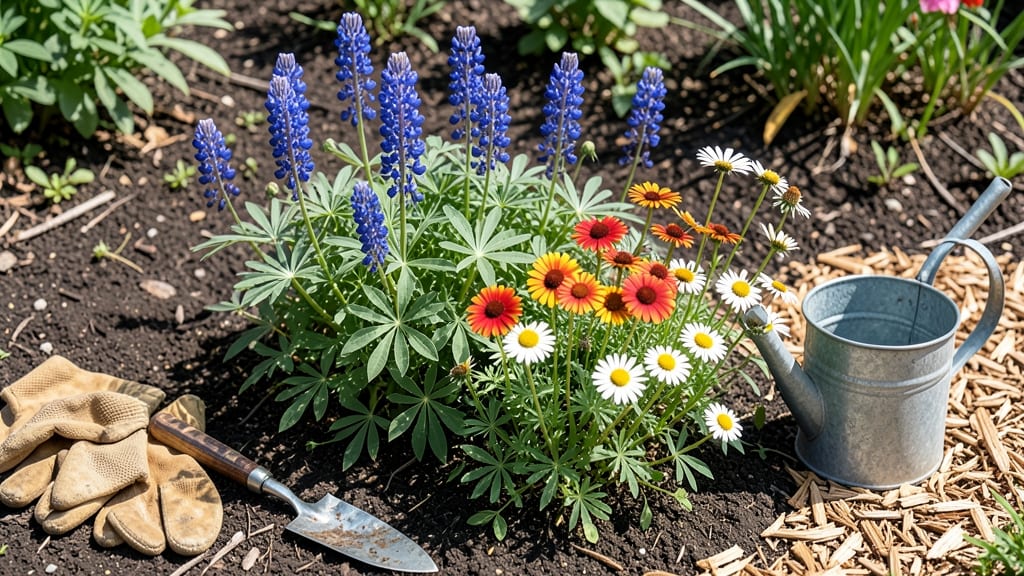
Planting flowers in Texas at the right time means the difference between a garden that thrives and one that wilts before it even starts 🌸.
Texas gardeners know timing is everything—plant too early and frost zaps your blooms, too late and scorching heat stunts growth. But with the Lone Star State’s unique heat zones, you can finally master the perfect planting schedule for vibrant, year-round flowers.
From North Texas’s chilly winters to the South’s balmy springs, each region has its own ideal window. Cool-season blooms like pansies and snapdragons need to hit the soil 6-8 weeks before your last frost, while heat-lovers like lantana and salvia wait until after March 15 in most areas.
Below, I break down the exact months for your zone, the top flowers that beat the heat, and the three mistakes that kill Texas gardens before they even begin.
Texas heat-zone map: best flower planting months by region
Texas isn’t one-size-fits-all when it comes to gardening. The state spans USDA zones 7a-10b, creating dramatic differences in frost dates and summer heat intensity.
From the chilly High Plains (Zone 7a) to the steamy Rio Grande Valley (Zone 10a), your planting schedule should align with your specific heat zone (A-F) to avoid frost damage or wilting under 110°F+ temps.
I’ve broken down the optimal planting windows for annuals, perennials, and bulbs across Texas’s six heat zones, using Texas A&M AgriLife data and local gardener insights.
Whether you’re in North Texas (Zone A) or South Texas (Zone F), these timelines will help you beat the heat and frost for a year-round bloom.
Pro Tip: Always check your last frost date (varies yearly) and adjust by 4-6 weeks for cool-season flowers. For warm-season plants, wait until soil temps hit 60°F+—a soil thermometer is your best friend here!
In Zone A (High Plains), where winters can drop to 10°F, I recommend planting cool-season annuals like pansies in September for fall blooms and spring bulbs (tulips, daffodils) in November. Wait until April for heat-lovers like lantana and blackfoot daisy—they’ll wilt if planted too early.
For Zone F (Rio Grande Valley), frost is rare, so you can plant warm-season flowers year-round. My trick? Start marigolds and zinnias in September for fall/winter blooms, then switch to sunflowers and salvia in March for summer color.
Just mulch heavily to retain moisture during 100°F+ afternoons.
Perennials like black-eyed Susans and coneflowers thrive when planted in fall (October-November) across most zones. They establish roots before winter and bloom nonstop in spring. In Zone C (Central Texas), I’ve seen Mexican petunias self-seed and flower year-round with minimal care—just deadhead spent blooms!
Bulbs are a game-changer for Texas gardens. In Zones A-C, plant tulips and hyacinths in November for spring blooms. For Zones D-F, opt for heat-tolerant bulbs like rain lilies and plant them in September to avoid summer dormancy.
Pro tip: Use mulch (2-3 inches) to protect bulbs from temperature swings.
Don’t forget about container gardening—it’s a lifesaver in urban heat islands! Move potted petunias and geraniums to shaded patios
Top 10 flowers that thrive in Texas heat (with planting tricks)
Texas summers can turn your garden into a sauna, but these heat-loving flowers not only survive—they thrive with minimal fuss. I’ve tested these beauties across North, Central, and South Texas, and they consistently deliver vibrant blooms even when temps hit 100°F+.
The secret? Drought-tolerant roots and strategic planting times that avoid peak heat stress.
Most Texas gardeners make the mistake of planting heat-sensitive annuals in May or June, only to watch them wilt by July. Instead, these 10 powerhouse flowers should go in the ground February through April for North Texas or September through November for South Texas.
Let’s dive into the top performers and their planting secrets.
🌡️ Texas Heat-Zone Planting Guide
- 🌵 Lantana Feb-Mar (N TX) | Sep-Oct (S TX)
- 🌼 Blackfoot Daisy Feb-Apr (All Zones)
- 🌿 Salvia (Autumn Sage) Sep-Oct (Best for South TX)
- 🌸 Zinnias Mar-Apr (Succession Plant)
- 🌺 Portulaca (Moss Rose) Apr-May (Direct Seed)
- 🌻 Mexican Sunflower Feb-Mar (Full Sun)
- 🌿 Gaillardia (Blanket Flower) Sep-Oct (Drought-Proof)
- 🌸 Bluebonnet (State Flower) Oct-Nov (Fall Plant)
- 🌿 Turk’s Cap Feb-Mar (Well-Draining Soil)
- 🌼 Yucca Flower Sep-Oct (Low Water)
💡 Pro Tip: For North Texas (Zones 7b-8a), plant cool-season flowers like pansies in September for winter color. South Texas (Zones 9a-10b) can grow year-round with minimal water.
Let’s start with my #1 recommendation: Lantana. This drought-proof powerhouse blooms nonstop from spring to frost and attracts butterflies like crazy. Plant it in full sun with well-draining soil, and water just once a week after establishment.
I’ve seen Lantana bushes in San Antonio thrive with zero supplemental water once roots are deep.
For North Texas gardeners, Blackfoot Daisy is a game-changer. It handles 100°F heat like a champ and self-seeds for years of low-maintenance blooms.
The key? Plant in February before summer heat kicks in, and mulch heavily to retain moisture. I’ve had mine rebloom after mowing—that’s toughness!
Don’t overlook Salvia (Autumn Sage) for South Texas. This hummingbird magnet loves hot, dry conditions and blooms from spring to fall. The trick? Plant in September to avoid peak summer stress, and prune back after first frost to encourage new growth.
My Salvia bushes in Houston have outlasted every other perennial I’ve tried.
For water-conscious gardeners, Portulaca (Moss Rose) is a must-have. It stores water in its leaves, so it never wilts—even in 105°F heat. Simply scatter