
Flowers
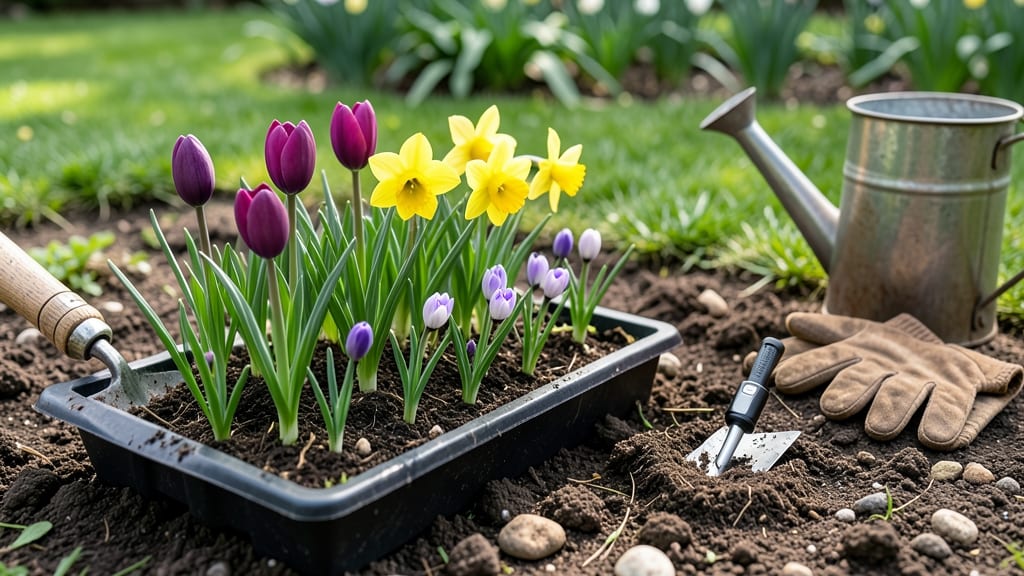
Planting flowers in the spring after the last frost date is the key to a garden that bursts with color instead of struggling to survive.
Timing your spring flower planting perfectly can mean the difference between a vibrant garden and wilted disappointment—especially when last frost dates vary dramatically across planting zones.
In Zone 6a, where many gardeners call home, waiting until mid-April to early May ensures your 🌸 blooms thrive, not just survive. But what if you’re in a warmer zone where frost lingers later, or a cooler one where it retreats earlier?
Below, I’ll break down the exact dates for annuals vs. perennials, how to use a frost calculator like a pro, and which flowers to plant early for a show-stopping season.
Spring planting timeline by USDA hardiness zones: exact dates for annuals vs perennials
Getting your spring flower planting right means knowing your USDA hardiness zone and understanding how frost dates impact different plants. Annuals like marigolds and petunias need warm soil to thrive, while perennials like coneflowers can handle cooler temperatures.
The difference between planting too early or too late can mean the difference between a lush garden and wilted disappointment. Let's break it down by zone so you can plant with confidence.
Your last frost date is the critical marker for spring planting. It's the average date when temperatures drop below 32°F (0°C) after the winter. However, this date varies by 10-14 days depending on whether you're in a coastal area (warmer) or inland (colder).
For example, Zone 3 gardeners in Minnesota might see frost until May 15, while Zone 10 gardeners in Florida could plant as early as February 15. Always check local records for the most accurate timing.
Here's a zone-by-zone comparison of when to plant annual flowers (frost-sensitive) versus perennial flowers (hardier). Use this as your guide, but always verify with your local cooperative extension service for microclimate adjustments.
| USDA Zone | Last Frost Date (Avg) | Plant Annuals After | Plant Perennials | Soil Temp Threshold |
|---|---|---|---|---|
| Zone 3 | May 10-20 | May 25-Jun 5 | April 15-May 10 | 50°F (10°C) |
| Zone 4 | May 1-10 | May 15-25 | April 1-May 15 | 50°F (10°C) |
| Zone 5 | April 25-May 5 | May 10-20 | March 25-April 20 | 45°F (7°C) |
| Zone 6 | April 15-25 | May 1-10 | March 15-April 10 | 45°F (7°C) |
| Zone 7 | April 1-10 | April 20-May 1 | February 25-March 15 | 40°F (4°C) |
| Zone 8 | March 15-30 | March 25-April 10 | February 15-March 10 | 40°F (4°C) |
| Zone 9 | February 15-25 | March 10-20 | January 25-February 15 | 35°
How to use a last frost date calculator: step-by-step guide with common mistakesUsing a last frost date calculator is your secret weapon for timing spring flower planting like a pro. These tools—like the ones from the NOAA or USDA—give you precise dates tailored to your location, but only if you use them right. I’ve planted thousands of flowers and learned the hard way that a misread frost date can mean the difference between a garden full of blooms and a graveyard of seedlings. First, find your USDA hardiness zone (most gardeners are in Zones 3-10). Then, plug your zip code into a trusted calculator like the USDA Plant Hardiness Zone Map or NOAA’s Frost/Freeze Tool. These calculators don’t just give you a date—they account for historical averages and microclimates, which is where most gardeners go wrong. Here’s how to use the calculator correctly—and avoid the three biggest mistakes that kill seedlings before they even sprout. 🌱 Step-by-Step Guide to Using a Last Frost Date Calculator
Now, let’s talk about the three biggest mistakes that even experienced gardeners make when using frost calculators. First, ignoring microclimates—like planting petunias in a frost pocket because the calculator said it was safe. Second, planting too early based on a 3-year average, which can be misleading if those years were unusually warm. Finally, not accounting for nighttime temperatures: a 70°F day with a 40°F night will still kill tender seedlings. Pro tip: Bookmark the NOAA’s Frost/Freeze Tool and check it weekly in spring. Set a reminder for two weeks after your calculated last frost date—that’s when I start planting my heat-loving annuals like geraniums and begonias. And if you’re in Zone 3 or 4, consider using row covers to extend your planting window by 2-3 weeks. Remember, the calculator is just a starting point. Your garden’s unique conditions—like urban heat islands or shady spots—might mean you need to adjust your planting date by 10 days or more. Trust the data, but also trust your gut (and your thermometer). |