
Flowers
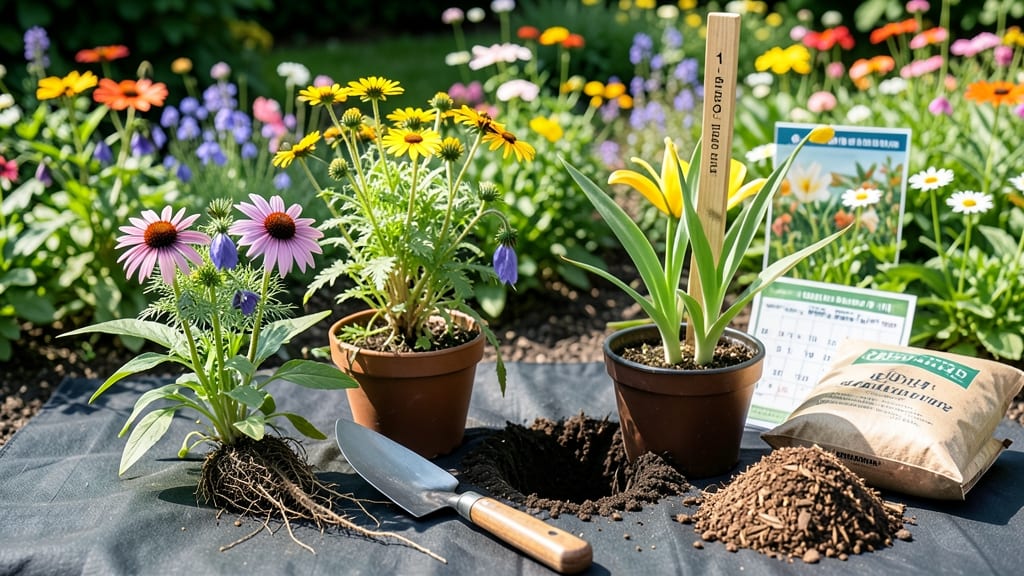
Planting flowers in Wisconsin means timing your garden with precision — the right window keeps your blooms thriving through summer, while a misstep can leave you with frost-nipped petals.
Wisconsin’s chilly Zone 5a-6b climate means the difference between a vibrant garden and a wasted season often comes down to when you plant. Miss the mark, and you risk losing delicate annuals to late frosts or struggling perennials to a slow start.
This guide breaks down the exact planting schedule for your region, from hardy spring bulbs to heat-loving annuals, so you can enjoy 🌸 blooms from June to October without the guesswork.
Learn how to read frost dates, extend your season with smart planting tricks, and pick the most resilient flowers for Wisconsin’s unpredictable weather—so your garden stays beautiful, no matter what Mother Nature throws your way.
Wisconsin Zone 4B last frost dates: critical planting windows by flower type
Wisconsin’s Zone 4B climate creates a tight window for planting flowers—miss the last frost date (typically May 10–20), and tender annuals risk frost damage. Northern Wisconsin (e.g., Green Bay) often sees frost 2–3 weeks later than southern areas (e.g., Madison), so adjust your schedule accordingly.
Understanding these planting deadlines ensures your garden thrives, not just survives.
For annual flowers, the race against frost begins in early spring.
Start cool-season crops like pansies or snapdragons indoors by March 15 to transplant outdoors after the last frost. Warm-season favorites (marigolds, zinnias) need soil at 50°F+—wait until May 20 in northern Wisconsin or May 10 in the south. Perennials and bulbs have more flexibility, but timing still matters for vibrant blooms.
| Flower Type | Last Frost Window | Ideal Planting Time | Notes |
|---|---|---|---|
| Annuals (Warm-Season) | May 10–20 | After last frost, soil 50°F+ | Marigolds, zinnias, petunias |
| Annuals (Cool-Season) | April 15–May 5 | Start indoors March 15 | Pansies, snapdragons, sweet peas |
| Perennials | April 20–May 10 | Early spring or fall | Coneflowers, black-eyed Susans |
| Bulbs (Spring) | September 15–October 15 | Fall planting for spring blooms | Tulips, daffodils, hyacinths |
| Cold-Hardy Flowers | April 1–May 15 | Direct sow after snowmelt | Lupines, columbines, bleeding hearts |
Northern Wisconsin gardeners should push planting dates 2 weeks later due to later frosts. For example, Duluth’s last frost often lands around May 25, while Milwaukee’s is closer to May 10.
Use a local frost calendar or track minimum nighttime temps—if they dip below 32°F, protect tender plants with row covers or move pots indoors.
Fall planting offers a second chance for cool-season flowers like asters or chrysanthemums.
Aim to plant by August 15 in southern Wisconsin or September 1 in the north, giving roots time to establish before first frost (typically October 10–20). Bulbs like crocuses can handle fall planting until November—just ensure soil isn’t frozen.
Microclimates matter: South-facing slopes warm faster than north-facing yards, allowing earlier planting.
Test soil temperature with a thermometer—if it’s below 50°F, delay planting warm-season annuals like tomatoes or peppers (even though they’re not flowers, they share the same rules!). Container gardens also warm up quicker, giving you a 1–2 week head start over in-ground planting.
For bulbs and perennials, early spring is key.
Plant spring-blooming bulbs (daffodils, tulips) in fall (September–October), but summer-blooming varieties (like daylilies) can wait until April–May. Perennials like lavender or Russian sage thrive when planted in early spring or late fall, avoiding Wisconsin’s hot, dry summers that stress newly transplanted plants.
If frost catches you off guard, succession planting saves the day. Sow fast-growing annuals like cosmos or bachelor’s buttons every 2–3 weeks from May through July to stretch your blooms until first frost. Pair them with heat-tolerant perennials like black-eyed Susans, which bounce back from late starts.
Pro tip: Use frost cloth or mini greenhouses to extend your season. I’ve kept petunias blooming until October 15 in Madison by covering them after <
How to extend your Wisconsin flower season: frost-proofing tips and alternate planting strategies
Wisconsin’s unpredictable springs can leave gardeners scrambling to get flowers in the ground before frost zaps tender seedlings. But with the right season-extending strategies, you can push planting dates by weeks—even months—and enjoy blooms from May through October.
The key lies in protecting young plants and choosing varieties that tolerate cooler starts. Whether you’re dealing with a late frost or simply want to maximize your garden’s potential, these practical frost-proofing methods will help you beat Wisconsin’s climate challenges.
🌱 5 Ways to Extend Your Wisconsin Flower Season
- 1
- 2
- 3
- 4
- 5
For row covers, opt for floating tunnels (like those from GrowGuard) to protect tender annuals like petunias or geraniums. Secure the edges with bricks or soil to prevent wind damage, and remove covers once nighttime temps stay above 50°F.
If you’re starting seeds indoors, use grow lights to jumpstart growth and transplant 4-6 weeks before your last frost date. Heat mats can also speed up germination for slow starters like foxglove or delphiniums.
Don’t overlook mulching—a 3-inch layer of straw or shredded leaves insulates soil, keeping roots 5-10°F warmer during cool nights. This is especially helpful for perennials like daylilies or bee balm, which benefit from consistent soil temps.
For late-season blooms, try succession planting with fast-growing annuals like cosmos or sunflowers. These varieties self-seed easily, so you’ll get new plants popping up all summer long with minimal effort.
Wisconsin’s warming summers also mean heat-tolerant flowers are your best bet for July-August color. Lantana, zinnia, and portulaca all thrive in full sun and dry soil, making them perfect for low-maintenance gardens.