
Flowers
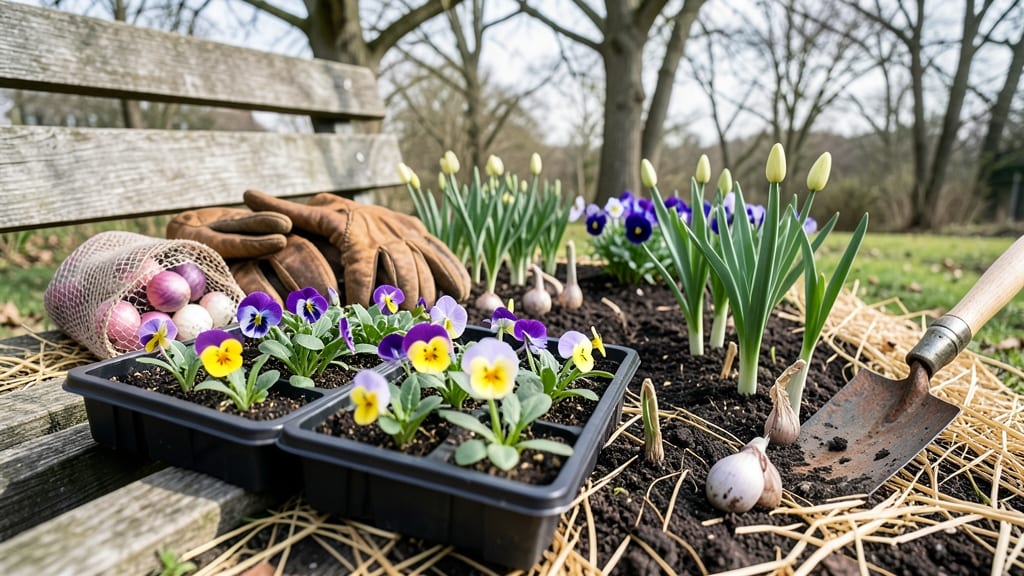
Planting flowers in Zone 5 at the right time 🌸 ensures vibrant blooms all season long, whether you’re sowing annuals, perennials, or bulbs.
Timing is everything in gardening—plant your flowers in Zone 5 too early, and frost will kill them; too late, and they’ll struggle to bloom. Here’s the exact schedule you need to maximize your garden’s beauty and resilience.
For Zone 5 (General), the sweet spot is 4-6 weeks before your last frost date in spring or late summer to early fall for perennials and bulbs. Missing this window can mean weaker roots or missed blooms, so let’s break down the best weeks for each type of flower.
You’ll discover how to adjust for your specific region, the best flowers for early or late planting, and pro tips to extend your season—so you can enjoy a garden that thrives from spring to fall.
Zone 5 last frost dates and best planting weeks for annual flowers
Understanding your Zone 5 last frost dates is the first step to a vibrant flower garden. In this zone, the average last spring frost typically occurs between April 15 and May 15, while the first fall frost arrives around October 15 to November 1.
These dates create a narrow window for planting annual flowers that thrive in warm weather.
For cool-season flowers like pansies and snapdragons, you can start planting as early as 4-6 weeks before your last frost date.
This gives them time to establish roots before the ground warms up. Warm-season flowers, such as marigolds and zinnias, should wait until 2-3 weeks after your last frost to avoid frost damage.
Here’s a detailed breakdown of planting times by region within Zone 5, including exact weeks before last frost to maximize blooms:
| Region in Zone 5 | Last Frost Date | Cool-Season Flowers (Weeks Before Frost) | Warm-Season Flowers (Weeks After Frost) | Best Planting Months |
|---|---|---|---|---|
| Northern Zone 5 (e.g., Minneapolis, Detroit) | May 10-20 | 4-6 weeks (March 15-April 1) | 2-3 weeks (June 1-June 15) | April-May, September |
| Central Zone 5 (e.g., Chicago, Cleveland) | April 25-May 5 | 4-5 weeks (March 20-April 5) | 2 weeks (May 20-June 1) | April-May, September-October |
| Southern Zone 5 (e.g., Nashville, St. Louis) | April 10-April 20 | 3-4 weeks (February 28-March 15) | 1-2 weeks (April 25-May 5) | March-April, September |
Note: Adjust planting times by 1-2 weeks if your microclimate varies (e.g., urban areas may warm faster).
For cool-season annuals, such as pansies and sweet alyssum, begin planting in late winter to early spring (February-March). These flowers tolerate light frosts and often bloom earlier in the season, adding color to your garden as soon as conditions allow.
In contrast, warm-season flowers like marigolds and petunias need warmer soil temperatures to germinate. Wait until the soil reaches at least 60°F before planting, which typically aligns with late May to early June in most of Zone 5.
If you’re planting fall annuals like cosmos or zinnias, aim for late summer (August) to give them time to establish roots before cooler temperatures arrive. These flowers can often handle light frosts and may continue blooming well into fall.
Pro tip: Use row covers or cold frames to extend your planting season by 2-4 weeks in spring or fall. This is especially useful for tender annuals like geraniums or impatiens, which struggle with even light frosts.
Always check your local almanac or weather station for the most accurate frost dates, as microclimates (like urban heat islands) can shift planting windows by 1-2 weeks. With the right timing, your Zone 5 garden can burst into color from early spring through late fall!
How to adjust planting times for perennials vs. annuals in Zone 5
Understanding the difference between perennials and annuals is key to timing your Zone 5 garden right. Perennials return year after year, while annuals complete their life cycle in one season. This means their planting strategies differ significantly—especially in Zone 5's unpredictable frost dates.
For perennials like coneflowers and black-eyed Susans, early spring or fall planting gives roots time to establish before winter. Annuals like zinnias and marigolds, however, demand precise timing to ensure they bloom all summer. Let’s break down the best months for each to avoid common mistakes.
Perennials vs. Annuals: Planting Time Comparison
Best for: Early Spring or Fall
✅ Pros: Establishes roots before winter, returns yearly
✅ Examples: Coneflowers, Lavender, Hostas
Best for: After Last Frost (May-June)
✅ Pros: Fast blooms, seasonal color, easy to replace
✅ Examples: Zinnias, Marigolds, Petunias
❌ Late Spring planting risks weak roots
❌ Fall planting may not establish before frost
❌ Early planting risks frost damage
❌ Late planting means shorter bloom season
For perennials, aim to plant in early spring (April-May) once soil temperatures hit 50°F. This gives roots 6-8 weeks to establish before summer heat. Fall planting (September-October) is ideal for hardy perennials like sedum or Russian sage, as they’ll grow roots without competing with summer blooms.
Annuals, on the other hand, need warm soil and air temperatures—typically after your last frost date (mid-May in most of Zone 5). Planting too early risks frost damage, while waiting too long cuts your bloom time short.
For heat-loving annuals like zinnias, start seeds indoors 4-6 weeks before last frost for a head start.
Pro tip: Use row covers or cold frames to extend your planting window for both types. For perennials, this can mean planting 2-3 weeks earlier in spring. For annuals, it helps protect young seedlings from late frosts, giving you 2 extra weeks of blooms.
Remember, soil temperature matters more than air temperature. Use a soil thermometer to confirm it’s at least 50°F for perennials or 60°F+ for annuals. This small step can mean the difference between thriving plants and struggling ones.
By adjusting your planting schedule to match these strategies, you’ll enjoy longer bloom seasons and healthier plants—whether you’re growing perennials for years of color or annuals for instant summer vibrancy. 🌸