
Plants
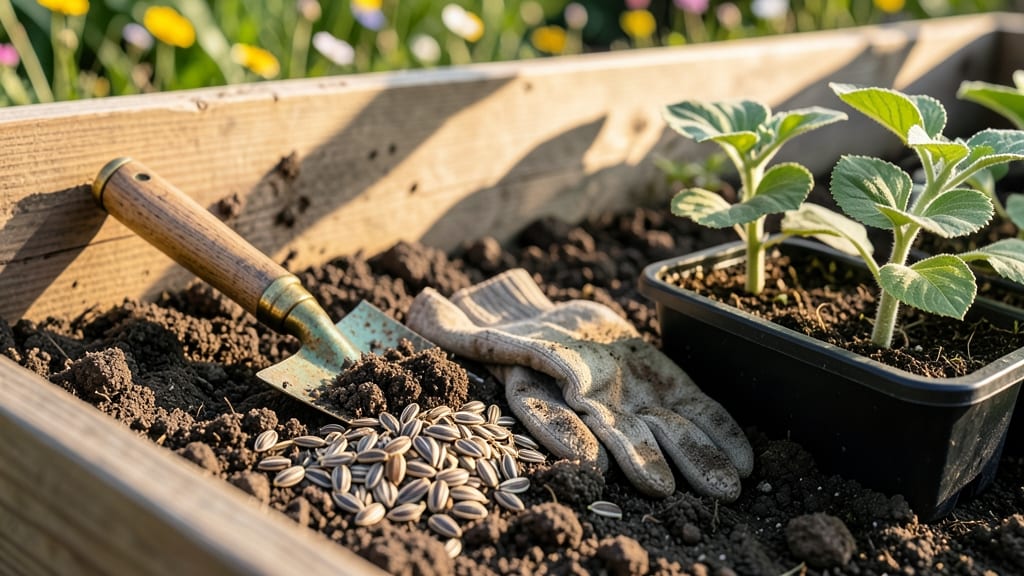
Planting sunflower seeds in Maryland after your last frost date—typically mid-April—sets you up for taller stalks and zero frost damage.
Maryland’s unpredictable spring weather can turn sunflower seeds into a gamble—unless you plant them at the exact right time for maximum height and zero frost damage. Timing isn’t just about months; it’s about soil temperature, local microclimates, and even sunflower variety.
In USDA zones 7a-8a, your best window is late April through early June, when soil warms to 60°F+. Coastal areas like the Eastern Shore may start slightly earlier, while inland regions like Baltimore should wait until mid-May to avoid late frosts.
Here’s how to stretch your growing season, choose the right variety, and avoid common mistakes that stunt growth—so you end up with sunflowers taller than a basketball hoop by August.
Maryland sunflower planting calendar: best months by region (Baltimore vs. Western vs. Eastern Shore)
Sunflowers thrive in Maryland’s warm summers, but getting them in the ground at the right time means the difference between a 10-foot giant and a frost-nibbled flop.
The state’s three distinct regions—Baltimore’s urban heat islands, the cooler Eastern Shore, and the warmer Western counties—each have unique frost risks and soil warming patterns. Let’s break down the optimal planting windows so you can grow sunflowers that reach their full potential.
Maryland’s last average frost dates range from mid-April in Western counties to early May on the Eastern Shore. However, soil temperature is the true deciding factor: sunflower seeds need soil at least 60°F to sprout reliably.
In Baltimore, urban concrete can delay soil warming by 1–2 weeks compared to rural areas. Use a soil thermometer to confirm readiness—don’t guess!
Here’s how Maryland’s three regions compare for sunflower planting:
| Region | Last Frost Date (Avg) | Ideal Planting Window | Soil Temp Threshold | Backup Window (Late Starters) | Key Microclimate Note |
|---|---|---|---|---|---|
| Western MD (Hagerstown, Frederick) | April 15–20 | April 25–May 10 | 60°F+ (reached by late April) | June 1–15 (for shorter varieties) | Warmer, dries faster—water deeply |
| Baltimore Metro | April 25–May 5 | May 10–20 | 60°F+ (often delayed by urban heat lag) | June 1–10 (use row covers) | Urban heat islands warm soil faster but retain moisture poorly |
| Eastern Shore (Chesapeake, Salisbury) | May 5–15 | May 20–June 1 | 60°F+ (cooler coastal soils) | July 1–10 (only dwarf varieties) | Cooler, slower to warm—extend season with black plastic mulch |
For Western Maryland, where frost typically retreats by mid-April, you can start planting as early as late April if your soil hits 60°F. The Frederick and Hagerstown areas benefit from faster soil warming, but watch for late spring frosts—they’re more common in the mountain foothills.
If you’re in this region, ‘Autumn Beauty’ or ‘ProCut’ varieties are excellent choices for early planting.
In Baltimore, the urban environment creates a microclimate paradox: while buildings trap heat, concrete and pavement slow soil warming. Aim for mid-May unless you’re using black plastic mulch or row covers to jumpstart germination. Downtown Baltimore can be 5–10°F warmer than nearby suburbs, so adjust your timing accordingly.
If you’re near Fort McHenry, expect slightly cooler nights—plant 1 week later than inland areas.
The Eastern Shore presents the biggest challenge due to its cooler, coastal climate. Soil often lingers below 60°F until late May, and late frosts can occur as late as May 20.
For this region, delay planting until June 1 unless you’re growing cold-hardy dwarf varieties like ‘Teddy Bear’. If you’re determined to plant early, use row covers or greenhouse trays to protect seedlings.
If you miss the primary window, don’t panic—Maryland’s short growing season allows for a secondary planting in early July. This works best for dwarf or semi-dwarf varieties (like ‘Moulin Rouge’), which mature faster.
Just be prepared for smaller stalks and earlier flowering before the first frost. For Western MD, July planting can still yield 6–8 foot sunflowers if given enough sunlight.
Pro tip: Use a soil thermometer to confirm readiness—60°F is non-negotiable for sunflower seeds. If your soil is still cool, wait 1–2 weeks rather than risking poor germination. And remember, overwatering after planting can delay sprouting—keep soil moist but not soggy until seedlings emerge.
🌻
How to stretch your sunflower growing season: extending planting for larger stalks
Sunflowers thrive when given time to grow strong roots and sturdy stalks, but Maryland’s short growing season can feel like a race against time. The key to taller, healthier sunflowers lies in strategic planting—both early and late in the season—while protecting young plants from unpredictable weather.
With the right tactics, you can enjoy two harvests per year instead of just one.
Start by choosing cold-hardy varieties like ‘Moulin Rouge’ or ‘Autumn Beauty,’ which tolerate cooler temperatures better than standard types. These varieties can handle light frosts and still produce impressive heights, giving you a head start in early spring or a second chance in late summer.
Pair them with row covers for extra protection during those chilly Maryland mornings.
🌱 Stretch Your Sunflower Season with These Pro Tips:
- Early Spring Starts (March–April): Plant cold-hardy varieties like ‘Moulin Rouge’ under row covers for frost protection. Soil should be at least 50°F to prevent rot.
- Late Summer Replanting (July–August): Sow a second crop of short-season varieties like ‘Teddy Bear’ for a fall harvest before frost. Choose compact types for smaller spaces.
- Seed Depth & Spacing: Plant seeds 1–2 inches deep and 6–12 inches apart for optimal airflow. Thin seedlings to 18–24 inches to prevent competition.
- Companion Planting: Pair sunflowers with radishes or lettuce to deter pests like cucumber beetles. Avoid planting near potatoes, which compete for nutrients.
- Soil Prep: Amend soil with compost before planting to improve drainage. Sunflowers hate soggy roots but love well-draining, fertile soil.
For late-summer replanting, focus on varieties with a 50–60 day maturity, like ‘ProCut’ or ‘Russian Giant.’ These give you a second chance at sunflowers even when the heat of July and August is in full swing.
Just be sure to water deeply every 2–3 days, as young plants struggle in the heat without consistent moisture.
One of my favorite tricks is using black plastic mulch to warm the soil faster in early spring. This creates a microclimate that encourages faster germination and growth, giving sunflowers a 2–3 week head start.
It also suppresses weeds, so you spend less time weeding and more time admiring your towering blooms.
Remember, sunflowers are drought-tolerant once established, but they need consistent watering during germination. Let the soil dry slightly between waterings after the first few weeks to encourage deep root growth.
This is especially important in Maryland’s humid summers, where overwatering can lead to fungal issues like powdery mildew.
By combining cold-hardy varieties, row covers, and late-summer replanting, you can turn Maryland’s growing season into a sunflower lover’s paradise—with taller stalks and longer harvests all year. The secret? Timing, protection, and patience—just like any great garden! 🌻