
Plants
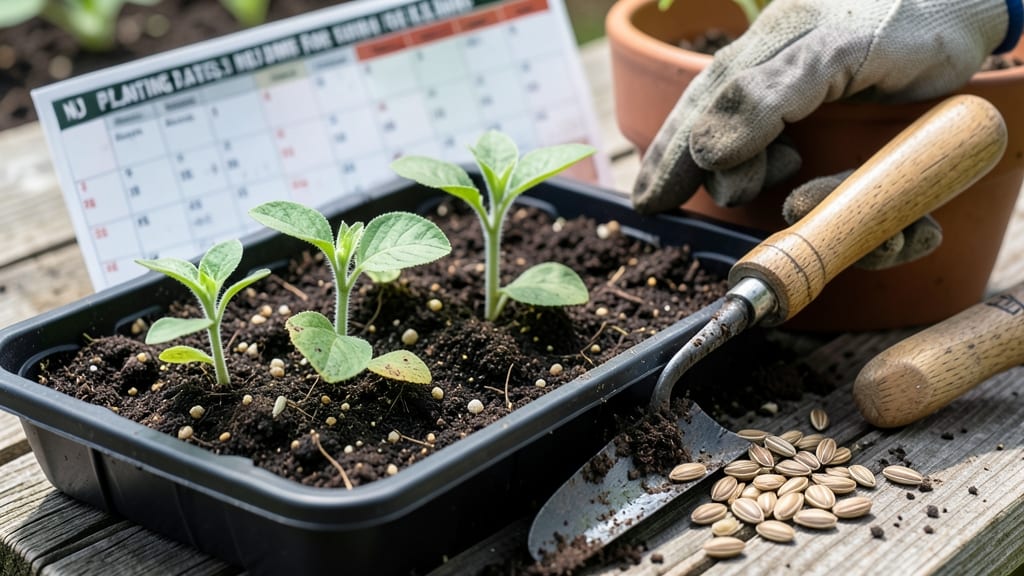
Planting sunflower seeds in NJ at the right time means the difference between a 12-foot tower of golden blooms and a sad, frost-nipped seedling.
Here’s the catch: New Jersey’s Zone 6B climate throws curveballs with late frosts creeping in as late as mid-April, while coastal areas can be weeks ahead of inland gardens. Miss the window, and your sunflowers 🌻 might bolt before they even get tall—or worse, never emerge at all.
Below, I break down the exact frost-free planting schedule for your region, whether you’re growing towering giants or compact varieties, plus soil prep tricks to give your seeds the best start.
You’ll also discover how to adjust for NJ’s microclimates, from coastal breezes to inland heatwaves, and the one simple hack that adds 2 extra weeks to your growing season—no greenhouse required.
NJ sunflower planting calendar: exact dates by variety type
New Jersey’s Zone 6B climate means sunflower planting dates hinge on your last frost date, which typically falls between April 15 and May 1.
But not all sunflowers mature at the same pace—tall varieties need 90+ days to bloom, while dwarf types mature in just 60-75 days. Get the timing wrong, and you’ll miss peak summer color or face frost damage. Here’s your exact planting schedule broken down by variety.
For tall sunflowers (like 'Mammoth' or 'Russian Giant'), aim to plant April 15–May 1 in most of NJ. These giants need 90+ days to reach their 10–16-foot glory, so late starts risk stunted growth.
If you’re in coastal areas (like Cape May), wait until May 1–5—cooler maritime air delays soil warming.
Medium-height varieties ('Autumn Beauty' or 'ProCut', 75–90 days to maturity) offer flexibility. Plant them April 1–May 15 for a staggered bloom time. This gives you two planting windows: early for summer blooms or late for fall harvests.
Just avoid planting after June 1, or your flowers may bolt before frost.
Dwarf sunflowers ('Teddy Bear' or 'Moulin Rouge', 60–75 days) are the most forgiving. Sow them April 15–June 1 for continuous blooms through summer. Their shorter stature (1–3 feet) makes them ideal for containers or small gardens, and they tolerate slightly later starts better than taller types.
🌱 Pro Tip: Use black plastic mulch to warm soil faster if planting early. Remove it once sprouts appear to prevent overheating.
If you miss the primary window, don’t panic! Late starts still work for medium and dwarf varieties. For example, planting 'Autumn Beauty' on June 1 will yield fall blooms instead of summer ones.
Just ensure your seeds get 6+ hours of sun daily—NJ’s shorter summer days can stunt growth if light is limited.
For coastal NJ (e.g., Atlantic City, Cape May), delay planting by 1–2 weeks. Ocean breezes keep soil cooler, so wait until May 1 for tall varieties. Inland areas (Trenton, Newark) can plant 1 week earlier—their warmer microclimates speed up germination.
🌿 Soil Prep Tip: Amend heavy NJ clay soil with compost or sand to improve drainage. Sunflowers hate soggy roots!
Track your local frost dates using the NJ State Climate Office or apps like Farmer’s Almanac. Adjust your planting date if your area experiences an early frost—even 32°F can damage young seedlings. For extra protection, use row covers until plants reach 6 inches tall.
✂️ Final Note: Thin seedlings to 12–36 inches apart (depending on variety) once they’re 3–4 inches tall. Crowded sunflowers compete for nutrients, leading to shorter stems and fewer blooms.
How to adjust planting for NJ’s microclimates and soil conditions
New Jersey’s diverse microclimates can make or break your sunflower success. Coastal areas like Cape May enjoy warmer springs and softer soils, while inland regions like the Pine Barrens face heavy clay and later frosts.
Even within a single county, your neighbor’s garden might be 2 weeks ahead of yours—just because of elevation or wind patterns.
Then there’s the soil challenge: NJ’s famous clay-heavy soil drains poorly, smothers roots, and can leave your sunflower seeds gasping for air. Without adjustments, your seeds might rot before they sprout, or your plants could stunt from lack of oxygen.
The good news? Simple fixes like amending soil and using mulch can transform your garden bed into sunflower heaven.
I’ll show you how to adjust planting dates for your specific microclimate, fix drainage issues in heavy clay, and extend your growing season with low-tech tricks like black plastic mulch. Plus, a pre-planting checklist to ensure your soil is ready for those golden seeds.
⚠️ NJ’s Hidden Frost Risk
Coastal NJ (e.g., Atlantic City) averages last frost by April 1, while inland (e.g., Newark) can see frost as late as May 1. Plant dwarf varieties 2 weeks earlier in coastal zones, but wait until after May 15 inland for tall varieties to avoid frost damage.
Pro Tip: Use a frost cloth for 2 extra weeks of protection if planting early in high-risk areas.
Start by testing your soil’s drainage. Dig a 12-inch hole, fill it with water, and time how long it takes to drain. If it’s still half full after 6 hours, your soil is too compacted.
Sunflowers need well-draining soil to prevent root rot. Mix in 3–4 inches of compost or sand (like coarse builder’s sand) to loosen the clay. For heavy clay beds, raise beds 6–12 inches high to improve drainage naturally.
To extend your growing season, try black plastic mulch or row covers. Lay down black plastic 2–3 weeks before your target planting date to warm the soil by 5–10°F. This lets you plant earlier in spring or later in fall.
For coastal gardens, remove mulch after 4 weeks to avoid overheating; inland areas can keep it until late June.
Before you plant, run through this quick checklist: ☑️ Test soil drainage (dig the hole test) ☑️ Amend with compost or sand if needed ☑️ Choose varieties for your microclimate (dwarf coastal, tall inland) ☑️ Warm soil with black plastic mulch 2–3 weeks early ☑️ Mark frost dates on your calendar (coastal vs. inland)
With these adjustments, your sunflowers will thrive in NJ’s tricky conditions, whether you’re battling clay soil or coastal winds. Soon, you’ll have sunflower stalks reaching for the sky—just in time for summer’s golden glow. 🌻