
Plants
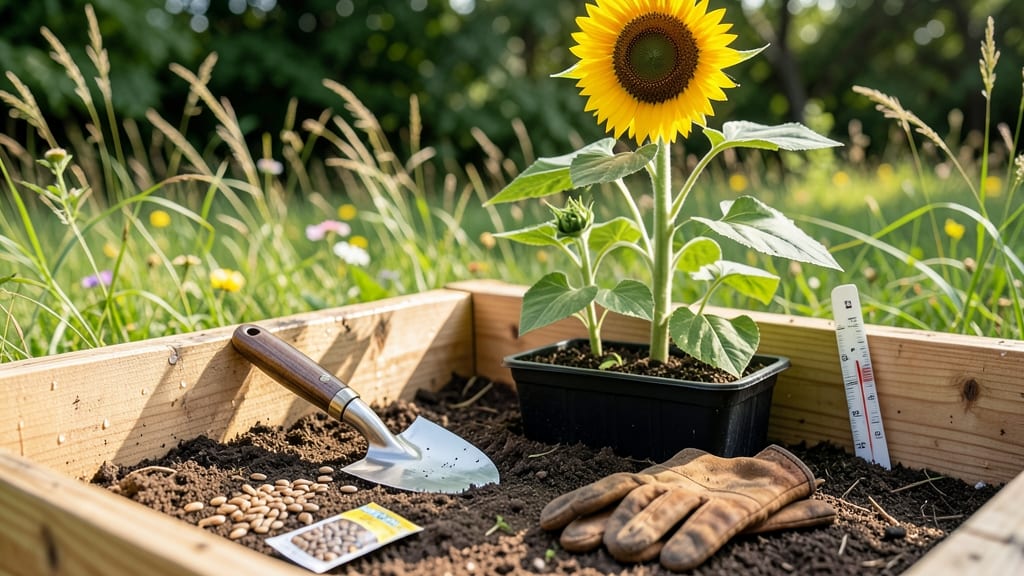
Planting sunflower seeds in Oregon between mid-April and mid-June ensures your 🌻 will thrive in zones 7b-9a, whether you're in Portland or Bend.
Oregon’s diverse climate—from coastal fog to high-desert heat—means sunflower planting timing can make or break your harvest. Get it wrong, and you’ll miss the towering blooms; get it right, and you’ll enjoy golden stems from summer to fall.
Most gardeners in the Willamette Valley wait until after the last frost (April 15), while Eastern Oregon’s warmer microclimates can start as early as late March. The key is soil warmth: aim for 60°F+ before planting.
Below, I’ll break down the best months for your region, soil prep tips, and how to keep your sunflowers reaching for the sky all season long.
Oregon’s sunflower planting zones: when to start indoors vs outdoors
Oregon’s sunflower planting success hinges on understanding its USDA zones 6-9 and microclimates. The Willamette Valley (Zone 8) has milder winters, while Eastern Oregon (Zone 7) faces earlier frosts. Timing matters—plant too early, and frost will kill tender seedlings; too late, and you’ll miss summer blooms.
Let’s break down the ideal planting windows for each region to maximize your sunflower harvest.
Sunflowers thrive in warm soil (at least 50°F) and full sun. Oregon’s last frost dates vary dramatically: March 15 in Medford (Zone 8b), April 15 in Portland (Zone 8a), and May 1 in Bend (Zone 7b).
These dates dictate whether you’ll start seeds indoors or direct-sow outdoors. For transplants, begin seeds 4-6 weeks before your last frost date to give them a head start.
Key factors to consider: soil temperature, frost risk, and sunflower variety. Dwarf varieties (like ‘Teddy Bear’) can handle cooler soils, while giants (like ‘Mammoth’) need warmth. Below is a region-specific planting guide to help you align your schedule with Oregon’s climate quirks.
| Region | USDA Zone | Last Frost Date | Indoor Start (Transplants) | Direct Sow Outdoors | Notes |
|---|---|---|---|---|---|
| Willamette Valley (Portland, Salem) | 8a-8b | April 15 | March 1 - March 15 | April 20 - May 10 | Mild winters; extend season with row covers. |
| Columbia Gorge (Hood River, The Dalles) | 7b-8a | April 1 | February 20 - March 10 | April 10 - May 1 | Cooler nights; choose cold-tolerant varieties. |
| Eastern Oregon (Bend, La Grande) | 7a-7b | May 1 | March 15 - April 1 | May 10 - June 1 | Short growing season; prioritize early-maturing varieties. |
| Southern Oregon (Medford, Ashland) | 8b-9a | March 15 | February 1 - February 15 | March 20 - April 10 | Longer season; can plant in fall for winter blooms. |
For indoor starts, use grow lights or a sunny windowsill to prevent leggy seedlings. Harden off transplants for 7-10 days before moving them outdoors after the last frost.
In Eastern Oregon, where frost lingers, opt for dwarf varieties like ‘Little Becka’ (3-4 ft tall) to ensure they mature before first frost in October.
In the Willamette Valley, you can also try a fall planting (late July) for winter color. However, avoid planting after August 15, as sunflowers need 60-120 days to mature.
Use black plastic mulch to warm the soil faster in cooler zones like the Columbia Gorge, giving seeds a quicker start.
Soil preparation is critical—sunflowers hate soggy roots. Amend your soil with compost and ensure well-draining conditions. In Southern Oregon, where summers are hot and dry, mulch heavily to retain moisture. Direct-sow seeds 1 inch deep and 6 inches apart, thinning to 12-24 inches as they grow.
Overcrowding leads to weak stems and fewer blooms.
Monitor soil temperature with a thermometer—it should stay above 50°F for 7+ days before planting. In Zone 7 areas, wait until mid-May to avoid late spring frosts.
If you’re unsure, check Oregon State University’s frost risk maps or local Cooperative Extension offices for updates. Patience pays off—rushing can stunt growth or delay flowering.
Once planted, water deeply but infrequently to encourage deep roots. Sunflowers are drought-tolerant once established, but consistent moisture during germination (first 2 weeks) is key. In high-desert regions
Best sunflower varieties for Oregon’s climate and their planting timing
Oregon’s diverse microclimates mean not all sunflowers thrive equally. Dwarf varieties like 'Teddy Bear' (1-3 ft) work well in cooler coastal areas, while giant types such as 'Russian Giant' (12-16 ft) need Eastern Oregon’s warmth to reach their full height.
Oilseed varieties like 'NuSun' (5-6 ft) are perfect for seed production and tolerate moderate frost.
Timing matters too—plant dwarfs by May 1 in Portland (Zone 8) to avoid late frosts, while giants should go in by April 15 in Bend (Zone 7) for maximum height. Oilseed types can handle a late start until June 1, as they mature faster.
✅ Planting Sunflowers in Oregon: Pros & Cons by Variety
- Pros: Frost-tolerant, great for containers
- Cons: Shorter stems, fewer seeds
🌱 Best for: Coastal Oregon, urban gardens
- Pros: Dramatic height (12-16 ft), long vase life
- Cons: Needs full sun and warm soil
☀️ Best for: Eastern Oregon, high-desert areas
- Pros: Fast-growing (50-60 days), high seed yield
- Cons: Smaller blooms, shorter stems
🌾 Best for: Seed production, late plantings
💡 Key Tip: Test soil warmth (60°F+) before planting giants to avoid stunted growth.
For coastal Oregon (Zones 7b-8a), prioritize dwarf or semi-dwarf varieties like 'Moulin Rouge' (4-5 ft), which handle cooler temps and humidity better. These types also bloom earlier (60-70 days), giving you longer enjoyment before fall frosts hit in October.
In Eastern Oregon (Zones 6-7), giant sunflowers like 'Autumn Beauty' (6-10 ft) thrive when planted by mid-April. Their longer growing season (90-120 days) lets them outpace early frosts, but stake them early—wind in the Columbia Gorge can topple these towering beauties.
If you’re growing for seeds or bird feed, 'Sunbright' (5-6 ft) is a top oilseed choice for Oregon. Plant it by late April in Western Oregon or early April in Eastern regions.
Its compact size makes it ideal for small gardens, and it matures quickly (60 days), letting you harvest twice in one season with succession planting.
No matter the variety, direct-sow after frost for best results. Transplants struggle in Oregon’s variable spring weather, so skip starting indoors unless you’re in Zone 6 (Eastern Oregon), where earlier starts help beat shorter summers. 🌻