
Flowers
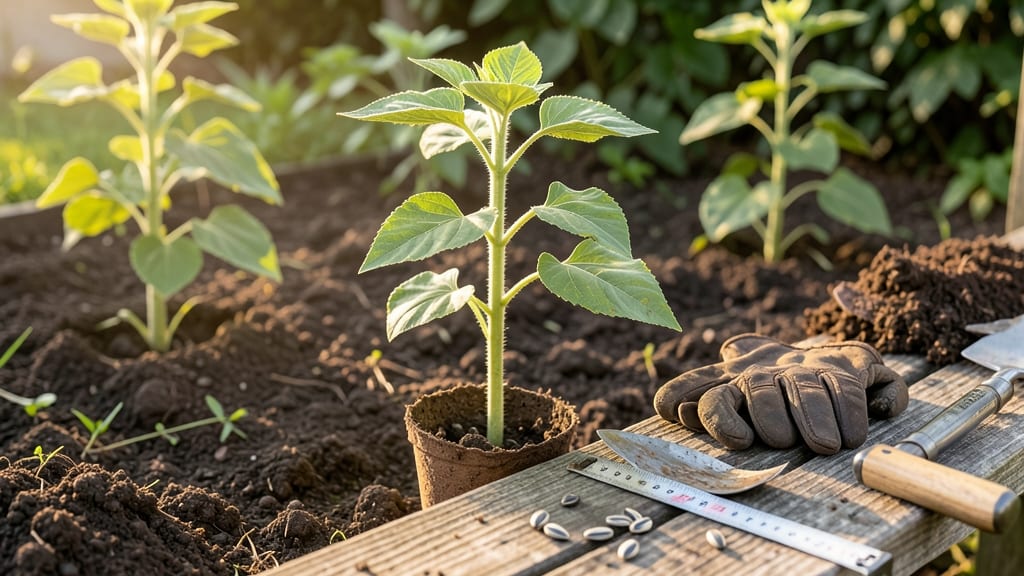
Planting sunflowers in Florida after the last frost — around mid-January in North Florida and December in South Florida — guarantees bold blooms before the summer heat peaks.
Here’s the catch: timing isn’t just about frost. In North Florida, where cooler springs linger, you’ll want to start seeds indoors by late February to avoid leggy seedlings. Meanwhile, South Florida’s frost-free zones let you plant year-round, but the real trick is beating the mid-July humidity that slows growth.
Sunflowers 🌻 thrive in Florida’s heat zones 9a-11, but the key is matching varieties to your region. Giant varieties like ‘Russian Giant’ need early starts, while dwarf types like ‘Teddy Bear’ can handle late-summer plantings for fall color.
Get the schedule wrong, and you’ll end up with tall stems and no blooms.
In this guide, I’ll break down the exact planting windows for your Florida heat zone, plus how to adjust for rain delays, soil prep, and even hurricane-proofing your seeds. Ready to grow sunflowers that stand taller than your fence?
Florida heat zones: best sunflower planting months by region
Sunflowers thrive in Florida’s warm climate, but the 11 heat zones create dramatic differences in planting windows. North Florida’s cooler springs allow earlier starts, while South Florida’s year-round growing season lets you plant almost anytime. Understanding your zone ensures your sunflowers bloom bold and healthy—not wilted or stunted.
Florida’s heat zones range from Zone 8a (coolest) in the Panhandle to Zone 11 (hottest) in the Keys. The key factor? Soil temperature—sunflowers need 55°F+ soil to germinate. In North Florida, this happens by mid-February, while South Florida gardeners can plant year-round with minimal risk of frost.
Here’s your zone-by-zone planting guide, including ideal months for annual varieties (like ‘Moulin Rouge’) and perennial types (like ‘Autumn Beauty’). Pro tip: Fall planting in North Florida extends blooms into winter, while South Florida’s summer heat demands shade for seedlings.
In North Florida (Zones 8a–9a), aim for late winter to early spring (February–March) to beat the summer heat.
For example, in Jacksonville (Zone 8b), planting in January gives sunflowers time to mature before 90°F+ temperatures arrive. Fall planting (September–October) is a hidden gem—it avoids summer’s intensity and produces cool-season blooms.
South Florida gardeners in Zones 10b–11 enjoy year-round planting, but summer (June–August) is riskier due to humidity and pests. Start seeds indoors or use shade cloth for seedlings. Dwarf varieties like ‘Dwarf Sunglow’ handle heat better than giants.
Pro tip: Mulch heavily to retain moisture in the sandy soils common in South Florida.
For perennial sunflowers (like ‘Autumn Beauty’), North Florida gardeners can plant in fall (September) for winter blooms, while South Florida’s mild winters allow year-round growth. Just monitor soil moisture—sunflowers wilt quickly in sandy or rocky soil. Amend with compost to improve water retention.
Regardless of your zone, avoid planting during peak heat (June–July in most regions). Instead, opt for early morning or late afternoon sowing. Use row covers for seedlings in Zones 8a–9a to protect
How to adjust sunflower planting for Florida’s unpredictable weather
Florida’s weather throws curveballs—hurricanes, sudden heatwaves, and humidity spikes that can turn your sunflower seedlings into sad, wilted sticks. The key to success? Flexibility and preparation. I’ve learned that while sunflowers love Florida’s heat, they need a little help to survive the chaos.
Start by testing your soil—aim for a pH of 6.0-7.0—and mix in compost to improve drainage, since Florida’s clay-heavy soils can suffocate roots.
For North Florida gardeners, where cooler springs delay planting, I recommend starting seeds indoors by late February to give them a head start. In South Florida, where frost is rare, you can direct-sow year-round—but watch for mid-July humidity, which slows germination.
The trick is planting in early spring (March-April) or late summer (August-September) to avoid the worst of it.
⚠️ callout warning ⚠️ Hurricane & Heatwave Survival Tips Florida’s unpredictable weather demands extra precautions. If a storm is forecasted, stake young seedlings (use bamboo stakes) to prevent wind damage. For sudden heatwaves, provide shade cloth (30-50%) for seedlings until they’re 6 inches tall.
Avoid overhead watering—it spreads disease in humidity. Instead, use drip irrigation or soaker hoses to keep foliage dry. Mulch with straw or pine needles to retain moisture and cool roots.
Not all sunflowers handle Florida’s extremes equally. Drought-resistant varieties like ‘Moulin Rouge’ (deep red blooms) and ‘Autumn Beauty’ (multi-colored) thrive with minimal water once established. These types also tolerate sandy soils better than giants like ‘Russian Giant,’ which need rich, well-draining soil.
If you’re in a flood-prone area, opt for raised beds to prevent waterlogged roots.
Timing your watering is just as critical as planting dates. Sunflowers need 1-2 gallons of water per plant every 2-3 days during dry spells, but morning watering is a must—it reduces fungal risks from evening humidity.
In my garden, I’ve seen sunflowers bolt (flower too early) when stressed by drought, so consistency is key. A moisture meter helps track soil conditions, especially in Florida’s sandy soils that dry out fast.
For a second flush of blooms, try a fall planting in September. Choose short-day varieties like ‘Teddy Bear’ to trigger flowering before winter chills arrive. In North Florida, this means planting by mid-October to avoid early frosts.
In South Florida, you can push it to November, but watch for hurricane season’s tail end—secure stakes before storms roll in.
Remember, sunflowers are tough but not invincible. The secret to Florida success? Observe, adapt, and protect. With the right prep, you’ll enjoy 12-foot stalks and vibrant blooms from spring through fall—no matter what Mother Nature throws your way. 🌻