
Flowers
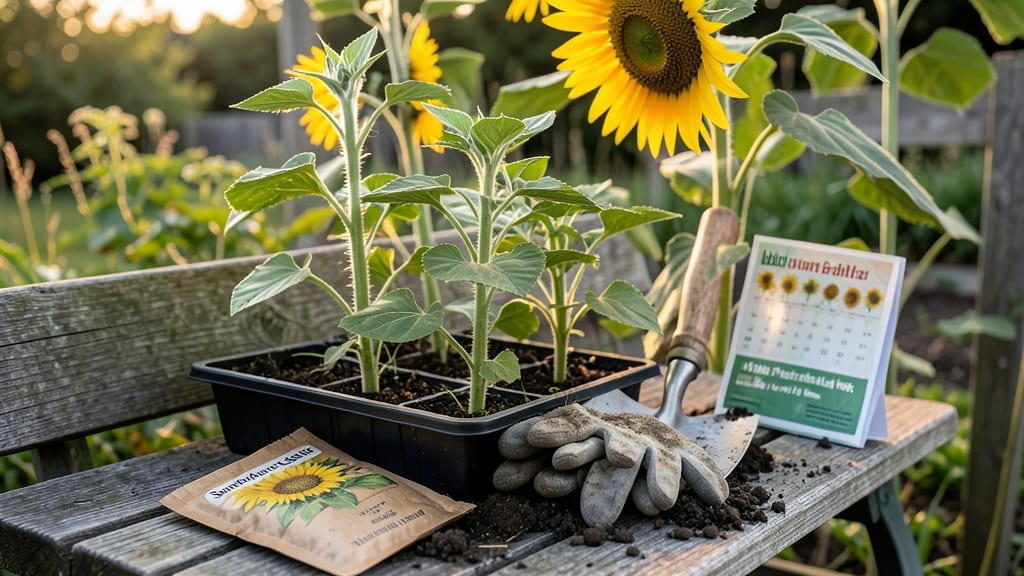
Plant sunflowers in Idaho after your last frost, typically between mid-April and mid-June, to give 🌻 these fast growers the strong start they need.
If you’ve ever watched a sunflower bolt too early or wilt under a late frost, you know timing is everything. Idaho’s climate—from Boise’s early springs to the North’s lingering cold—means a one-size-fits-all approach won’t cut it.
Below, I break down the exact frost dates by region, the best sunflower varieties for your zone, and how to stretch your planting window with simple tricks. No more guessing—just blooms that reach for the sky.
You’ll learn when to start seeds indoors, how to adjust for altitude, and the one mistake that kills sunflowers faster than cold weather. Ready to grow sunflowers that rival Idaho’s big skies?
Idaho’s frost dates & best planting windows for sunflowers
Idaho’s diverse climate—spanning USDA zones 4 through 7—creates unique challenges and opportunities for growing sunflowers. The last spring frost typically arrives between mid-April and early May, while the first fall frost hits as early as mid-September in northern regions.
These dates determine your planting windows and help you avoid frost damage to your sunflowers’ tender young leaves and blooms.
Sunflowers thrive in Idaho’s long, sunny summers, but timing is everything. Plant too early, and frost will nip delicate seedlings. Wait too late, and your plants won’t reach maturity before the first frost.
The ideal planting window for most sunflower varieties is mid-April to mid-June, but this varies by region. Southern Idaho (like Boise) can start planting as early as late March, while northern areas (like Coeur d’Alene) should wait until early May.
Here’s a quick reference for Idaho’s frost dates by region and the corresponding sunflower planting windows to maximize your garden’s success. These timelines account for sunflowers’ 50–120-day growth cycle, ensuring your plants have enough time to mature before frost.
| Region | USDA Zone | Avg. Last Frost | Avg. First Frost | Best Planting Window | Harvest Timeline |
|---|---|---|---|---|---|
| Southern Idaho (Boise, Twin Falls) | Zone 6-7 | April 10–15 | October 10–15 | Late March–mid-June | Late July–September |
| Central Idaho (Meridian, Nampa) | Zone 6 | April 15–20 | October 1–10 | Mid-April–early June | Late July–early September |
| Northern Idaho (Coeur d’Alene, Sandpoint) | Zone 4-5 | May 5–10 | September 15–20 | Early May–mid-June | Early August–late August |
For gardeners in southern Idaho, you can even try an early spring planting in late March if you use row covers to protect seedlings from late frosts. This gives your sunflowers a head start and extends the harvest season.
In northern Idaho, focus on mid-to-late May plantings to ensure your sunflowers mature before the first frost in September.
Sunflowers are warm-season plants, so soil temperature matters just as much as frost dates. Aim to plant when the soil reaches at least 55°F (13°C). In Idaho, this typically aligns with the last frost date, but you can use a soil thermometer to double-check.
Cold soil slows germination and can stunt early growth, so don’t rush—wait for the right conditions.
If you’re growing tall varieties like Mammoth, prioritize early planting (April–May) to give them enough time to reach their full 10–16-foot height before frost. Dwarf varieties, like Teddy Bear, are more flexible and can tolerate later plantings (May–early June) since they mature faster (50–60 days).
Always check the days to maturity on your seed packet to align planting with your local frost dates.
Fall planting is possible in Idaho but risky due to early frosts. If you attempt it, choose fast-maturing varieties (under 60 days) and sow seeds in late July or August.
These sunflowers will bloom quickly and produce seeds before the first frost. However, this method is best suited for southern Idaho, where the growing season is longer.
Pro tip: Use succession planting every 2–3 weeks from April to June to enjoy sunflowers in bloom from July through September. This staggered approach ensures a continuous display of color and extends your harvest window.
Just be sure to keep track of your last frost date and adjust timing based on your microclimate.
Finally, monitor local weather forecasts as you approach planting time. Idaho’s climate can shift quickly, and unexpected
Sunflower varieties & their ideal planting times in Idaho
Idaho’s diverse climate—from Boise’s hot, dry summers to Coeur d’Alene’s cooler, wetter springs—means your sunflower timing should match the variety. Giant Mammoth sunflowers need a long, frost-free season, while Teddy Bear dwarf varieties can handle cooler temps better.
Let’s break down the best planting windows for Idaho’s top sunflower types, including how to adjust for your microclimate.
For Boise (USDA Zone 6b-7a), aim to plant mid-April to early May for most varieties, while Northern Idaho (Zone 4a-5b) gardeners should wait until late May to early June to avoid frost damage. ProCut varieties, bred for cut flowers, thrive with a slightly earlier start—late April—to ensure they reach their 60-90 day harvest window before fall frosts.
| Variety | Height | Best Planting Time (Idaho) | Days to Maturity | Heat Tolerance | Best For |
|---|---|---|---|---|---|
| Mammoth (e.g., 'Russian Giant') | 12-16 ft | Late May - early June | 90-120 days | High (needs heat) | Boise, Treasure Valley |
| Teddy Bear (Dwarf) | 1-3 ft | Mid-April - May | 50-60 days | Moderate (cool-tolerant) | Northern ID, containers |
| ProCut (e.g., 'Autumn Beauty') | 5-7 ft | Late April - early May | 60-80 days | High (long vase life) | Cut flower growers |
| Sunspot (Dwarf) | 1-2 ft | Early May - June | 55-65 days | Moderate (early bloomer) | Long seasons, borders |
| Moulin Rouge (Bicolor) | 8-10 ft | Late May - June | 70-90 days | High (needs warmth) | Boise, South Idaho |
If you’re in Coeur d’Alene or Northern Idaho, prioritize dwarf varieties like Teddy Bear—they tolerate cooler soils and shorter seasons better. These 50-60 day varieties can even handle a late May planting and still bloom before frost.
For Boise gardeners, Mammoth types need that late May start to avoid bolting too early or getting hit by September frosts.
Pro tip: Use black plastic mulch to warm soil faster for early May plantings in Boise. This trick adds 5-7°F to soil temps, helping giant varieties like 'Russian Giant' establish roots before summer heat peaks.
For Northern Idaho, stick to shorter varieties or use row covers to extend the season by 2-3 weeks.
Don’t overlook fall planting for late-summer varieties like 'Autumn Beauty'. Sow seeds in early August in Boise—they’ll bolt quickly in warm soil and bloom by September-October, giving you cut flowers when other gardens are winding down. Just be ready to harvest before first