
Flowers
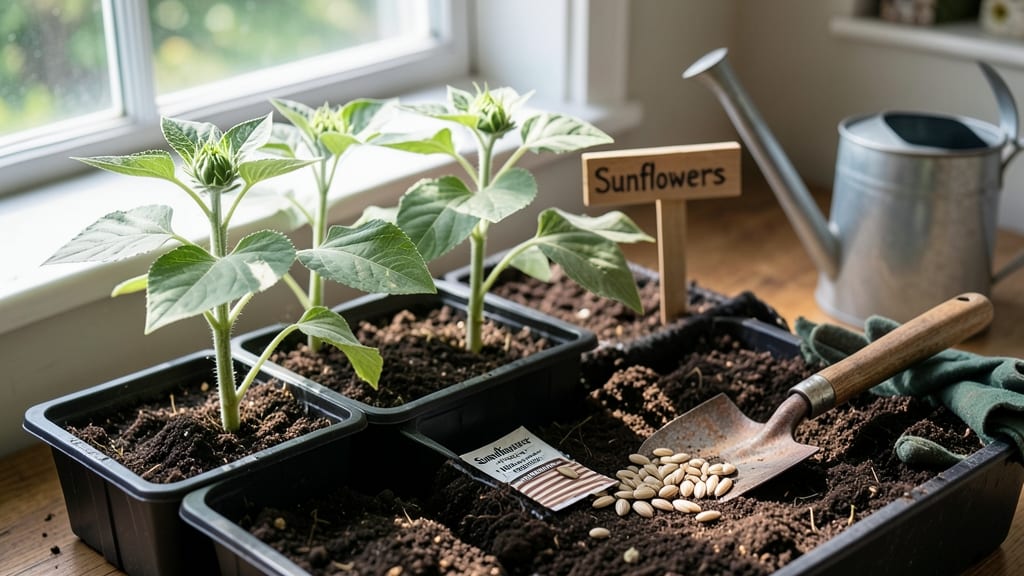
Planting sunflowers in Maine after the last frost — typically mid-May — ensures your 🌻 giants have enough warmth to reach their full height before summer fades.
Maine gardeners know timing is everything—plant sunflowers too early, and frost will strike; too late, and summer’s fleeting days may leave your blooms stunted.
The 60-day window between frost-free and first frost is tight, but with the right variety and prep, you can still grow sunflowers that tower over your fence.
Sunflowers thrive in Maine’s long daylight hours, but they need consistent warmth to germinate. Soil temperatures below 50°F slow growth, so wait until late May or early June for direct sowing, or start indoors 4-6 weeks earlier for transplants.
Below, I’ll break down the best planting schedule by sunflower type—whether you’re growing dwarf varieties for containers or giant Russian sunflowers for cut flowers—plus soil tricks to help them beat Maine’s short season.
Maine’s frost-free dates for sunflower planting by variety
Maine’s short growing season demands precise timing for sunflower success. With last frost dates ranging from late April to mid-May across the state, your planting window is narrow. Giant varieties need extra warmth, while dwarf types can tolerate cooler soils.
Let’s break down the ideal planting dates for each sunflower type to maximize your harvest before Maine’s first frost in October.
Sunflowers thrive in USDA Zones 4-5, but Maine’s cool nights and variable weather require strategic planning. Direct sowing after the last frost (typically May 15–June 1) gives seeds time to germinate before summer’s end.
For transplants, start seeds indoors 4–6 weeks before the last frost date to avoid stunted growth from cool soil.
Here’s how dwarf, mid-height, and giant sunflowers differ in their ideal planting windows—plus the trade-offs of early vs. late planting.
| Variety Type | Ideal Planting Window | Soil Temp Requirement | Days to Maturity | Early Planting Risk | Late Planting Risk |
|---|---|---|---|---|---|
| Dwarf (1–3 ft) | Mid-May to early June | 50°F+ | 50–60 days | Frost damage to seedlings | Smaller blooms, shorter season |
| Mid-Height (3–6 ft) | Late May to mid-June | 55°F+ | 60–75 days | Slow germination | Stunted growth, fewer seeds |
| Giant (8–14 ft) | Early June to July 1 | 60°F+ | 75–100 days | Seedlings won’t survive frost | Limited time to reach full height |
For dwarf sunflowers, like ‘Teddy Bear’ or ‘Moulin Rouge’, start planting by mid-May to ensure blooms by July. These varieties tolerate cooler soils and shorter seasons, making them ideal for northern Maine (Zone 4).
Planting too early risks frost damage to tender seedlings, while late planting may delay blooms until September, cutting their display short.
Mid-height varieties, such as ‘Autumn Beauty’ or ‘ProCut’, need warmer soil. Aim for late May to early June to give them 60–75 days to mature. These sunflowers strike a balance—tall enough for cut flowers but hardy enough for Maine’s cool nights.
Skipping the June 1 deadline risks stunted stems or no blooms at all.
Giant sunflowers, like ‘Russian Giant’ or ‘Mammoth’, demand the most patience. Plant these after June 1 when soil temperatures exceed 60°F. Their 100-day maturity means you’ll need to plant by mid-July to avoid frost.
Early planting is risky—seedlings won’t survive late spring frosts, and late planting may leave them too small for towering displays.
Pro tip: Use black plastic mulch to warm soil faster, or plant near south-facing fences to extend the season. For container growing, opt for dwarf varieties and move pots to sunny spots during cloudy days.
Track your local frost-free date using the Old Farmer’s Almanac or NOAA’s climate maps to adjust timings
Soil preparation and microclimate tips for Maine sunflowers
Maine’s rocky or clay-heavy soils can stifle sunflower growth if not amended properly. Sunflowers prefer well-draining, slightly acidic soil with a pH between 6.0 and 7.0. Test your soil first—Maine’s natural acidity often skews toward 5.0 or lower, which can inhibit nutrient uptake.
If needed, mix in lime or composted manure to raise the pH and improve structure.
Before planting, till in 2-3 inches of compost or aged manure to loosen heavy clay. Sunflowers have deep taproots, so avoid compacting the soil further. If your garden is rocky, create raised beds or plant in containers with potting mix blended with perlite for better drainage.
This mimics the loose, fertile conditions sunflowers crave in their native prairie habitats.
🌱 Key Takeaway: Maine Sunflower Soil & Microclimate Secrets
- Soil Prep: Amend clay/rocky soil with compost + lime (aim for pH 6.0-7.0).
- Microclimates: South-facing slopes add 2-3°F warmth—ideal for late-season blooms.
- Drainage Fix: Raised beds or perlite mixes prevent root rot in heavy soils.
- Mulch: Straw or wood chips retain moisture and suppress weeds.
🌿 Pro Tip: Plant near shrubs or fences to create windbreaks—Maine’s gusts can snap tall stems!
Maine’s microclimates are your secret weapon for extending the sunflower season. A south-facing slope can add 2-3°F of warmth compared to flat ground, giving your plants an extra 2-3 weeks of growth.
Look for areas with 8+ hours of sunlight—even in partial shade, sunflowers may grow 20% shorter. If your yard lacks ideal sun, try reflective surfaces like white gravel or light-colored mulch to bounce extra light onto plants.
Don’t overlook wind protection. Maine’s coastal areas and open fields create strong gusts that can topple sunflowers over 6 feet tall. Install trellises or stakes at planting, or plant near hedges or fences to break wind.
For giant varieties like ‘Russian Giant’, bury stakes 12 inches deep and tie stems loosely with soft cloth strips to avoid stem damage.
Watering strategy matters too. Sunflowers need 1-2 inches of water weekly, but deep soakings encourage root growth. In Maine’s clay soil, water early in the morning to prevent fungal diseases.
Once established, sunflowers are drought-tolerant, but consistent moisture during flower bud formation (July-August) ensures vibrant blooms. Mulch with straw or wood chips to lock in moisture and keep roots cool.
For late-season blooms, try succession planting every 2 weeks from early June through mid-July. This staggered approach guarantees flowers from August through September, even if early plantings bolt due to heat.
Choose fast-maturing varieties like ‘Autumn Beauty’ (50-60 days) for second plantings, or opt for dwarf types that bloom quicker in cooler microclimates.