
Flowers
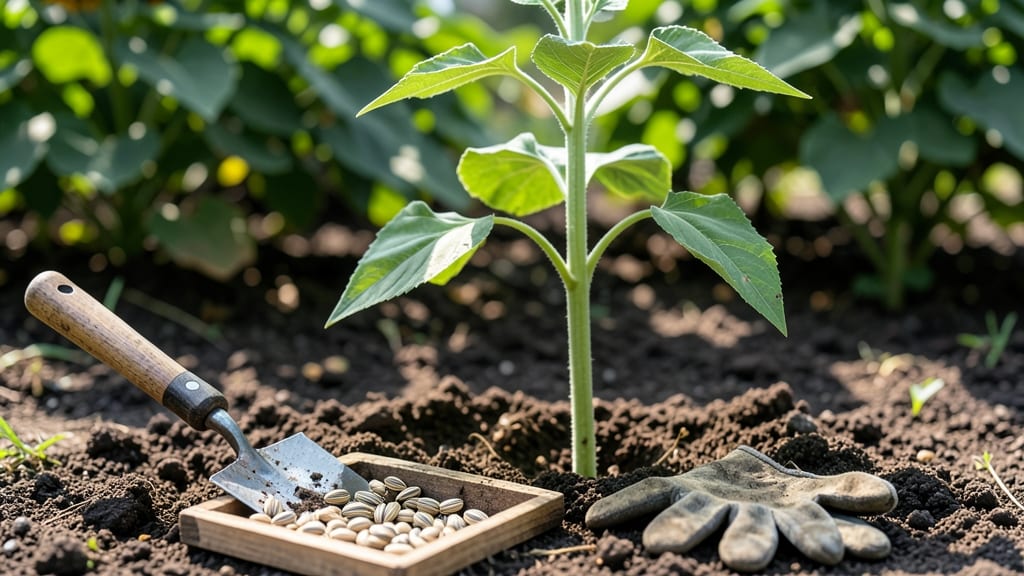
Planting sunflowers in Nebraska after the last frost—typically mid-April—sets your 🌻 seeds up for a showstopping summer display.
But here’s the catch: Nebraska’s diverse heat zones (5a to 6b) mean a two-week difference between planting in the Panhandle and the Southeast. Get it wrong, and you’ll watch your sunflowers bolt too fast or struggle in cold soil.
This guide breaks down the exact frost-free dates by county, plus soil prep tricks to ensure your sunflowers thrive from seed to 12-foot giant—no guesswork, just blooms.
You’ll learn how to adjust for late springs, pick the right varieties for your zone, and keep your sunflowers watered and fed for maximum height and seed production.
Nebraska sunflower planting dates by heat Zone: exact frost-free timelines
Nebraska’s USDA Hardiness Zones 4-6 create dramatic differences in frost-free dates, meaning your sunflower planting window can shift by weeks depending on location. In the Panhandle (Zone 4a-5a), gardeners often wait until mid-May, while Southeast Nebraska (Zone 5b-6a) may start as early as late April.
These variations are critical for germination success—sunflowers need soil temperatures above 50°F to thrive.
To simplify planning, I’ve compiled county-specific frost-free averages from UNL Extension data, along with ideal planting windows for giant, dwarf, and oilseed varieties. Whether you’re growing ‘Mammoth’ sunflowers for height or ‘Teddy Bear’ dwarfs for containers, timing directly impacts bloom size and seed production.
Let’s break down the exact frost-free timelines by Nebraska’s key heat zones.
🌱 Pro Tip: Use a soil thermometer to confirm readiness—even if frost dates suggest it’s safe, cold soil can delay germination by weeks. Aim for consistent 55°F+ soil temps before planting.
For Zone 4a gardeners in the Panhandle, patience is key—rushing sunflowers into cold soil risks rot or stunted growth. Start seeds indoors in early April and transplant after May 15.
In contrast, Zone 6a areas can direct-sow as early as April 10, giving plants a head start for taller varieties like ‘Russian Giant’.
Historical trends show that late springs (like 2019) can delay frost-free dates by 10–14 days, so monitor local weather forecasts and use row covers for early plantings. Oilseed varieties like ‘ProCut’ benefit from earlier sowing (April 20) to maximize seed yield before Nebraska’s first frost (mid-October).
If you’re growing dwarf sunflowers for containers or borders, late June plantings still work—just expect smaller blooms and shorter stems. For giant varieties, stick to the April–May window to ensure they reach maturity before frost. 🌻
Soil preparation matters just as much as timing. Amend clay-heavy soils (common in Southeast Nebraska) with compost or sand to improve drainage, while sandy soils (Panhandle) benefit from orgainc mulch to retain moisture. Test your soil’s pH (6.0–7.0 ideal) and add lime or sulfur as needed before planting.
For county-specific adjustments, check the UNL Weather Tracker for your area—some microclimates (like river valleys) may frost-free 1–2 weeks earlier than surrounding regions. In drought-prone years, prioritize deep watering over frequent shallow watering to encourage strong root development.
Remember: Sunflowers are resilient, but timing them right ensures vibrant blooms and robust seed heads. Whether you’re aiming for cut flowers, birdseed, or oil production, Nebraska’s frost-free dates are your roadmap to success. Start planning now—your sunflower dreams are just a few weeks away! 🌱
How to adjust sunflower planting for Nebraska’s unpredictable weather patterns
Nebraska’s late springs and sudden frost risks can turn your sunflower dreams into wilted disappointment if you’re not prepared. Unlike more predictable climates, Nebraska’s USDA Zones 5a-6b demand flexibility—especially when dealing with soil temperature fluctuations and drought conditions.
The key? Adjusting your planting strategy to match the weather, not the calendar.
I’ve learned the hard way that planting too early risks frost damage, while waiting too long can stunt growth before summer’s heat sets in. Nebraska’s Panhandle regions (like Scottsbluff) often see last frost dates in mid-April, while Southeast counties (like Omaha) may wait until early May.
That’s a 3-week window that can make or break your sunflowers.
Direct Sowing vs. Transplanting Sunflowers in Nebraska
Direct Sowing
- ✅ Best for late springs—plant after soil reaches 50°F
- ✅ Hardier seedlings—no transplant shock
- ✅ Cheaper—no need for starter pots
- ⚠️ Slower growth if planted late
- ⚠️ Vulnerable to pests in crowded beds
Transplanting
- ✅ Faster establishment—head start in pots
- ✅ Controlled spacing—easier to thin
- ✅ Better for short seasons—earlier blooms
- ⚠️ Transplant shock risk if not hardened off
- ⚠️ More expensive—requires seedling trays
*Use row covers for direct-sown seeds if frost threatens after planting.
For direct sowing, I recommend waiting until soil temperatures consistently hit 50°F—use a soil thermometer to avoid guesswork. Plant seeds 1 inch deep and 6 inches apart, then thin to 12-24 inches as they grow.
If you’re in a drought-prone area like the Sandhills, consider mulching with straw to retain moisture.
If you opt for transplanting, start seeds indoors 4-6 weeks before your last frost date. Harden them off by placing trays outside for 2-3 hours daily the week before transplanting. Choose cloudy days to reduce stress, and water deeply before and after moving them to the garden.
Don’t overlook companion planting—sunflowers pair well with bush beans (which fix nitrogen) and marigolds (which deter pests). Avoid planting near potatoes, as they compete for nutrients. For extra protection, use floating row covers if frost threatens after germination.
Finally, adjust your watering schedule based on Nebraska’s unpredictable rains. Young sunflowers need 1-2 inches of water weekly, but established plants are drought-tolerant. Water deeply in the morning to prevent fungal diseases like powdery mildew, which thrives in Nebraska’s humid summers.
With these adjustments, your sunflowers will thrive despite Nebraska’s whims, rewarding you with towering blooms and bountiful seeds—no matter what Mother Nature throws your way. 🌻