
Flowers
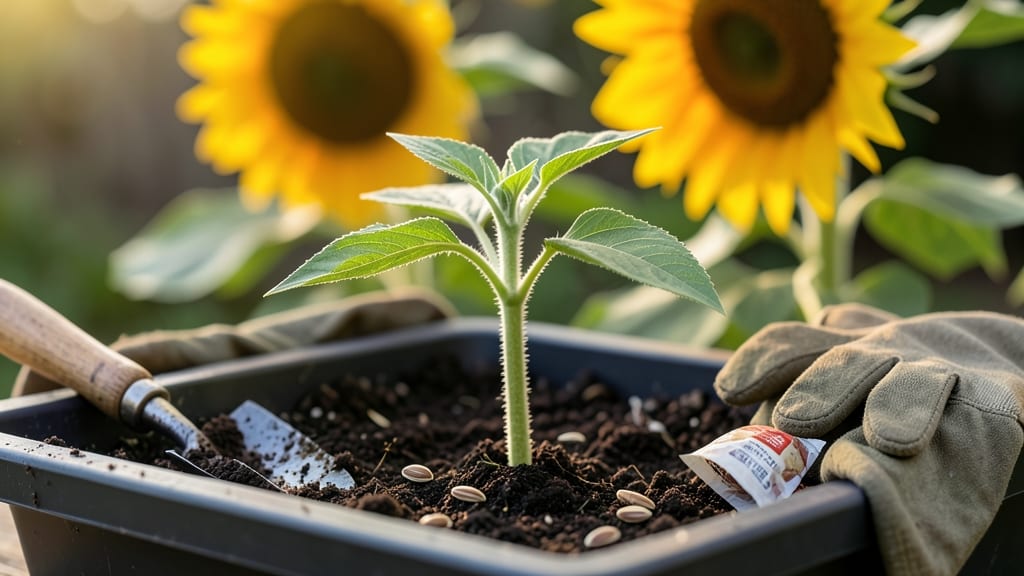
Planting sunflowers in North Florida means timing it right—mid-March to early May or late August—to avoid frost and heat stress.
Picture this: your 🌻 sunflowers towering over your garden by summer, their golden faces tracking the sun like tiny mirrors. But miss that sweet spot, and you’re left with either leggy seedlings or flowers that bolt before they bloom.
The key? Knowing when the last frost passes and how fast your variety grows.
North Florida’s 8a zone gives you a 210-day frost-free window, but not all sunflowers mature in time if planted too late. Spring plantings need to be in by early May, while late-summer seeds go in by August for fall blooms.
The right variety makes all the difference—dwarf types for containers or giants for drama.
Below, I’ll break down the exact months to plant, how to prep your soil, and which sunflowers handle North Florida’s heat best. Ready to grow a garden that turns heads?
North Florida sunflower planting calendar: month-by-month frost-free guide
North Florida’s USDA Zone 8a climate offers a 210-day frost-free window, perfect for sunflowers that love warmth. The last average frost date is March 15, and the first frost typically arrives November 15.
This means you can grow sunflowers year-round with the right timing—spring or late summer plantings both work beautifully. The key is avoiding late spring frosts and summer heat spikes that can stress young plants.
Sunflowers are annuals in North Florida, meaning they complete their life cycle in one season. For the biggest blooms, aim to plant when soil temperatures reach 55°F or warmer.
This usually aligns with mid-March to early May for spring plantings and late August for a fall harvest. Direct sowing is the easiest method, but you can also start seeds indoors 4-6 weeks before the last frost if you prefer transplants.
Soil preparation is critical—sunflowers thrive in well-draining, slightly acidic soil (pH 6.0-7.0). Work in 2-3 inches of compost before planting to improve fertility. Since North Florida’s soil is often sandy and nutrient-poor, a balanced 10-10-10 fertilizer at planting time gives them a strong start. Always plant seeds 1 inch deep and 6 inches apart to prevent overcrowding.
For spring plantings, focus on March to early May to avoid late frost damage. Choose dwarf varieties like 'Teddy Bear' (2-3 feet tall) if you’re in Jacksonville’s humid coastal zone, as they handle heat better.
In Gainesville’s inland climate, taller varieties like 'Mammoth' (10-14 feet) thrive with consistent watering during dry spells. Always monitor soil moisture—sunflowers need 1-2 gallons of water per week once established, but overwatering can cause root rot.
If you want a fall harvest
How to extend sunflower season: 3 pro tips for early/late planting success
North Florida’s long growing season gives you flexibility, but humidity and heat spikes can stunt sunflowers if you plant at the wrong time. The key to extending your season? Strategic timing and smart variety choices.
I’ve grown sunflowers here for years, and these three pro tips will help you push your planting windows safely—whether you’re aiming for early spring blooms or late-summer drama.
First, let’s tackle the biggest challenge: heat stress. Sunflowers love warmth, but when temperatures hit 90°F+ before they mature, they bolt (flower too early) or develop weak stems. The solution? Fast-maturing varieties and shade cloth during peak afternoons.
For example, ‘Teddy Bear’ matures in just 50 days, perfect for late August plantings that still bloom before frost.
Here’s how to extend your sunflower season like a pro:
One mistake I see often? Planting sunflowers too deep. Seeds need 1 inch of soil coverage max—any deeper, and they’ll rot before sprouting. In North Florida’s sandy soil, mix in compost or aged manure to improve moisture retention.
Water deeply once a week (1-2 gallons per plant) after germination, then taper to bi-weekly once established.
For late plantings, aim for mid-August to give sunflowers 80-90 days to mature before frost. Use dwarf varieties like ‘Sunspot’ (3-4 ft tall) in containers if space is limited—they’re perfect for patios or small gardens.
And here’s a pro tip: Harvest seeds early by cutting heads when petals turn brown. Hang them upside down in a dry, dark place for 2 weeks to dry completely.
Remember, sunflowers are annuals in North Florida, so don’t stress about overwintering. Focus on soil prep, variety selection, and seasonal adjustments, and you’ll enjoy sunflowers from June through November—or even longer with these tricks! 🌻