
Flowers
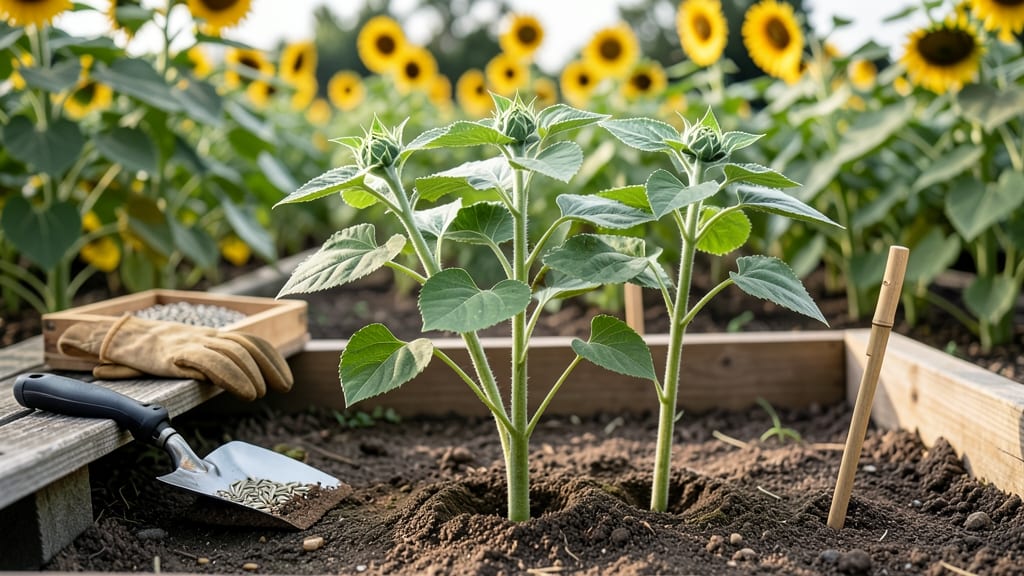
To plant sunflowers in Ohio, wait until soil temperatures reach 60-65°F—typically after your last frost date, which usually lands between mid-April and early May.
Ohio gardeners know timing is everything—plant sunflowers too early, and frost will nip them in the bud; too late, and you’ll miss the towering summer blooms. The secret? Waiting for soil temperatures to hit the perfect range for fast germination and robust growth.
This window—usually April 15 to June 1—gives those 🌻 seeds the warmth they need to sprout quickly and grow into those iconic 8- to 14-foot giants.
Skip the guesswork with soil thermometers or these simple checks: damp soil should feel warm to the touch, and weeds should already be sprouting.
Below, I’ll break down the exact steps to time your planting for fast germination, the best sunflower varieties for Ohio’s short season, and how to stretch your harvest with succession planting.
Ohio sunflower planting calendar by soil temperature Zones
Ohio’s diverse climate—from the cool lakeside regions of the north to the warmer southern valleys—means sunflower planting windows vary dramatically. While the average last frost date is April 15, soil temperatures tell the real story.
Sunflower seeds need consistent warmth (60-65°F) to germinate reliably, and checking your local zone ensures you don’t waste seeds on a false spring. Grab a soil thermometer and let’s pinpoint your perfect planting window.
Ohio spans USDA Zones 5b to 7a, creating microclimates where a northern Cleveland garden might need 2 extra weeks of waiting compared to a southern Cincinnati plot. The key? Soil temperature, not just air temperature.
Even if daytime highs hit 70°F, cool night soils can stall germination. Test your soil’s warmth in the morning (before sun heats it) for the most accurate reading.
| Zone | Last Frost Date | Planting Window | Soil Temp Goal | Microclimate Tip |
|---|---|---|---|---|
| 5b (Northeast) | May 1 | May 15–June 1 | 60–65°F (15–18°C) | Wait for lake-effect warmth; use black plastic mulch to speed soil heating. |
| 6a (Northwest) | April 25 | May 1–May 15 | 60–65°F (15–18°C) | Urban areas warm faster; test soil near pavement for earlier planting. |
| 6b (Central) | April 15 | April 25–May 10 | 60–65°F (15–18°C) | Loamy soils warm quicker; avoid low-lying areas prone to cold air pooling. |
| 7a (Southwest) | March 25 | April 10–April 25 | 55–60°F (13–15°C) | Early planting possible; use row covers for late frosts. |
| 7b (Southern) | March 15 | March 25–April 10 | 55–60°F (13–15°C) | Longest growing season; successions plant through June for fall blooms. |
For northern Ohio gardeners in Zones 5b-6a, patience is key. The Great Lakes region often experiences late spring frosts, so mark your calendar for May 15 as the safest bet.
Use black plastic mulch or clear plastic tunnels to raise soil temperatures by 5–10°F if you’re eager to start earlier. Pro tip: Plant near south-facing fences or dark-colored containers to create microclimates that warm faster.
Central Ohio (Zone 6b) offers the most forgiving window—April 25 to May 10—because loamy soils heat up reliably by then.
If you’re in Columbus or Dayton, test soil temps in morning shade; if it’s below 60°F, wait another week. Urban heat islands (like downtown Cincinnati) can push planting back by 10 days, so rural areas often get the edge for early blooms.
Southern Ohio (Zones 7a-7b) is where bold gardeners experiment with March planting. The Ohio River Valley can hit 60°F by late March, but late frosts still lurk. Use row covers or plant near stone walls that absorb daytime heat.
For succession planting, sow seeds every 2 weeks through June to enjoy blooms until first frost in October.
Don’t rely on air temperature alone—soil thermometers are your germination insurance. Insert the probe 1 inch deep (sunflower seed depth) and wait 30 seconds for an accurate reading.
If temps dip below 55°F, seeds may rot instead of sprout. For fastest results, aim for consistent 65°F+ soils for 3+ days before planting.
Microclimates matter more than zones in Ohio. A shady backyard in Zone 6b might need the same May 15 planting date as a Zone 5b garden. Observe your space: South slopes warm 2 weeks earlier than north-facing beds, and paved surfaces create heat pockets perfect for early sowing.
Even a 10-foot difference in elevation can shift your planting window by 5–7 days.
For container growing, soil heats up 2–3
5 Signs your Ohio soil is ready for sunflower seeds (and 3 common mistakes)
Ohio’s spring soil can be tricky—too cold, and your 🌻 sunflower seeds won’t germinate; too dry, and they’ll shrivel before sprouting. The key is spotting 5 clear signs your soil is primed for planting, like warmth to the touch and active weed growth.
These cues save you from the 3 common mistakes that kill germination rates, like planting too deep or overwatering.
First, check the soil temperature—it should consistently stay above 60°F during the day. Use a soil thermometer or press your hand into the soil: if it feels warm (like a cozy bath), it’s ready.
This usually happens 2-3 weeks after Ohio’s last frost date, which varies from mid-April in southern Ohio to early May in the north.
- 🌡️ Soil temp hits 60-65°F (use a thermometer or finger test)
- 🌱 Weeds are actively sprouting in garden beds
- 💧 Top inch of soil stays moist but isn’t soggy
- ☀️ Daytime temps stay above 55°F consistently
- 🌿 Earthworms are visible after light rain
Next, watch for weed activity—if dandelions or crabgrass are popping up, your soil is warm enough for sunflowers. Dig a small hole to check moisture levels: the top inch should feel damp but not waterlogged.
If it’s bone-dry, water lightly the day before planting to prep the seedbed. Pro tip: Mulch after planting to lock in moisture and keep roots cool.
Now, let’s talk mistakes. Planting too deep is a silent killer—bury seeds more than 1 inch deep, and they’ll rot before sprouting. The same goes for overwatering: sunflower seeds need moisture, but soggy soil suffocates them.
Aim for 1-2 gallons of water per week once they’re up, focusing on the root zone rather than overhead sprinkling.
Finally, avoid the third mistake: rushing the process. Even if your neighbor’s sunflowers are already 2 feet tall, wait for your soil’s cues. Cold snaps after planting can stall growth for weeks.
For a foolproof timeline, mark your calendar for June 1 as the cutoff—any later, and your sunflowers may bolt before flowering. With these signs in mind, you’ll have bold, healthy stalks reaching for the sky by summer!