
Flowers
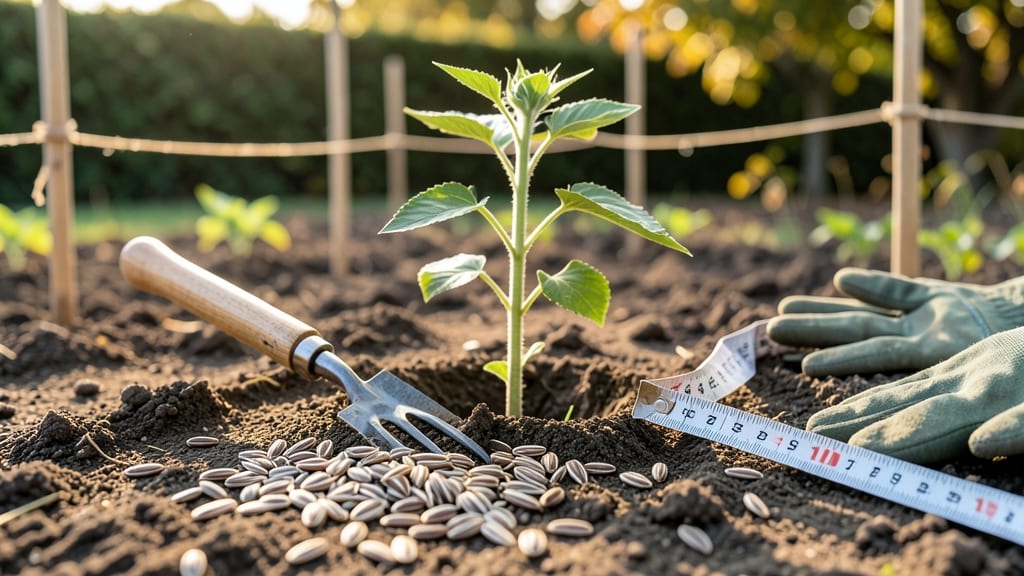
Plant sunflowers in Oklahoma after your last frost date — typically mid-April for most of the state, but earlier in southern regions like Zone 8a.
Oklahoma’s unpredictable climate can make or break your sunflower harvest—plant too early, and frost will strike; too late, and your stalks may never reach their full towering potential. But with the right frost-date formula, you can unlock sunflowers that tower over your garden fence every season.
Most gardeners in USDA Zones 6b-8a should aim for a planting window between mid-April and early June, when soil temperatures hit at least 50°F. This ensures strong germination and enough time for 60-120 days of growth before the first frost.
In this guide, you’ll discover the exact frost-date formula for your Oklahoma region, the best sunflower varieties for your zone, and how to adjust planting times for giant stalks versus quick-blooming dwarf types.
Oklahoma sunflower planting dates by USDA Zone: frost-date formula explained
Oklahoma’s USDA Zones 6b-8a create a unique challenge for sunflower growers. The average last frost dates vary dramatically—from March 15 in northern Oklahoma to as early as February 15 in southern regions.
This means your planting window could shift by 6 weeks depending on where you live. Understanding these variations helps you avoid frost damage while maximizing your sunflowers' towering potential.
Sunflowers thrive in warm soil, so waiting for consistent daytime temperatures above 50°F is critical. In Zone 6b, this typically aligns with mid-April, while Zone 8a gardeners can start as early as late March.
Using a frost-date calculator based on your specific location ensures you time your planting perfectly for 60-90 days of growth before the first frost.
Here’s the key: Giant sunflower varieties like 'Russian Giant' need 120 days to mature, while dwarf varieties like 'Teddy Bear' reach maturity in just 45-55 days. This difference means your planting window should account for both variety type and local frost dates to guarantee a successful harvest.
For example, if you’re in Tulsa (Zone 7a) with an average last frost of April 1, planting 'Russian Giant' seeds on May 1 gives them enough time to mature before the first frost in November.
However, planting the same variety on April 15 in Lawton (Zone 7b) risks frost damage if an early chill arrives.
🌱
| USDA Zone | Avg. Last Frost | Ideal Planting Window | Giant Varieties (120 Days) | Dwarf Varieties (45-55 Days) | Adjustment for Early Start |
|---|---|---|---|---|---|
| 6b (Northern OK) | March 15 - April 1 | Mid-April to early May | Plant by May 15 for harvest | Plant by April 15 | Use row covers if planting early |
| 7a (Central OK) | March 25 - April 10 | Late March to mid-April | Plant by May 1 | Plant by April 1 | Start indoor seeds in March |
| 7b (South-Central OK) | March 1 - March 15 | Late February to early April | Plant by April 15 | Plant by March 15 | Direct sow as early as February 20 |
| 8a (Southwest OK) | February 15 - March 1 | Late January to mid-March | Plant by April 1 | Plant by March 1 | Consider fall planting for winter blooms |
To calculate your personalized frost-date formula, start by checking your local average last frost date (use the Old Farmer’s Almanac or NOAA climate data). Subtract 90 days for giant varieties or 45 days for dwarf varieties to determine your earliest safe planting date.
For example, if your last frost is April 5, subtract 90 days to get January 6—but since soil won’t be warm enough, aim for mid-April.
For container gardening, adjust your timing by 2-3 weeks later since pots warm up slower than in-ground soil. If you’re using black plastic mulch, you can plant 1-2 weeks earlier because it warms the soil faster.
Always test soil temperature with a soil thermometer—sunflowers won’t germinate well in cold soil below 50°F.
Pro tip: Direct sowing is best for sunflowers, but if you’re in Zone 6b, start indoor seeds in late March under grow lights to get a head start.
Transplant seedlings outdoors after the last frost, but be gentle—their tender roots can shock easily. Harden them off for 5-7 days before moving them outside.
Remember, Oklahoma’s weather is unpredictable. Keep an eye on 10-day forecasts and have row covers ready if an unexpected frost threatens. With the right timing, your sunflowers will reach heights of 10-14 feet, becoming the stunning centerpiece of your garden.
☀️
5 Critical factors that change sunflower planting time in Oklahoma
While Oklahoma’s last frost dates (typically mid-March to early April) provide a starting point, your sunflower planting window can shift dramatically based on five key factors.
Each of these—soil temperature, drought risk, microclimates, container adjustments, and variety selection—can push your ideal planting date 2-4 weeks earlier or later. Ignoring them might mean sunflowers that bolt too quickly or fail to mature before Oklahoma’s first frost in November.
Let’s break down how these factors interact. For example, urban gardens in Oklahoma City often experience heat islands that warm soil faster than rural areas, while container-grown sunflowers dry out 30% faster than in-ground plants.
Meanwhile, drought-tolerant varieties like 'Autumn Beauty' can handle Oklahoma’s unpredictable summer rains better than moisture-loving 'Russian Giants'. These nuances mean your neighbor’s perfect timing might not work for your garden.
Plant only when soil reaches 50°F+ (use a soil thermometer). Northern OK (Zone 6b) may need to wait until mid-April, while southern OK (Zone 8a) can start as early as late February.
Avoid planting in May-June if drought warnings are active. Shift to April or use mulch to retain moisture—sunflowers wilt faster in Oklahoma’s clay-heavy soils during dry spells.
City gardens (e.g., Oklahoma City) can plant 2 weeks earlier due to urban heat, while rural areas (e.g., Woods County) may need to delay until late April to avoid late frosts.
Containers dry out 30% faster—plant 2-3 weeks later than in-ground. Use 5-gallon pots with drainage holes and water daily during germination. Dwarf varieties (e.g., 'Teddy Bear') adapt better.
Fast varieties like 'Moulin Rouge' (50 days) can plant 4 weeks later than 'Russian Giant' (120 days). Match your variety to Oklahoma’s 180-220 frost-free days.
Here’s how to apply these factors to your garden. Start by checking your local USDA zone—Oklahoma spans 6b to 8a, which affects both frost dates and soil warming.
For example, in Tulsa (Zone 7a), aim for early April planting, while Lawton (Zone 7b) can start in late March. Use a soil thermometer to confirm readiness; sunflowers won’t germinate below 50°F.
For container gardeners, delay planting until mid-April and choose dwarf varieties like 'Little Becka' to avoid stunted growth. These sunflowers thrive in 5-gallon pots but require daily watering during Oklahoma’s 90°F+ summers. Pro tip: Add perlite to potting mix to improve drainage and prevent root rot.
Don’t overlook microclimates—your backyard might be 5°F warmer than a neighbor’s due to pavement or trees. Test your spot by planting a test crop (like radishes) 2 weeks before your target date.
If they thrive, your sunflowers are ready. Urban areas like Norman often see earlier soil warming, while western Oklahoma (e.g., Altus) may need to wait until late April.
Finally, Oklahoma’s unpredictable summer rains can drown sunflower seedlings if planted too early. Shift your timeline to late April if drought warnings are active, or use raised beds with mulch to regulate moisture. For giant varieties, prioritize early April planting to ensure they mature before first frost in November.