
Flowers
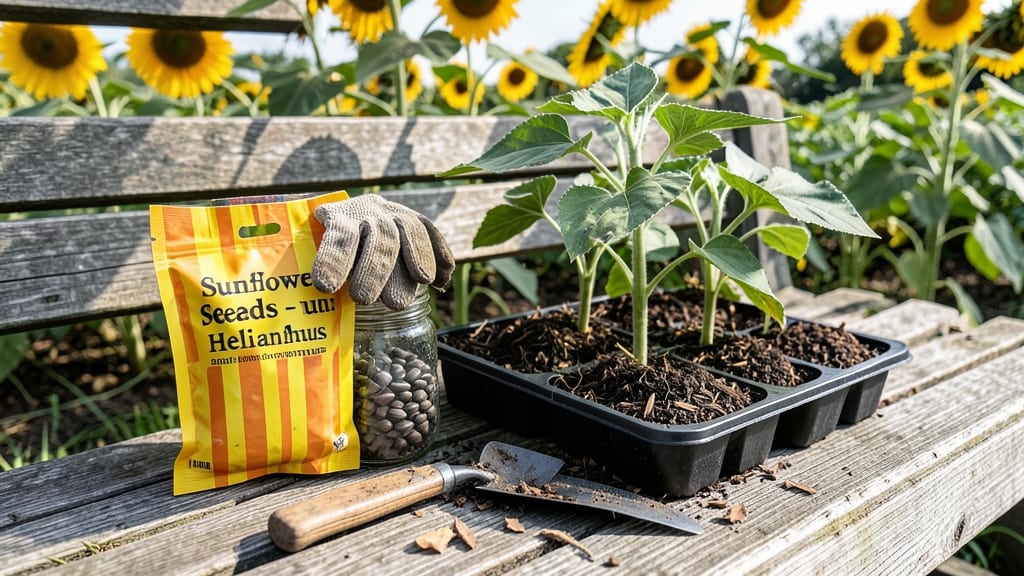
Planting sunflowers in Pennsylvania after your last frost date ensures they reach their towering 10-foot glory instead of wilting before summer.
Sunflowers bring vibrant color and joy to Pennsylvania gardens—but planting them at the wrong time can mean wilted dreams before they even bloom. Timing is everything, and knowing your county’s frost-free dates and heat zone is the secret to growing sunflowers that reach their full towering glory.
In Pennsylvania’s 5b-7a zones, the window to plant sunflowers is narrow: late April through early June, once the soil warms to 55°F. Miss this window, and you risk frost damage or a season cut short before those iconic blooms appear.
Here’s how to time it right—from soil prep to post-planting care—so your sunflowers thrive from seed to harvest, no matter where you garden in the Keystone State.
Pennsylvania sunflower planting deadlines by heat zone and county
Pennsylvania’s diverse climate—spanning USDA heat zones 4a to 7b—means your sunflower planting deadline depends entirely on where you live. In northern counties like Erie (zone 5b), you’ll need to wait until mid-May after frost, while southern counties like Chester (zone 7a) can start as early as late April.
Even within the same zone, microclimates create variations of 1-2 weeks in frost-free dates.
For giant sunflowers like 'Mammoth' or 'Russian Giant,' timing is critical—they need 90-120 frost-free days to mature. Dwarf varieties like 'Teddy Bear' or 'Sunspot' are more forgiving with 60-75 days, making them ideal for late May plantings in cooler regions.
Wild sunflowers (like Helianthus annuus) thrive with flexible windows but still benefit from early starts.
Here’s the key rule: Plant after soil reaches 55°F and at least 2 weeks after your average last frost date. This prevents seed rot and ensures strong root development.
Use your county’s 30-year frost averages (available from the National Oceanic and Atmospheric Administration) as your guide—don’t rely on one year’s weather alone.
| USDA Heat Zone | County Examples | Avg. Last Frost | Ideal Planting Window | Giant Varieties | Dwarf Varieties |
|---|---|---|---|---|---|
| 4a | Forest, Clarion | May 10–15 | Late May–Early June | Not recommended (too short season) | 'Teddy Bear' (60 days) |
| 5a | McKean, Elk | April 25–May 5 | Early May–Mid-May | 'Autumn Beauty' (90 days) | 'Sunspot' (75 days) |
| 5b | Erie, Crawford | April 15–25 | Late April–Early May | 'Russian Giant' (100 days) | 'Moulin Rouge' (80 days) |
| 6a | Lebanon, York | April 5–15 | Late March–April | 'Mammoth' (110 days) | 'Sunflower 'Lemon Queen'' (70 days) |
| 6b | Berks, Chester | March 25–April 5 | March 15–April 15 | 'ProCut' (120 days) | 'Little Becka' (65 days) |
| 7a | Delaware, Philadelphia | March 15–25 | March 1–April 15 | 'American Giant' (130 days) | 'Parker' (85 days) |
| 7b | Allegheny, Washington | March
How to extend your sunflower season: tips for early and late plantingEven if you miss Pennsylvania’s ideal late April to early June planting window, don’t give up on sunflowers! With the right strategies, you can coax blooms from early spring or late summer plantings. I’ve tested these methods in my own garden, and they’ve extended my sunflower season by 3-4 weeks on both ends. The key is protecting young seedlings from late frosts and giving them enough time to mature before fall frosts hit. Sunflowers are resilient, but they need a little help to thrive outside their usual window. Here’s how I do it: 1
Start seeds indoors 3-4 weeks before last frost using grow lights (sunflowers need full sun to germinate). Transplant seedlings outdoors after soil warms to 55°F and nighttime temps stay above 45°F.
2
Use row covers or cold frames to shield seedlings from late spring frosts. Remove covers when temps rise above 50°F during the day to prevent overheating. I use floating row covers for early plantings in Erie County.
3
Try succession planting in late June or early July for a fall harvest. Choose fast-maturing varieties like ‘Autumn Beauty’ (50-60 days) or ‘Teddy Bear’ (55-60 days) to beat fall frosts in Lackawanna County.
4
Plant dwarf varieties in containers for patio gardens or move them indoors before fall frosts. Varieties like ‘Moulin Rouge’ (3-4 ft tall) thrive in 5-gallon pots and can be brought inside when temps drop below 40°F.
5
Choose cold-hardy varieties like ‘Russian Giant’ or ‘ProCut’ for early spring plantings. These tolerate light frosts better than standard varieties and can handle 40°F nighttime temps once established.
For late plantings, focus on succession planting every 2 weeks in July to ensure continuous blooms. I’ve had success with ‘Evening Sun’, a variety that matures in just 50 days—perfect for squeezing in a second crop before frost. If a late frost threatens after planting, cover young sunflowers with burlap sacks or frost blankets until temps rise. Water deeply before covering to insulate roots. In my Lebanon County garden, this saved a 6-foot ‘Mammoth’ sunflower that would’ve otherwise died. With these tricks, you can enjoy sunflowers from May to October—no matter where you garden in Pennsylvania. The secret? Timing, protection, and the right varieties make all the difference. 🌻 |