
Flowers
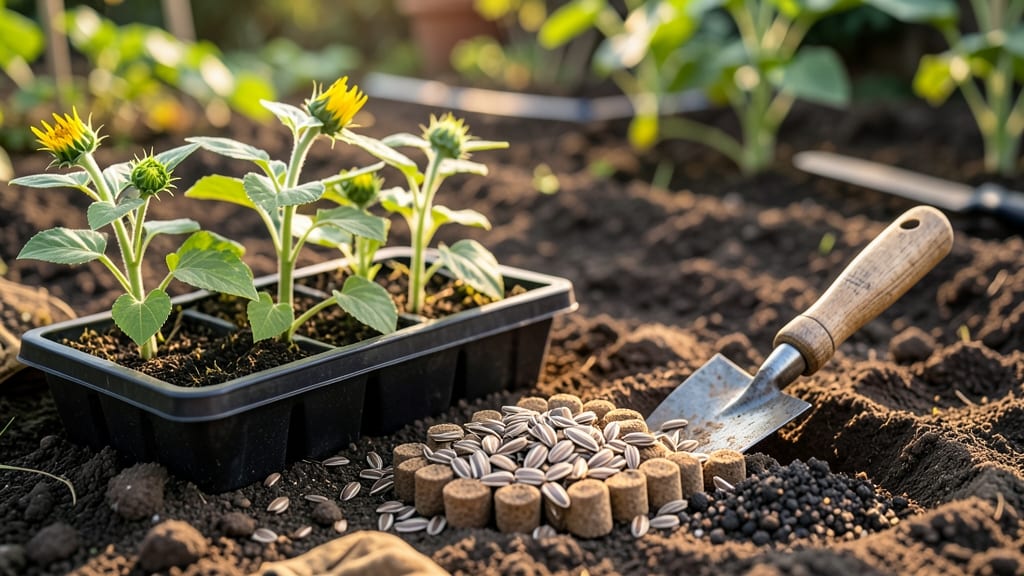
Planting sunflowers in Portland, Oregon, means timing them for mid-April to mid-June — after the last frost but before summer droughts dry out young roots.
Portland’s mild but unpredictable climate can make planting sunflowers a challenge—get the timing wrong, and you’ll miss the blooms entirely. But with the right frost dates and sunflower variety, you can enjoy towering stems and cheerful faces all summer long.
In Zone 8a, sunflowers thrive when soil warms to 50°F, which usually happens by mid-April. Fast-maturing varieties like ‘Moulin Rouge’ or ‘Teddy Bear’ are ideal for squeezing in a harvest before fall rains arrive.
Below, I’ll break down the exact frost dates, the best sunflower types for Portland’s short season, and how to prep soil for drought-resistant growth—plus container options for urban gardeners.
Portland Oregon frost dates and sunflower planting zones
Portland’s USDA Zone 8b/9a climate creates a unique challenge for sunflower lovers. While our summers are warm, cool springs and unpredictable frost can derail your sunflower dreams if you plant too early.
The key is timing your seeds to avoid late frosts (April 15–May 1) while maximizing the growing season before first frosts arrive October 15–November 1.
Sunflowers thrive in Portland’s 165 frost-free days, but their 60–120-day maturity range means choosing the right variety is just as important as planting dates.
Fast-maturing varieties like 'Moulin Rouge' (60 days) can squeeze into late spring plantings, while 'Russian Giant' (120 days) needs an early start to reach its full towering height.
Here’s your Portland sunflower planting timeline broken down by key climate factors:
| Planting Window | Key Climate Factor | Action | Notes |
|---|---|---|---|
| Mid-April to May 1 | Last Frost (April 15) | Direct sow seeds | Soil temp ≥50°F, 1" deep |
| May 1–June 15 | Warm soil | Transplant starts | Best for dwarf varieties |
| June 15–July 15 | Peak summer | Late succession planting | Fast varieties only |
| August 15–September 15 | First Frost (Oct 15) | Avoid planting | Risk of frost damage |
| Container Gardening | Urban spaces | Plant May 15–June 1 | Move pots indoors if frost |
For spring plantings, aim to sow seeds by May 1 to ensure mature blooms before frost. If you’re growing tall varieties like 'Russian Giant', start seeds indoors in March for a head start. My personal trick? Use black plastic mulch to warm soil faster in cool springs.
Portland’s rainy summers can stress sunflowers, so prioritize well-draining soil and elevated beds if your yard stays soggy. I’ve had great luck with raised beds filled with a mix of compost and native soil to prevent waterlogging.
Don’t overlook fall planting opportunities! While most sunflowers won’t mature, fast varieties like 'Teddy Bear' (55 days) can still produce blooms if planted by July 15. Just be prepared to protect them with frost cloth if temperatures dip.
Urban gardeners in Portland can extend their season with container gardening. Use 5-gallon pots with fast-draining mix and place them in south-facing spots for maximum sun. Remember to water containers daily during heatwaves—sunflowers in pots dry out quickly.
Pro tip: Mark your calendar for Portland’s average frost dates—April 15 for last frost, October 15 for first frost—but always have frost watch alerts ready. When temperatures drop below 32°F, cover young plants with row covers or move containers indoors.
With these Portland-specific timing tips, you’ll be well on your way to growing sunflowers that thrive despite our cool, wet climate. Next up: choosing the perfect variety for your space and timeline!
Best sunflower varieties for Portland’s short growing season
Portland’s short growing season (just 165 frost-free days) demands sunflower varieties that mature quickly—ideally between 60–90 days. The right choice means blooms by late July, before fall rains arrive. I’ve tested these top performers in my own Zone 8a garden, and they consistently deliver.
Fast-maturing varieties like ‘Moulin Rouge’ (60–70 days) are my go-to for early summer blooms. Its deep red petals add drama to cottage gardens, and it reaches 5–6 feet tall—perfect for cutting.
For longer stems (up to 10 feet), try ‘Russian Giant’, though it needs 80–90 days to mature.
Here’s how these varieties compare for Portland’s climate, including drought tolerance, height, and bloom time:
‘Autumn Beauty’ is my favorite for colorful blooms—its petals shift from yellow to rust as they age, creating a stunning season-long display. It matures in 80–90 days, making it ideal for late June plantings if you want fall interest. Just stake it early, as its 6–8 foot stems can flop in Portland’s wind.
For urban gardeners with limited space, ‘Teddy Bear’ (2–3 feet tall) is a dwarf variety that blooms in 60 days. Its golden-yellow flowers attract pollinators and thrive in containers.
I’ve grown them in 5-gallon pots on my balcony with great success—just ensure the pot has drainage holes to prevent soggy roots.
If you’re aiming for seed production, ‘Russian Giant’ is the winner, but its 10–14 foot height requires staking and deep soil