
Flowers
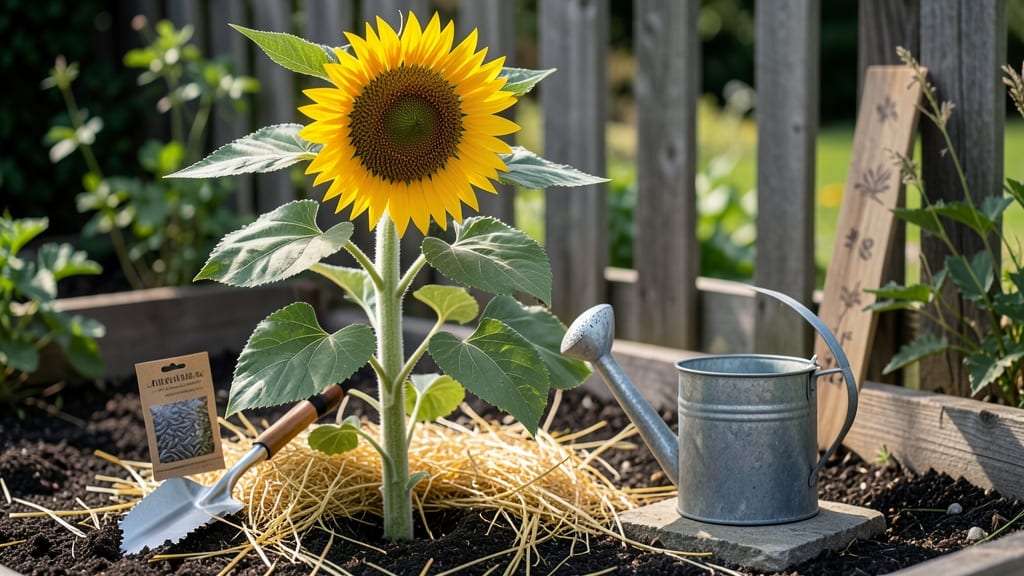
Plant sunflowers in Tennessee after the last frost date, typically between mid-April and early June for USDA Zones 6a-7a, to give them the 180-220 frost-free days they need to reach their full height.
Sunflowers aren’t just cheerful additions to your garden—they thrive best when planted at the perfect time in Tennessee’s climate. Get it wrong, and you risk stunted growth or frost damage.
Most Tennessee gardeners skip starting seeds indoors, since sunflowers germinate quickly in warm soil. Instead, sow directly into the ground once nighttime temperatures stay above 50°F.
Below, I break down the exact planting windows for your zone, the best varieties for Tennessee’s growing season, and how to keep your 🌻 sunflowers thriving from seed to harvest.
Tennessee sunflower planting calendar: exact dates by USDA Zone 6a vs 7a
Sunflowers in Tennessee need precise timing to avoid frost damage and maximize growth. Zone 6a (cooler) has a shorter growing window than Zone 7a (warmer), so your planting dates must align with local frost patterns.
The key is planting after the last frost date—typically mid-April in Zone 6a and early April in Zone 7a—when soil temperatures reach 50°F (10°C) or warmer.
Most Tennessee gardeners plant sunflowers directly in the ground, skipping indoor starts since they germinate quickly in warm soil. Giant varieties like 'Russian Giant' need 90-120 days to mature, while dwarf types like 'Teddy Bear' mature in 50-60 days.
This means timing matters—plant too early, and you’ll lose plants to frost; too late, and you’ll miss peak blooms.
| Factor | USDA Zone 6a | USDA Zone 7a |
|---|---|---|
| Last Frost Date | Mid-April (April 15) | Early April (April 1) |
| Optimal Planting Window | April 20–May 15 | April 10–May 30 |
| Soil Temperature Threshold | 50°F (10°C) | 50°F (10°C) |
| First Frost Risk | October 15 | October 30 |
| Giant Variety Deadline | June 1 (90-day maturity) | June 15 (120-day maturity) |
| Dwarf Variety Deadline | July 1 (60-day maturity) | July 15 (60-day maturity) |
For Zone 6a, aim to plant giant sunflowers by June 1 to ensure they mature before the first frost in mid-October. In Zone 7a, you have until June 15 for the same varieties.
Dwarf sunflowers are more forgiving—plant them as late as July 1 in both zones for fall blooms. Use a soil thermometer to confirm temperatures are above 50°F (10°C) before planting.
If you’re growing oilseed sunflowers (like 'NuSun'), prioritize early planting in Zone 6a (by April 20) since they need 100+ days to produce edible seeds. In Zone 7a, you can extend planting to May 1.
Always check your local Almanac frost dates—they can vary by 1-2 weeks even within the same zone.
Pro tip: Succession plant dwarf sunflowers every 2 weeks in May and June for continuous blooms. This works especially well in Zone 7a, where the growing season stretches longer. Just ensure each batch gets 6-8 hours of full sun daily—sunflowers won’t tolerate shade.
Watch for false springs in early April, where warm weather tricks you into planting too soon. A late frost can wipe out young seedlings. Harden off transplants for 3-5 days if starting them indoors (though most gardeners skip this step for sunflowers).
Mulch with straw or grass clippings after planting to retain soil moisture and regulate temperature.
In Zone 6a, consider row covers for early plantings to protect against unexpected cold snaps. Zone 7a gardeners can push the envelope with late July plantings of dwarf varieties, but monitor weather forecasts for early frost warnings.
Always plant seeds 1 inch deep and 6-12 inches apart, depending on the variety’s mature size.
Harvest time varies by variety: giant sunflowers in Zone 6a may need to be dug up before frost (late
5 Critical factors that determine your sunflower planting success in Tennessee
Perfect timing alone won’t guarantee sunflower success in Tennessee’s humid climate. The real magic happens in the soil prep, moisture balance, and sunlight exposure you provide.
I’ve grown sunflowers in both Zone 6a and Zone 7a and learned these five factors make the biggest difference between wilted stems and 10-foot giants.
Tennessee’s summer heat and occasional drought stress sunflowers more than many gardeners realize. The key is well-draining soil mixed with organic matter to retain moisture while preventing root rot. Most local garden centers sell compost blends perfect for this—just avoid heavy clay soils unless amended.
Here’s what I prioritize to maximize sunflower yields in Tennessee:
One mistake I made early on was overwatering sunflowers—especially in Tennessee’s Zone 6a where clay soils can suffocate roots. Always check soil moisture by sticking your finger 2 inches deep. If it’s dry, water; if it’s damp, wait. This simple check saves 90% of my plants from root rot.
For maximum height, stake tall varieties like ‘Mammoth’ with bamboo stakes tied loosely at the base. In my Zone 7a garden, this prevents wind damage during summer storms. Even dwarf varieties benefit from light support if grown near fences or trellises.