
Flowers
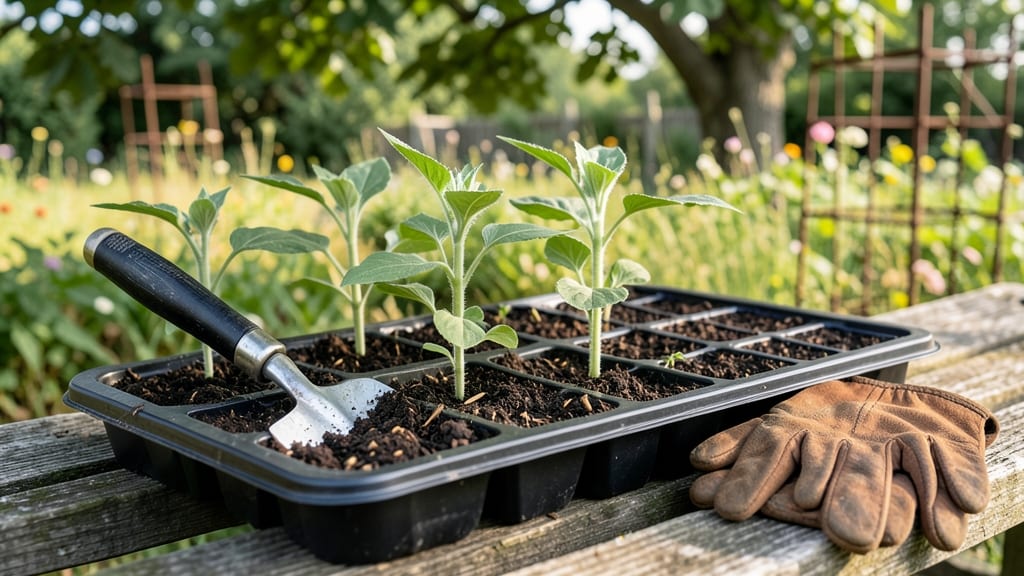
To plant sunflowers in Washington State, aim for late April to early May in most inland areas and wait until mid-May near the coast 🌻 — timing makes all the difference for those towering blooms.
Washington’s climate throws a curveball: coastal regions stay chilly well into spring, while inland valleys can bake by June. Miss the window, and you’ll either watch your seeds rot in cold soil or see your sunflowers bolt before they reach their full height.
This guide breaks down the exact frost-free dates by zone, soil temperature tricks to speed up germination, and how to adjust for late springs or early heatwaves. Whether you’re in the Puget Sound or the Columbia Basin, these tips will help you grow sunflowers that thrive—not just survive.
You’ll also discover the best varieties for your microclimate, from dwarf types for containers to giants that need the long inland summers. Let’s get those seeds in the ground at the perfect moment!
Optimal sunflower planting dates by Washington climate Zone
Washington State’s climate creates two distinct sunflower planting worlds: the coastal regions (USDA Zones 7-8) with mild, damp springs and the inland valleys (Zones 5-6) where summers arrive with a vengeance.
These differences mean your giant Mammoth varieties might bolt in the Puget Sound if planted too early, while dwarf Teddy Bear types could struggle to mature in the Columbia Basin if sown too late. Let’s break down the precise planting windows for each microclimate.
The key factor is soil temperature, not just calendar dates. Sunflowers need soil at 55°F (13°C) for germination—coastal areas often hit this in late April to early May, while inland regions can be ready as early as mid-April.
Use a soil thermometer to confirm readiness, as Washington’s unpredictable weather can throw off averages by weeks.
Here’s how to align your planting with Washington’s frost-free dates and variety maturity. For coastal gardeners, aim for May 15–June 1 to avoid spring frosts, while inland gardeners can start as early as April 15 to maximize summer growth.
The comparison below shows exact timing for direct sowing versus transplanting.
For direct sowing, coastal gardeners should wait until after the last frost date (typically May 10 in Seattle) to avoid seed rot in cold, wet soil. Inland areas can start earlier, but cover seeds with black plastic mulch if nighttime temperatures dip below 50°F (10°C).
This warms the soil faster and prevents bolting from cool-season stress.
If you prefer transplanting, start seeds indoors 4–6 weeks before your region’s last frost. Coastal gardeners should use grow lights to extend daylight to 14 hours, as shorter days can stunt growth.
Inland gardeners can harden off seedlings outdoors by mid-April, but avoid transplanting until soil temperatures stabilize above 60°F (16°C).
Giant varieties like Mammoth need the longest growing season—90–120 days—so inland gardeners should prioritize early planting. Dwarf varieties like Teddy Bear mature in 60–75 days, making them ideal for coastal areas where summers are shorter.
Stagger plantings every 2 weeks to extend your harvest window, especially in Zone 5-6 where summers are brief.
One common mistake is planting sunflowers too close to summer’s peak heat. Inland regions can see temperatures exceed 90°F (32°C) by July, which stresses young plants. To mitigate this, use shade cloth (30%) for the first 2 weeks after transplanting, then gradually remove it to harden off plants.
Coastal areas rarely face this issue, but foggy mornings can delay germination—soak seeds overnight before planting to speed up sprouting.
Pro tip: Use biodegradable seed starter pots for transplants to avoid disturbing roots during transfer. Coastal gardeners should mix compost into heavy clay soils to improve drainage, while inland gardeners may need to mulch heavily to retain moisture during dry spells.
Both regions benefit from phosphorus-rich fertilizer (like bone meal) at planting to encourage strong root development.
Remember, Washington’s Pacific influence
How to adjust planting for Washington’s unpredictable weather patterns
Washington’s unpredictable weather can turn your sunflower dreams into a gamble—one day of late frost or coastal fog can ruin weeks of growth. The key is flexibility: knowing how to adjust planting times, protect seedlings, and extend your harvest window when Mother Nature throws curveballs.
Inland areas like the Yakima Valley might see 70°F soil temperatures by early April, while Seattle’s coastal zones can linger in the 40s°F well into May. These extremes mean your planting strategy must be as adaptable as the weather. Here’s how to stay ahead of the game.
- 🌡️ Soil warming: Use black plastic mulch or clear cloches to raise soil temps 5-10°F faster in cold zones. Remove after germination to avoid overheating.
- ❄️ Frost protection: Lay frost cloth (or old bedsheets) over seedlings if nights dip below 32°F. Secure edges with bricks or rocks to prevent wind damage.
- 📅 Staggered planting: Sow half your seeds at the ideal time, then plant another 25% every 2 weeks to spread out blooming and harvest windows.
- ☁️ Coastal fog hack: Plant dwarf varieties (like ‘Teddy Bear’) in elevated containers to rise above morning fog, which can delay growth by 10-14 days.
- 🌱 Seedling boost: Pre-sprout seeds indoors 7-10 days before outdoor planting to give them a head start in cool coastal zones.
If your spring arrives late, don’t panic—just shift your focus to heat-tolerant varieties like ‘Autumn Beauty’ or ‘Russian Giant,’ which handle hot inland summers better than delicate types. For coastal gardeners, prioritize early-maturing varieties (60-70 days to harvest) to beat the September rains.
Another pro tip: Monitor your local frost dates using the Old Farmer’s Almanac or WA State University Extension tools. In Zone 5-6 (eastern WA), you might plant by mid-April, while Zone 7-8 (coastal) should wait until late May—but always check soil temps, not air temps.
For extended harvests, try succession planting: After your first batch bolts, replant with short-day varieties like ‘Moulin Rouge’ to trigger blooming as days shorten in late summer. This keeps your garden producing sunflowers from July through October.
Remember, sunflowers are resilient—they’ll grow almost anywhere, but timing and protection turn "almost" into "amazing." With these adjustments, you’ll outsmart Washington’s weather and enjoy towering blooms no matter where you garden. 🌻