
Plants
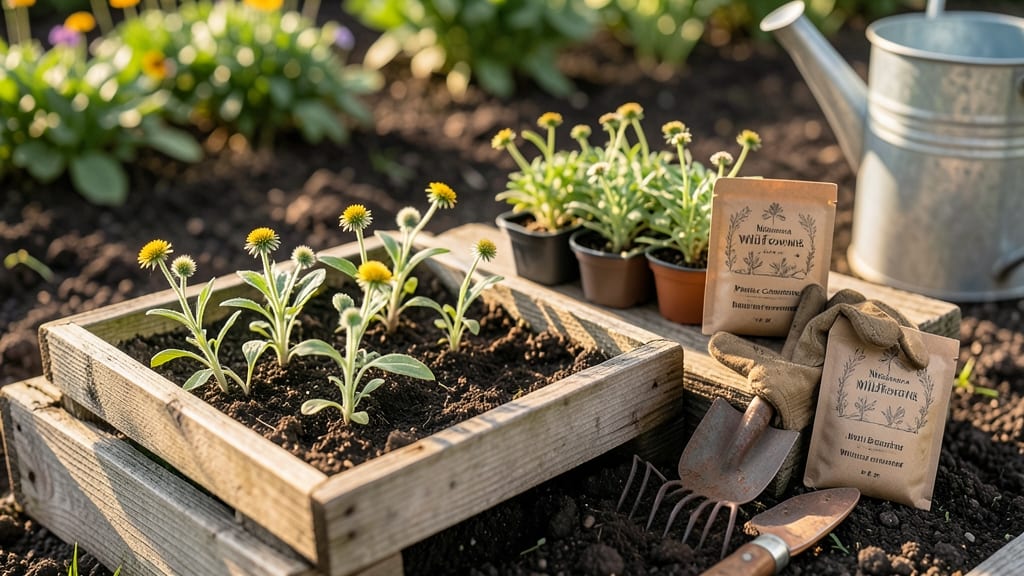
Plant wildflower seeds in Nebraska between March and April for spring blooms or August and September for fall color—timing them right avoids frost damage and ensures vibrant meadows.
Nebraska’s unpredictable spring weather can turn a promising wildflower meadow into a frost-killed disappointment—but timing your planting just right ensures vibrant blooms from early summer to fall.
For USDA Zone 5B/6A, aim for March 15 in eastern Nebraska or April 1 in western areas, where last frosts linger later. Fall planting (August-September) gives seeds time to germinate before winter dormancy.
Below, I’ll break down the best seed mixes for Nebraska’s climate, soil prep tricks to boost germination, and how to protect young sprouts from late frosts—so you get a zero-frost success rate every time.
Nebraska wildflower planting deadlines by USDA Zone 5B/6A (with frost risk maps)
Nebraska’s USDA Zones 5B and 6A create a delicate balance for wildflower planting—too early, and frost kills tender seedlings; too late, and summer heat stunts germination. The key lies in understanding your last frost dates and choosing between spring vs. fall planting strategies.
For most of Nebraska, including Lincoln (Zone 5B) and Omaha (Zone 6A), the last spring frost typically arrives between April 15 and May 1, while western Nebraska may see frost as late as May 10.
Annual wildflowers, like black-eyed Susans and cosmos, thrive when planted 4-6 weeks before the last frost. Perennials, such as coneflowers and purple prairie clover, benefit from fall planting (August-September) to establish roots before winter.
Missing these windows means risking frost damage or poor germination in Nebraska’s variable climate.
🌱 Pro Tip: Use the National Weather Service’s frost maps for your county to pinpoint exact deadlines. For example, Lincoln’s average last frost is April 22, while Omaha’s is April 15. Western Nebraska’s Panhandle region (Zone 5B) often waits until May 1 due to late frosts.
| Region/Zone | Last Frost Date | Spring Planting Deadline | Fall Planting Window | Best Wildflowers |
|---|---|---|---|---|
| Lincoln (Zone 5B) | April 22 | March 25 – April 15 | August 15 – September 15 | Coneflowers, Black-eyed Susans, Blanket Flower |
| Omaha (Zone 6A) | April 15 | March 15 – April 5 | August 1 – September 10 | Prairie Coneflower, Purple Prairie Clover, Butterfly Weed |
| Western NE (Zone 5B) | May 1 | April 1 – April 25 | August 20 – September 10 | Yarrow, Goldenrod, Gayfeather |
| Eastern NE (Zone 6A) | April 10 | March 10 – April 1 | July 30 – September 5 | Bee Balm, Joe Pye Weed, Wild Bergamot |
For spring planting, aim to sow seeds 4-6 weeks before your region’s last frost.
In Lincoln (Zone 5B), that means March 25–April 15, while Omaha (Zone 6A) can start as early as March 15. Western Nebraska gardeners should wait until April 1 to avoid late frosts. Use a seedling heat mat if planting early to protect tender sprouts.
Fall planting offers cooler soil temperatures and less competition from weeds. In Nebraska, August–September is ideal for perennials like coneflowers and prairie clover. Seeds sown in late summer germinate in spring, bypassing Nebraska’s unpredictable fall frosts.
Avoid planting after September 15, as seedlings may not establish roots before winter.
🌡️ Frost Risk Zones: Nebraska’s eastern plains (Zone 6A) experience fewer late frosts than the western highlands (Zone 5B). Check the Nebraska State Climate Office for 10-year frost trends in your area. For example, Scottsbluff (Zone 5B) has a 30% chance of frost after May 1, while Lincoln’s risk drops to 10% by May 15.
If you miss the spring deadline, don’t despair—fall planting is your backup. Nebraska’s drought-tolerant natives, like prairie dropseed and little bluestem, thrive when planted in late summer.
These species self-seed easily, creating naturalized meadows over time. Just ensure seeds are lightly raked into soil and watered gently to prevent erosion.
✂️ Post-Planting Care: After sowing, mulch lightly with straw or native grass clippings to retain moisture. In Nebraska’s windy conditions, use a row cover or netting to protect seedlings until they reach 2 inches tall. Avoid fertilizing—wildflowers thrive in lean soil and excess nitrogen promotes foliage over blooms.
Remember, Nebraska’s native wildflowers are adapted to
How to extend your Nebraska wildflower season: pre-chilling, soil prep, and frost-proofing tips
Nebraska’s unpredictable spring frosts can devastate young wildflower seedlings if you don’t prepare properly. The key to a longer blooming season lies in three critical steps: pre-chilling seeds, soil preparation, and frost protection.
These methods help simulate winter conditions, boost germination rates, and shield delicate sprouts from late freezes.
Many native Nebraska wildflowers like black-eyed susans and coneflowers require a cold stratification period to break dormancy. Without it, seeds may sprout too early or fail entirely. I’ve found that fall planting (August-September) often outperforms spring sowing because the seeds naturally experience this cold treatment over winter.
For seeds planted in early spring, mimic nature’s chilling process by storing them in a plastic bag with damp peat moss in your fridge for 4-6 weeks before sowing.
This trick works especially well for perennial varieties that need extra dormancy cues to thrive in Nebraska’s USDA Zone 5B/6A climate.
🌱 Pro Tip for Nebraska Planting:
Plant wildflower seeds 6-8 weeks before your average last frost date—typically March 15 in eastern Nebraska or April 1 in western areas. For fall planting, aim for late August to early September to allow germination before winter dormancy.
Soil preparation is just as crucial as timing. Nebraska’s clay-heavy soils in eastern regions and sandy loams in the west both benefit from amending with compost (2-3 inches mixed into the top 6 inches of soil).
This improves drainage while retaining moisture—critical for young seedlings during Nebraska’s variable spring rains.
To protect early bloomers from late frosts, use row covers or lightweight mulch (like straw) over newly planted areas. I’ve had great success with black plastic mulch in early spring, which warms the soil faster and gives seedlings a 2-3 week head start over unprotected plants.
For established meadows, create microclimates by planting near south-facing fences or stone borders, which absorb heat during the day and radiate it back at night.
Don’t forget to monitor your local frost forecasts—tools like the National Weather Service’s Frost Probability Map can save your wildflowers. If a late frost is predicted after planting, cover seedlings with frost cloth or even old bedsheets secured with bricks.
With these techniques, you’ll extend your blooming season by 4-6 weeks compared to unprotected plantings.