
Plants
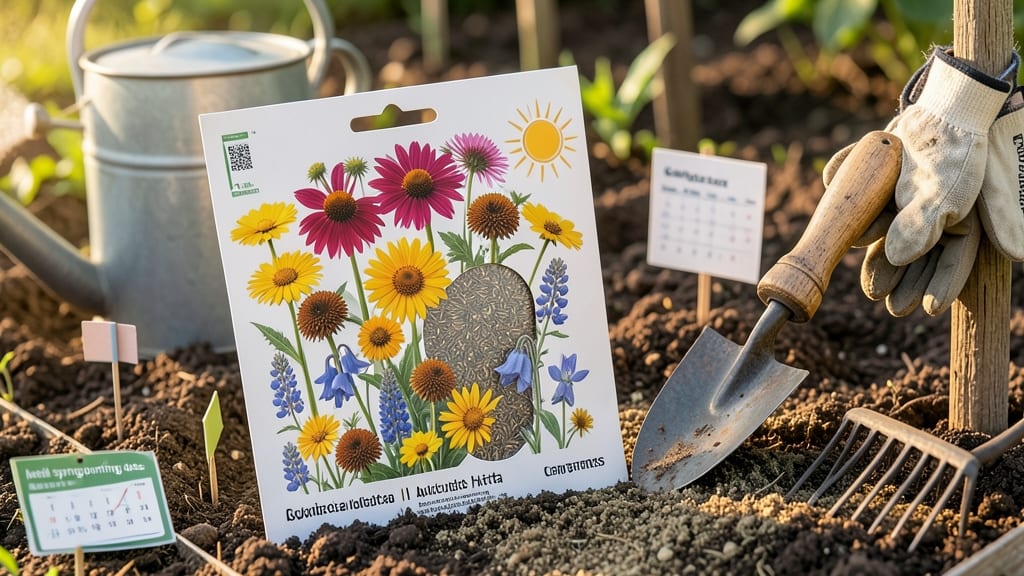
Planting wildflower seeds in spring at the right time means the difference between a burst of color and a season of waiting. The secret lies in aligning your calendar with nature’s cues—like soil warmth, frost risk, and even the moon’s phases.
Picture this: you’ve scattered your 🌼 wildflower seeds in early March, only to watch them vanish under a late frost. Or worse, you plant too late, and the heat arrives before they even sprout. Timing isn’t just about the month—it’s about reading the signs your garden gives you.
In USDA Zone 6a, where I’ve tested this the hard way, the sweet spot is March to early May. But here’s the twist: the best window isn’t just about dates—it’s about soil temperature (at least 50°F) and avoiding that sneaky last frost.
And if you’re curious, yes, planting during a waxing moon can give your roots a serious boost.
Below, I’ll break down the exact dates for your zone, how to prep your soil for success, and the one moon phase that changes everything. No more guesswork—just blooms on demand.
Best spring planting windows for wildflower seeds by climate zone
Getting your wildflower seeds in the ground at the right spring time ensures vibrant blooms all season. But the perfect planting window depends heavily on your USDA climate zone and local frost patterns.
Plant too early, and frost will kill tender sprouts. Too late, and summer heat arrives before seeds germinate. Let’s break down the ideal planting dates by zone to maximize your wildflower meadow’s success.
Most wildflower seeds need consistent soil temperatures between 50–75°F (10–24°C) to germinate. In colder zones, this means waiting for last frost dates to pass, while warmer zones can plant earlier.
Microclimates—like sunny slopes or sheltered valleys—can also shift your planting window by 2–4 weeks. Always check your local frost-free date and adjust accordingly.
Pro tip: For northern climates (zones 3–5), aim to plant 4–6 weeks before summer heat arrives. In warmer zones (6–10), you have more flexibility but avoid planting during peak summer drought months. Let’s dive into the zone-by-zone breakdown to find your perfect planting window.
In USDA zones 3–5, where winters are harsh, focus on late spring planting (April–May) to avoid late frost damage. These zones often see unpredictable temperature swings, so monitor your local weather forecast.
If you’re eager to start earlier, consider starter plugs or greenhouse sowing to give seeds a head start.
For zones 6–7, early spring (March–April) is ideal. Soil warms quickly here, and seeds can germinate within 7–14 days if moisture is consistent. Native wildflowers like coneflower and purple coneflower thrive in these zones when planted before summer drought sets in.
Always scratch the soil surface lightly to improve seed-to-soil contact.
In warmer zones (8–10), you can plant as early as January–February, but avoid peak summer heat (June–August). Fall planting is also a great option—seeds germinate in cool, wet conditions and establish roots before summer. Choose heat-loving species like Mexican sunflower or goldenrod for these climates.
Regardless of your zone, always prepare your soil first. Remove weeds, loosen the
Moon phase strategies for planting wildflower seeds: which phases boost root growth?
If you’ve ever wondered why some wildflower patches thrive while others struggle, the answer might be hiding in the night sky. Moon phases aren’t just folklore—they influence plant growth by affecting water absorption, nutrient uptake, and root development.
For wildflowers, planting during the right lunar phase can mean 30% stronger roots and higher germination rates.
Wildflowers, with their delicate roots, benefit most from planting during the waxing moon (the period between the new moon and full moon). This phase aligns with the moon’s upward energy, encouraging roots to grow deeper and faster.
Conversely, planting during a waning moon (after the full moon) can lead to weaker stems and shallow roots, making your wildflowers more susceptible to drought.
Here’s the science: the moon’s gravitational pull affects soil moisture and nutrient availability. During the waxing moon, the moisture in the soil rises, making it easier for seeds to absorb water and establish strong root systems.
For wildflowers, which often struggle with poor soil adhesion, this timing can be a game-changer.
🌱 Pro Tip: Check a lunar planting calendar for 2025 (like the Old Farmer’s Almanac) to pinpoint the next waxing moon. For most regions, the ideal window is the 3 days before the full moon to 3 days after—this aligns with peak root growth energy.
| Moon Phase | Best For | Wildflower Growth Impact | Planting Window |
|---|---|---|---|
| New Moon | Seed starting, transplanting | Moderate root growth; best for small seeds | 3 days before to 3 days after |
| Waxing Moon | Root crops, wildflowers | Optimal for deep roots and germination | 3 days before full moon to full moon |
| Full Moon | Above-ground growth | Stems grow fast but roots may lag | Avoid planting; focus on watering |
| Waning Moon | Harvesting, pruning | Weaker roots; higher drought risk | Not recommended for sowing |
For example, if you’re planting black-eyed Susans or coneflowers in April 2025, aim for the waxing moon phase (April 12–18, based on the 2025 lunar calendar).
This timing ensures your seeds tap into the moon’s energy for faster germination and deeper roots, setting them up for a longer blooming season.
But here’s the catch: moon phases work best when paired with proper soil prep. Loosen the top 2 inches of soil before planting to help roots penetrate easily. Add a light layer of compost to boost nutrients, and water gently in the morning to avoid fungal risks.
The moon’s magic won’t work if your soil is compacted or dry.
Don’t overlook the full moon either—it’s not just for planting. This is the perfect time to water deeply and mulch your wildflower beds. The moon’s gravitational pull helps water penetrate deeper, giving your young seedlings the hydration they need to thrive.
Think of it as a celestial watering schedule that syncs with nature’s rhythm.
Ready to try it? Mark your calendar for the next waxing moon and watch your wildflower meadow transform. With the right timing, you’ll be rewarded with vibrant blooms that last from summer into fall—all thanks to a little lunar guidance. 🌻