
Plants
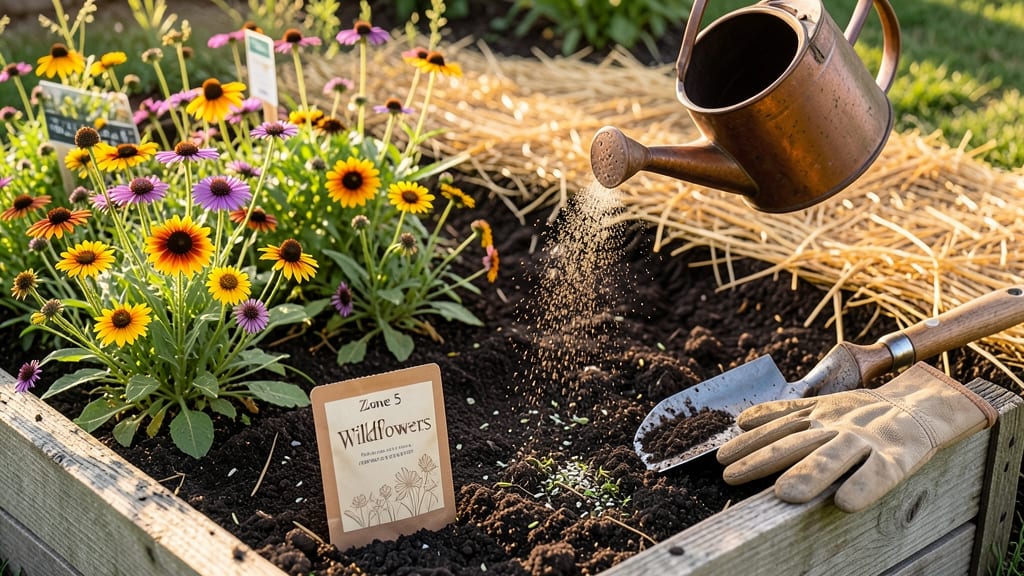
Planting wildflower seeds in Zone 5 at the right time can transform your garden into a vibrant, pollinator-friendly haven—spring or fall are your best bets, but timing matters more than you think.
Zone 5 gardeners often debate the best time to plant wildflower seeds—spring’s warmth versus fall’s cooler temperatures—but timing can make or break your wildflower meadow’s success. Discover the science behind seasonal planting and how to maximize germination rates in your climate.
The key is understanding soil temperatures and frost patterns. Spring planting (March–April) gives seeds a head start, while fall planting (August–September) allows them to establish roots before winter. Both have their advantages, but one might work better for your microclimate.
In this guide, I’ll break down the ideal planting windows, soil prep tips, and post-planting care to ensure your wildflowers 🌼 thrive year after year. Let’s get those seeds in the ground the right way!
Optimal planting windows for Zone 5 wildflowers: spring vs fall breakdown
Deciding when to plant wildflower seeds in Zone 5 can feel like a gamble—will your seeds thrive in spring’s warmth or fall’s gentler temperatures? Both seasons offer unique advantages, but understanding their soil temperature thresholds and frost risks is key to success.
Let’s break down the science behind each planting window to help you choose the best time for your wildflower meadow.
The Zone 5 climate experiences average last frost dates around April 15 and first frost dates near October 15, leaving a narrow window for planting. Spring planting (March–May) leverages warming soils, while fall planting (September–November) capitalizes on cooler temperatures and reduced weed competition.
Both methods can yield stunning results, but the timing impacts germination rates and long-term establishment significantly.
Here’s the critical comparison: Spring planting requires patience for soil warmth, while fall planting benefits from moisture retention and fewer pests. Your choice depends on your local microclimate, seed types, and willingness to manage early-season weeds. Let’s dive into the details to help you decide.
| Factor | Spring Planting (March–May) | Fall Planting (September–November) |
|---|---|---|
| Soil Temperature | 45–60°F (needs warming) | 50–65°F (cooler but stable) |
| Frost Risk | High (late frosts possible) | Moderate (early frosts likely) |
| Germination Speed | Slower (soil warming needed) | Faster (moisture retention) |
| Weed Competition | High (weeds germinate early) | Low (weeds dormant) |
| Best Seed Types | Annuals, early bloomers | Perennials, biennials |
| Post-Planting Care | Frequent watering, weed control | Light watering, mulching |
Spring planting in Zone 5 kicks off in March, but success hinges on waiting until soil temperatures reach at least 45°F. Early March plantings risk late frost damage, while April plantings benefit from warmer conditions.
I’ve found that late April is the sweet spot for most wildflower mixes, as it balances soil warmth with reduced frost risk. However, annual wildflowers like cosmos and zinnias germinate best in May, when soil is consistently above 50°F.
Fall planting, on the other hand, offers a 6–8 week window from September to early November, depending on your local frost date. Seeds sown in September germinate quickly with cooler soils and retain moisture better than spring plantings.
This method is ideal for perennial wildflowers, which establish deeper roots before winter. In my experience, late September plantings in Zone 5 often outperform spring plantings due to fewer weeds and consistent moisture.
One critical factor often overlooked is seed stratification. Many wildflower seeds require a period of cold moisture to break dormancy, making fall planting a natural fit. If you choose spring planting, consider pre-stratifying seeds in the refrigerator for 4–6 weeks to mimic winter conditions.
This step can double germination rates for species like black-eyed Susans and coneflowers, which thrive in Zone 5.
Regional microclimates within Zone 5 can shift planting windows by 2–4 weeks.
For example, gardeners in western Zone 5 (e.g., Colorado or Nebraska) may plant 2 weeks earlier due to drier conditions, while those in eastern Zone 5 (e.g., New York or Pennsylvania) should delay slightly to avoid late spring frosts.
Always check your local frost dates and adjust accordingly.
If you’re torn between seasons, consider a split planting strategy: sow half your seeds in spring (for immediate color) and half in fall (for next year’s blooms). This approach diversifies your meadow’s bloom timeline and reduces risks tied to a single planting window.
For instance, spring-planted cosmos will bloom in June–July, while fall-planted coneflowers may not peak until July–August of the following year.
Pro
5 Critical factors to consider before planting wildflower seeds in Zone 5
Before scattering wildflower seeds in your Zone 5 garden, understanding these 5 critical factors will dramatically improve your success rate. Each step addresses a common pitfall that can turn a promising meadow into a failed experiment. Let’s dive into what truly matters for your wildflowers to thrive.
First, soil moisture levels are non-negotiable—wildflower seeds need consistent dampness to germinate, but soggy soil can drown them. Zone 5’s unpredictable spring rains make this tricky, so plan to plant when your soil stays moist for at least 2-3 weeks without becoming waterlogged.
A simple soil moisture test with your finger can save you from wasted seeds.
Next, seed stratification needs often get overlooked. Many wildflower species require a cold period to break dormancy, a process called stratification. If your seeds aren’t pre-stratified, consider cold-moist stratifying them in the fridge for 4-6 weeks before planting. This mimics winter conditions and triggers germination when spring arrives.
🌱 Numbered Highlights: Zone 5 Wildflower Planting Checklist
- 1. Soil Moisture: Plant when soil is moist but not soggy—aim for 50-70% moisture at 1-inch depth. Use a moisture meter if unsure.
- 2. Stratification: Cold-stratify seeds for 4-6 weeks if not pre-treated. Place seeds in a damp paper towel in the fridge.
- 3. Weed Competition: Plant 4-6 weeks before weeds peak (late spring/early fall). Weeds steal moisture and sunlight from seedlings.
- 4. Sunlight Exposure: Choose a site with 6+ hours of sun daily. Wildflowers won’t thrive in shade—this is their non-negotiable.
- 5. Post-Planting Care: Lightly water 2x daily for 2 weeks to keep soil moist. Avoid heavy watering once established.
Weed competition is another silent killer of wildflower seedlings. Plant your seeds 4-6 weeks before weeds reach their peak growth—typically late spring or early fall in Zone 5.
Weeds like crabgrass and chickweed can smother your wildflowers before they get a chance to establish. A quick pre-planting weed pull or light mulch can make all the difference.
Don’t underestimate the power of sunlight exposure. Wildflowers are sun-worshippers—they need 6+ hours of direct sunlight daily to thrive. Before planting, scout your site with a solar tracker app or simply observe how much sun it gets throughout the day.
A shady spot will leave you with sparse, weak blooms.
Finally, post-planting care sets the stage for long-term success. After planting, water lightly twice daily for 2 weeks to keep the soil consistently moist. Once seedlings appear, reduce watering to once every 7-10 days unless your area experiences a drought.
Overwatering can lead to fungal issues, while underwatering stresses young plants.
By tackling these five factors head-on, you’ll give your wildflowers the best possible start in Zone 5’s variable climate. The right timing and care turn a gamble into a guaranteed burst of color and life in your garden. 🌼