
Flowers
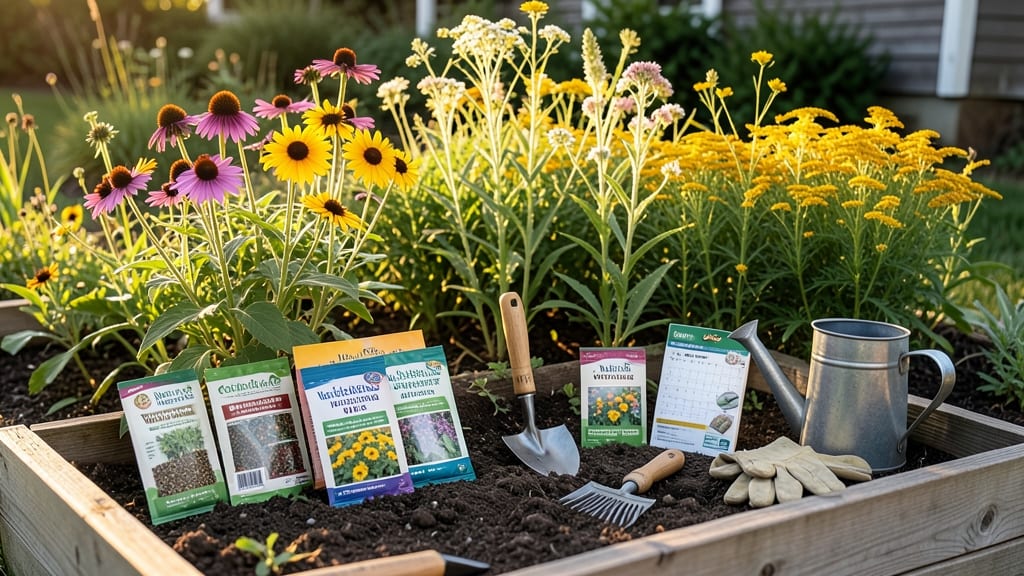
Plant wildflowers in Massachusetts between early spring and early summer or late summer to early fall, timing that makes all the difference for your 🌼 meadow’s success.
Massachusetts gardeners know timing is everything—plant wildflowers too early, and frost will wipe them out; too late, and you’ll miss peak blooms. But with coastal and inland zones having different frost-free dates, getting it right can mean the difference between a vibrant meadow and a failed patch.
In USDA zones 5b-7a, the last frost typically arrives around mid-April, but coastal areas like Cape Cod can be weeks ahead of inland spots.
This means your planting window shifts depending on where you live, and choosing the wrong time could leave your seeds vulnerable to cold snaps or summer heat.
Here’s how to align your planting with Massachusetts’ climate, from soil prep to species selection, so you get blooms from late spring through fall without the guesswork.
Massachusetts wildflower planting timeline by zone: coastal vs inland frost dates
Massachusetts’ diverse climate creates a challenge for wildflower gardeners—coastal areas like Cape Cod and Boston enjoy milder winters, while inland zones like the Berkshires and Worcester face earlier frosts. These differences mean your spring planting window could vary by 3-4 weeks, making timing critical for success.
Understanding your last frost dates ensures your wildflowers establish roots before winter or bloom in their first season.
For coastal regions, the average last frost date hovers around April 15, while inland areas often see frost linger until May 1. This shift impacts everything from seed sowing to transplanting wildflower plugs.
Even within zones, microclimates—like sheltered valleys or exposed hilltops—can push these dates earlier or later. I’ll break down how to adjust your planting schedule based on your location and the type of wildflowers you’re growing.
Spring planting is ideal for annual wildflowers like cosmos and zinnias, which bloom quickly but need warm soil to germinate. For perennial wildflowers such as black-eyed Susans or coneflowers, fall planting is often better—seeds germinate in spring, giving roots a head start.
In coastal zones, you can even start direct sowing seeds as early as late March under row covers, while inland gardeners should wait until mid-May.
Fall planting offers another advantage: cooler temperatures reduce seedling stress, and many wildflowers self-sow, creating naturalized meadows. In coastal areas, aim to plant by September 15 to ensure seeds establish before winter.
Inland gardeners have until early October, but watch for early frost warnings—some years, the first frost arrives by mid-October, cutting your window short.
Microclimates can shift these dates dramatically. For example, a south-facing slope in the Berkshires might warm up 2 weeks earlier than a valley, while Cape Cod’s coastal breezes can delay frost by 10–14 days.
To account for this, I recommend monitoring local weather forecasts and using a frost-free date calculator (like the one from the Massachusetts Horticultural Society) for your exact location.
If you’re transplanting wildflower plugs or seedlings, timing shifts slightly. Coastal gardeners can plant as early as April 1, while inland areas should wait until May 15 to avoid frost damage.
Transplants need established roots before summer heat arrives, so don’t rush—hardened-off seedlings planted too early can bolt or wilt in sudden heat waves.
For late bloomers like New England asters, consider a staggered planting approach: sow half your seeds in spring and half in early fall. This ensures continuous blooms from summer through frost.
In coastal zones, you might even see fall-blooming wildflowers like goldenrod lasting into November, while inland varieties may fade by October 15.
Pro tip: Use mulch to extend your planting window. A 2-inch layer of straw can protect young seedlings from late spring frosts (common in May) and insulate soil in fall plantings.
In coastal areas, mulch also helps retain moisture during summer’s dry spells, while inland gardeners benefit from its frost protection in October.
Finally, don’t rely solely on averages—track your own frost dates for 2–3 years to refine your schedule. In 2022, for example, Boston’s last frost came on April 22, while Worcester saw frost as late as May 8.
By adjusting based on real data, you’ll maximize blooms and minimize lost seeds. With the right timing, your Massachusetts wildflower meadow will thrive year after year.
Best wildflower species for Massachusetts: frost tolerance and seasonal blooms
Massachusetts’ diverse climate means your wildflower choices should match your frost zone and bloom goals. Coastal areas like Cape Cod can handle coreopsis and black-eyed Susans with ease, while inland regions thrive with New England aster and bee balm.
The key? Select species that align with your last frost dates and seasonal sunlight patterns.
Native wildflowers like purple coneflower and goldenrod are hardy options that support local pollinators and adapt to Massachusetts’ USDA zones 5b-7a. Non-natives like cosmos and zinnia offer vibrant colors but may need extra care in colder inland zones.
Always check soil drainage—most wildflowers prefer well-draining soil to avoid rot.
| Species | Frost Tolerance | Bloom Season | Soil Preference | Maintenance |
|---|---|---|---|---|
| Black-Eyed Susan | Hardy to -30°F | Summer to Fall | Well-draining, average soil | Low; drought-tolerant |
| New England Aster | Hardy to -20°F | Late Summer to Fall | Moist, well-draining | Moderate; deadhead for rebloom |
| Coreopsis | Hardy to -10°F | Spring to Summer | Sandy, dry soil | Low; self-seeds easily |
| Cosmos | Tender; annual | Summer to Frost | Poor to average soil | Very low; cut back for more blooms |
| Purple Coneflower | Hardy to -40°F | Summer to Fall | Dry, rocky soil | Low; deer-resistant |
For coastal gardens, prioritize coreopsis and bee balm, which thrive in warmer microclimates and sandy soils. Inland gardeners should lean toward black-eyed Susans and purple coneflower, which handle colder nights and drier conditions.
Always plant perennials in fall (like aster) for early root establishment before winter.
Soil prep is critical: loosen the top 6 inches of soil and mix in compost to improve drainage. Wildflowers like cosmos and zinnia are forgiving about soil quality, but native species will reward you with longer blooms and better pollinator support.
Mulch lightly after planting to retain moisture without smothering seeds.
Timing your fall plantings (August-September) gives wildflowers a head start on root growth before winter. Spring plantings should wait until after the last frost, typically mid-April for inland areas and late March for coastal zones. Deadhead spent blooms in perennials like aster to encourage reblooming and extend your season.
Don’t overlook maintenance-free options like goldenrod or yarrow, which thrive with minimal intervention. These species are perfect for low-maintenance meadows and attract butterflies and bees all season long. For a colorful display, mix early bloomers (like phlox) with late-season stars (like New England aster).