
Flowers
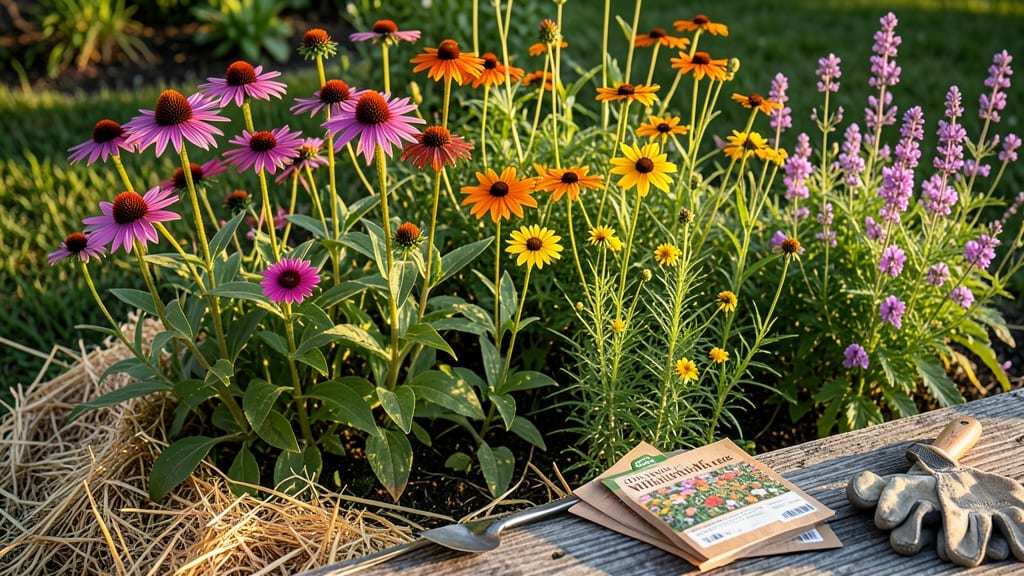
Planting wildflowers in Ohio at the right time unlocks a garden full of vibrant blooms that last from summer until frost.
Ohio’s unpredictable climate can make wildflower planting tricky—but timing it right ensures vibrant blooms from spring to frost. Whether you’re eyeing spring’s early sowing or fall’s underrated advantages, getting the season right is the key to a thriving meadow.
I’ll show you exactly when to plant for maximum impact, from native species like black-eyed Susans to coneflowers that thrive in Ohio’s 6a zone.
Spring planting kicks off in March after the last frost, but fall offers a second chance in August-September. Both seasons have their perks: spring gets your flowers blooming faster, while fall gives seeds time to establish roots before winter.
I’ll break down the best practices for each, including soil prep and how to choose the right seed mixes for your Ohio garden.
Ready to transform your yard into a pollinator paradise? You’ll learn how to time your planting for long-lasting color, avoid common mistakes, and keep your wildflowers blooming year after year—no matter what Ohio’s weather throws your way.
Ohio wildflower planting calendar: spring vs fall timing breakdown
Ohio’s two best windows for planting wildflowers are early spring and late fall, each offering unique advantages. Spring planting lets you enjoy blooms within the same growing season, while fall planting gives seeds time to establish roots before winter.
The key is understanding soil temperatures and frost dates—Ohio’s USDA zones 5b-6a mean timing varies by region.
For spring planting, aim for March through April after the last frost date (typically mid-April in most of Ohio). This gives seeds time to sprout before summer heat arrives. In contrast, fall planting from August to September allows seeds to germinate in cool weather, avoiding summer drought stress.
Both methods work well for native wildflowers like black-eyed Susans, coneflowers, and milkweed.
Ohio’s humid summers and cold winters demand careful timing. Northern Ohio’s shorter growing season favors fall planting, while southern Ohio’s longer season allows for both spring and fall opportunities. Always check your local last frost date—planting too early risks frost damage, while waiting too long may lead to poor germination.
| Planting Window | Best Months | Soil Temp Threshold | Key Considerations |
|---|---|---|---|
| Spring Planting | March - April | 40-50°F (4-10°C) | Avoid frost; water deeply after planting |
| Fall Planting | August - September | 50-60°F (10-15°C) | Seeds need 4-6 weeks to germinate before frost |
| Northern Ohio | April (spring) or September (fall) | 45-55°F (7-13°C) | Shorter season; prioritize fall planting |
| Southern Ohio | March-April (spring) or August-September (fall) | 50-60°F (10-15°C) | Longer season; both windows work well |
For spring planting, start with lightweight seeds like coreopsis or yarrow in well-drained soil. Scatter seeds thinly (about ½ pound per 1,000 sq ft) and cover lightly with ¼ inch of soil.
Keep the area moist until germination, which typically takes 7-21 days depending on the species. Black-eyed Susans and coneflowers thrive when planted in spring and will reward you with summer blooms.
Fall planting is ideal for larger seeds like milkweed or bee balm. These seeds benefit from stratification—a natural cold treatment that mimics winter conditions. Plant them 6-8 weeks before the first frost (usually by mid-September in most of Ohio).
This gives seeds time to germinate before the ground freezes, ensuring strong root systems for next spring.
Ohio’s humid climate can challenge wildflower growth, especially in summer heat. To combat this, mulch newly planted areas with 1-2 inches of straw to retain moisture and suppress weeds.
Avoid overwatering—wildflowers prefer dry conditions once established. In urban areas, where soil may be compacted, amend with compost or sand to improve drainage.
Regional microclimates play a big role. In northern Ohio (e.g., Cleveland, Toledo), focus on fall planting to maximize the short growing season. Southern Ohio (e.g., Cincinnati, Columbus) offers more flexibility, allowing for both spring and fall plantings.
Always monitor local weather forecasts—unpredictable late frosts can delay spring planting by 2-4 weeks.
If you’re unsure about timing, late August is a safe bet for fall planting in most of Ohio. This gives seeds enough time to germinate before the first frost, typically arriving in mid-October.
For spring, wait until after April 15 to avoid frost damage. Use a soil thermometer to confirm temperatures are above 40°F (4°C)—this is critical for successful germination.
Pro tip: Mix annual and perennial wildflowers for year-round color. Annuals like cosmos bloom quickly in spring, while perennials like purple coneflower return every year. Layering seeds ensures continuous blooms from early summer to frost. Always choose native Ohio species—they’re adapted to local conditions and require less maintenance.
Finally, don’t overlook post-planting care. Wildflowers are low-maintenance but benefit from occasional weeding and light fertilization in early spring. Avoid heavy-handed gardening—wildflowers thrive in
5 Key factors that determine Ohio wildflower success (and how to control them)
Ohio’s wildflowers thrive when you control five critical factors: soil moisture, seed stratification, weed competition, frost timing, and native species selection. Each plays a pivotal role in transforming your garden into a pollinator haven.
For example, black-eyed Susans need well-draining soil, while milkweed tolerates wetter conditions—knowing these differences prevents wasted effort and money.
First, Ohio’s spring frost dates (typically mid-April) dictate when to plant. Sowing too early risks seed loss, but waiting too long delays blooms. Fall planting (August-September) offers a second chance, letting seeds establish roots before winter.
Urban gardens face extra challenges like compacted soil and limited space, while rural areas benefit from deeper soil and fewer restrictions.
Here’s how to master these factors for guaranteed success:
- 1. Soil Moisture: Keep soil consistently moist (not soggy) for 4-6 weeks after planting. Ohio’s clay-heavy soils often need amendments like compost to improve drainage. Use a moisture meter to avoid overwatering.
- 2. Seed Stratification: Many Ohio natives (e.g., wild bergamot) need cold stratification—mix seeds with moist sand and refrigerate for 4-8 weeks before planting. Skip this step, and germination rates drop by 50% or more.
- 3. Weed Competition: Weeds steal water and nutrients from wildflower seeds. Apply mulch or landscape fabric after sowing to block light. Hand-pull weeds weekly until seedlings are 3 inches tall.
- 4. Frost Timing: Plant spring seeds after April 15 (Ohio’s average last frost) and fall seeds by September 1 to allow root establishment. Use row covers if late frosts threaten.
- 5. Native Species: Stick to Ohio-native mixes (e.g., coneflower, bee balm)—they’re adapted to local pests and weather. Non-natives often require extra care and attract fewer pollinators.
Troubleshooting common mistakes is half the battle. For instance, planting too early in spring risks frost damage, while ignoring seed mixes can lead to patchy blooms. Urban gardeners should opt for shorter varieties (like coreopsis) to fit tight spaces, whereas rural plots can handle taller sunflowers or goldenrod.
Always test your soil’s pH—Ohio’s range of 5.5–7.0 suits most wildflowers, but blueberries (if included) need acidic soil.
Adapting to Ohio’s microclimates is key. Northern Ohio’s cooler temps favor late-summer bloomers like asters, while southern Ohio’s heat thrives with early-summer coneflowers.
Use a planting calendar to align your schedule with local conditions, and don’t forget to water deeply but infrequently—Ohio’s humidity means wildflowers need less water once established.
By controlling these five factors, your Ohio wildflowers will reward you with season-long color, support local ecosystems, and require minimal upkeep. Start with small test plots to refine your approach, and soon, your garden will buzz with life from June until frost.