
Flowers
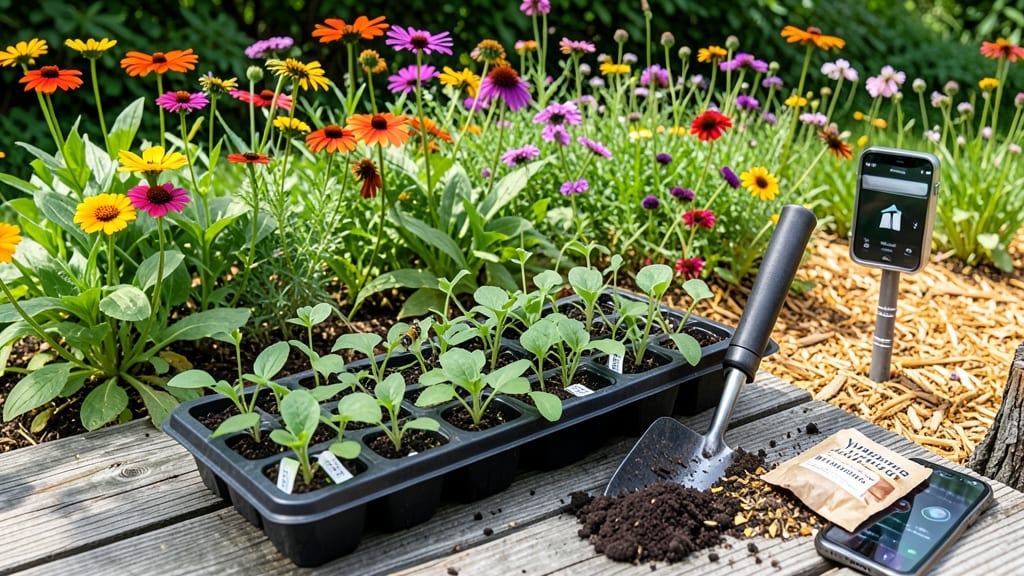
Planting wildflowers in Virginia at the right time ensures vibrant blooms and thrives in your 6a-8a zones, where frost dates shift dramatically from coastal plains to the mountains.
Timing your wildflower planting in Virginia can mean the difference between a vibrant meadow and a season of disappointment—especially with Virginia’s unpredictable frost dates and diverse microclimates.
Most gardeners in Virginia swear by early spring or early fall, but the optimal window depends on your region. Coastal areas can start as early as March, while mountain zones wait until April to avoid late frosts.
Below, I break down the frost-date cheat sheet by region, the best wildflower species for Virginia’s soil, and pro tips to extend your blooming season—so you can enjoy 🌼 from May through September.
Virginia’s wildflower planting zones by frost dates and regions
Virginia’s diverse geography—from the coastal plains to the Blue Ridge Mountains—creates wildly different frost patterns that dictate when to plant wildflowers. Whether you’re in USDA Zone 5a (mountains) or Zone 8a (coastal), timing matters.
Plant too early, and frost will kill tender seedlings; too late, and your meadow might miss its first bloom season. Let’s break down the optimal planting windows by region and frost dates to ensure your wildflowers thrive.
Most Virginia gardeners focus on spring (March-April) or fall (September-October) planting, but regional microclimates shift these windows. For example, coastal Virginia (Zone 8a) enjoys milder winters, while mountain areas (Zone 5a-6a) face earlier frosts.
Understanding these variations helps you avoid common pitfalls like late-spring frosts or overly competitive weeds that can outpace wildflower germination.
Here’s a quick reference for average last frost dates across Virginia’s regions, which guide your planting schedule:
- Coastal Plain (Zones 7b-8a): Last frost March 1-15
- Piedmont (Zones 6b-7a): Last frost March 15-30
- Mountains (Zones 5a-6a): Last frost April 15-May 1
| Region | USDA Zone | Last Frost Date | First Frost Date | Spring Planting Window | Fall Planting Window |
|---|---|---|---|---|---|
| Coastal Plain | 7b-8a | March 1-15 | November 1-15 | February 15-April 15 | September 15-October 15 |
| Piedmont | 6b-7a | March 15-30 | October 31-November 15 | March 1-April 30 | September 1-October 30 |
| Mountains | 5a-6a | April 15-May 1 | October 15-November 1 | April 15-May 30 | August 15-September 30 |
For coastal Virginia, where winters are milder, you can start sowing wildflower seeds as early as mid-February for a spring bloom. In contrast, mountain regions should wait until mid-April to avoid late-spring frosts that can devastate young seedlings.
Fall planting follows a similar pattern: coastal areas can extend into mid-October, while mountain gardeners should finish by late September to allow roots to establish before winter.
Fall planting is often underrated but offers critical advantages. Seeds sown in September-October germinate slowly over winter, creating a head start in spring. This method reduces competition from weeds and helps wildflowers establish deeper roots before summer heat sets in.
In Zone 8a (coastal), fall planting can even yield blooms by early spring, while Zone 5a (mountains) may see flowers by late spring.
Regional microclimates add another layer of complexity. For example, valleys in the Shenandoah Valley can experience earlier frosts than nearby ridges, while urban heat islands in cities like Richmond may delay frost by 1-2 weeks.
Always check local Almanac frost dates and observe your yard’s unique patterns over a few years. If you’re unsure, err on the side of planting later—wildflowers are resilient and can often bounce back from minor setbacks.
Soil preparation is just as critical as timing. Virginia’s clay-heavy soils can suffocate seeds, so loosen the top 6 inches of soil and mix in compost or sand to improve drainage.
In sandy coastal soils, add organic matter to retain moisture, while mountain soils may benefit from a thin layer of mulch to protect seeds from drying winds. Always water thoroughly after planting to encourage germination, especially in drought-prone Piedmont regions.
Pro tip: If you’re planting a wildflower meadow, consider a two-phase approach. Start with <
Best wildflower species for Virginia’s climate and planting timing
Virginia’s diverse climate—from coastal plains to mountain regions—means wildflower success hinges on choosing the right species and planting at the perfect time. Native annuals and perennials thrive here, but their planting windows vary dramatically.
For example, black-eyed Susan (a perennial favorite) needs early spring or fall, while annuals like cosmos can handle late spring sowings.
Most Virginia gardeners focus on three key planting periods: early spring (March-April), late spring (May), and early fall (September-October). The best choices depend on your USDA zone (6a-8a) and whether you prioritize long-season blooms or quick summer color.
Below, I’ve highlighted the top species and their ideal timing for Virginia’s soil and climate.
- March-April (Early Spring): Plant perennials like coreopsis and butterfly weed for early blooms. These hardy species establish roots before summer heat. Soil temp should reach 50°F+ for best germination.
- May (Late Spring): Sow annual mixes (e.g., cosmos, zinnias) for summer color. Avoid planting perennials this late—they may not establish before frost.
- September-October (Early Fall): Ideal for perennials like coneflowers and black-eyed Susans. Cooler temps reduce stress, and roots grow before winter. Seed mixes planted now often bloom earlier next spring.
- November (Late Fall): Only for hardy perennials like goldenrod or aster. Plant 6 weeks before first frost (varies by region) for root establishment.
- Pro Tip: Virginia’s clay-heavy soils benefit from compost amendments before planting. Mix in 2-3 inches of compost to improve drainage for annuals like sunflowers, which hate soggy roots.
For low-maintenance meadows, combine perennials (e.g., coneflower, bee balm) with annuals (e.g., cosmos, marigolds). Perennials return yearly, while annuals fill gaps with continuous color. In USDA Zone 6a (mountains), stick to fall planting for perennials to avoid spring frosts.
If you’re in Zone 7b-8a (coastal/Piedmont), spring planting works for both annuals and perennials. Just ensure soil temps stay above 60°F for 2 weeks post-planting. For drought-prone areas, prioritize native species like purple coneflower—they thrive with minimal water once established.
Remember: Virginia’s microclimates can shift frost dates by 2-3 weeks. Check your local Cooperative Extension Service for precise last-frost averages in your area. With the right timing and species, your wildflower garden will bloom from May through October—attracting pollinators and adding effortless beauty to your landscape. 🌼