
Flowers
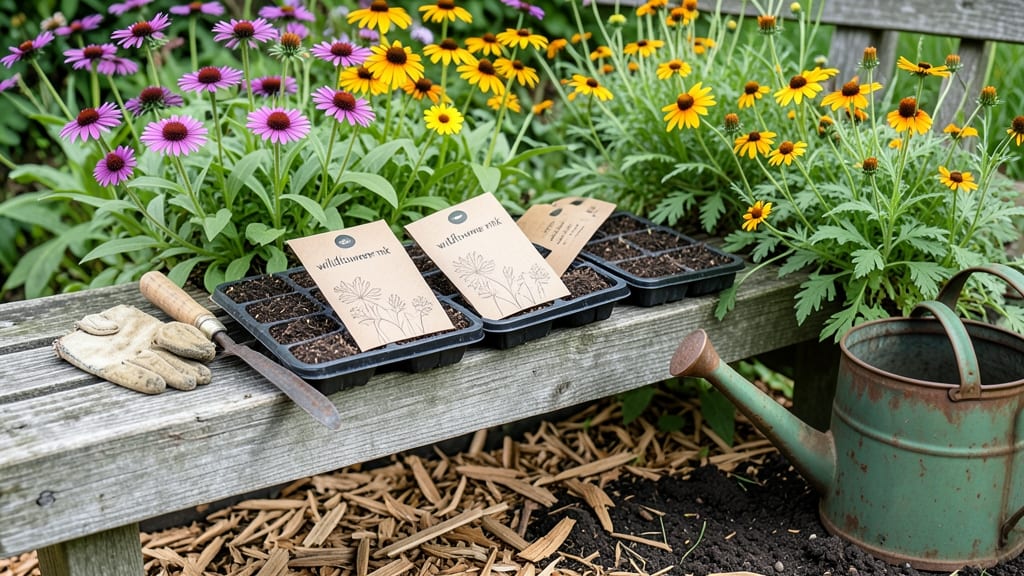
Plant wildflowers in Zone 6 about 6 to 8 weeks before your last frost—typically mid-March for spring or early October for fall—for the most vibrant blooms.
Timing your wildflower planting in Zone 6 can mean the difference between a vibrant meadow and a patchy disappointment—get it wrong, and you might miss peak blooms entirely.
Most wildflowers need soil temperatures above 40°F to germinate, so planting too early risks frost damage, while waiting too long can delay blooms until summer heat sets in.
Below, I’ll break down the exact weeks to plant, how to prep your soil, and why fall planting often outperforms spring for long-lasting color.
Best weeks before last frost to plant wildflowers in Zone 6
Timing your wildflower planting in Zone 6 is critical for vibrant blooms. The last frost date typically falls around mid-April, but your exact window depends on local microclimates. For spring planting, aim to sow seeds 4-6 weeks before your last frost—usually late February to early March.
Fall planting offers a second chance, with ideal timing between late August and early October for established roots before winter.
Wildflowers thrive when soil temperatures reach 40-50°F for germination. In Zone 6, this usually aligns with early spring or late summer soil warming.
Use a soil thermometer to confirm readiness—seeds won’t sprout in cold soil, no matter how early you plant. Annual wildflowers like cosmos and zinnias germinate faster, while perennial varieties (e.g., coneflowers) need more time to establish.
Here’s your Zone 6 planting timeline for wildflowers, including seed depth and frost considerations:
| Planting Window | Weeks Before Last Frost | Soil Temp Requirement | Seed Depth | Bloom Timing |
|---|---|---|---|---|
| Early Spring | 4-6 weeks | 40-50°F | 1/8" max | Late spring to summer |
| Fall | 8-10 weeks | 50-60°F | 1/4" max | Next spring |
| Late Summer (Succession) | 12+ weeks | 55-65°F | 1/8" max | Fall blooms (annuals only) |
For spring planting, focus on annual wildflowers like black-eyed Susans or sunflowers. These germinate quickly and bloom within 60-90 days, perfect for filling gaps in your garden.
Scatter seeds lightly on prepared soil—most need only 1/8" coverage—and keep the area moist until sprouts appear. Avoid planting too early; seeds may rot in cold, wet soil.
Fall planting is ideal for perennial wildflowers, such as purple coneflower or butterfly weed. These benefit from 6-8 weeks of root establishment before winter. Sow seeds in late September for a head start, or wait until early October if your area has unpredictable frosts.
A light mulch layer (1/4") helps insulate seeds and retain moisture.
Use your frost-free date as a guide, but adjust for local conditions. Urban areas may warm faster than rural zones, while valleys can stay colder longer. Check your USDA Plant Hardiness Zone Map for precise local data.
For example, Northern Zone 6 (e.g., Chicago) may need to plant 2 weeks later than Southern Zone 6 (e.g., Atlanta).
Pro tip: Test your soil’s moisture retention before planting. Wildflowers hate soggy soil but need consistent moisture to germinate. Amend clay soil with compost or sand to improve drainage.
For sandy soil, add peat moss to retain water. Aim for a loose, crumbly texture 6 inches deep—this mimics their natural meadow habitats.
If you miss the spring window, don’t despair! Late summer succession planting (around mid-August) can extend your blooms into fall. Choose fast-growing annuals like cosmos or alyssum for quick color. These varieties tolerate warmer soil and shorter daylight, making them perfect for second chances.
Monitor your seeds closely after planting. Most wildflowers sprout within 7-21 days, depending on species and conditions. Thin seedlings to 12-18 inches apart once they’re 2-3 inches tall to prevent overcrowding. This step is crucial for perennial varieties, which need space to mature fully.
Remember, wildflowers thrive on neglect once established, but they demand precision at planting. By following these Zone 6-specific windows, you’ll ensure robust germination and season-long blooms—no patchy meadows here! 🌼🌿
How to adjust planting times for specific wildflower types in Zone 6
Not all wildflowers thrive with the same planting schedule in Zone 6. Annuals like cosmos and perennials like black-eyed Susans have different needs, and even microclimates within your region can shift ideal timing by weeks.
For example, cool-season annuals like bluebonnets need to be sown in early spring (March) to avoid frost damage, while warm-season perennials like coneflowers perform better when planted in late summer (August) for fall establishment.
Here’s how to fine-tune your planting schedule based on wildflower type, bloom cycles, and local conditions:
- Annual Wildflowers (e.g., cosmos, zinnias): Plant 4-6 weeks before last frost (late March) for spring blooms. For fall color, sow again in mid-summer (July).
- Perennial Wildflowers (e.g., coneflowers, bee balm): Sow in early fall (September) for root establishment before winter. Spring planting works but may delay blooms.
- Biennials (e.g., foxglove, hollyhock): Plant in late summer (August) to allow roots to develop before dormancy. They’ll bloom in their second year.
- Microclimate Adjustments: In low-lying areas, delay spring planting by 2 weeks to avoid frost pockets. In urban heat islands, plant perennials 1-2 weeks earlier.
- Succession Planting: Extend blooms by sowing fast-growing annuals every 4 weeks from spring to summer. This keeps your meadow vibrant year-round.
If you’re planting native wildflowers, check their natural bloom cycles—many, like purple coneflower, thrive when sown in late summer to mimic their wild germination patterns.
For shade-tolerant species like columbine, plant in early spring (March) to take advantage of cooler soil temps, which reduce competition from weeds.
Adjusting your schedule by wildflower type ensures longer bloom seasons and healthier plants. Start with a mix of annuals and perennials, and watch your meadow transform!