
Planting
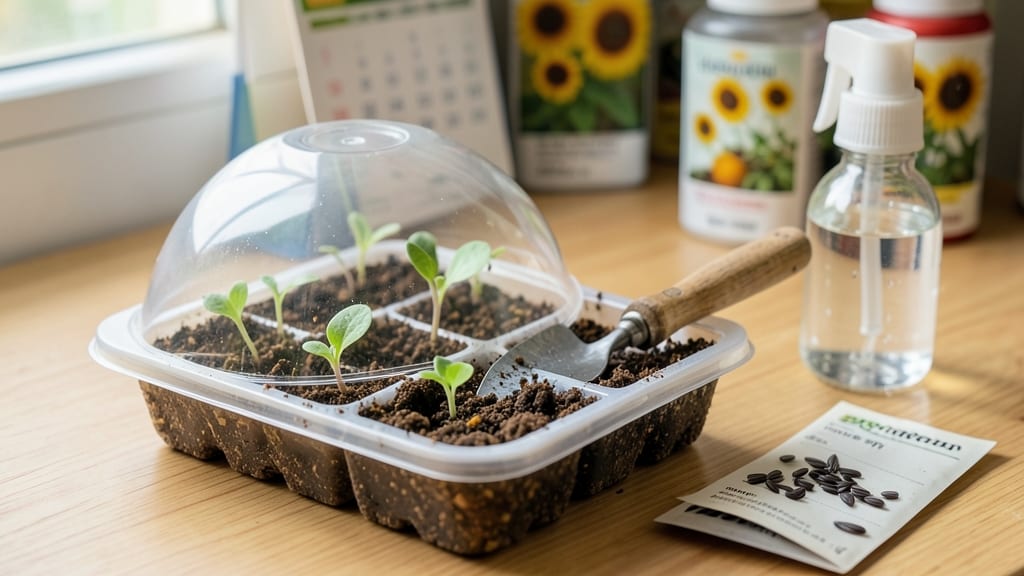
When to start planting flower seeds at the right time means the difference between a garden bursting with 🌸 and one that fizzles out before summer.
Timing your flower seed planting perfectly can mean the difference between a vibrant summer garden and a sad, wilted disappointment—so knowing your USDA zone and last frost date is non-negotiable.
In Zone 6a, where frost lingers until mid-April, cool-season bloomers like pansies can go in the ground as early as February, while heat-lovers like zinnias wait until after May 15—but those dates shift if you’re using row covers or starting seeds indoors.
Below, I’ll walk you through how to pinpoint your exact planting window, adjust for microclimates, and even stretch your season with simple tricks that keep flowers blooming from spring to fall.


How to find your last frost date by USDA Zone for flower seed planting
Timing your flower seeds correctly starts with knowing your last frost date, which varies dramatically across the U.S. based on your USDA hardiness zone. This critical date determines when you can safely plant cool-season flowers outdoors without risking frost damage.
For example, my Zone 6a garden in the Midwest typically sees its last frost around April 15, while coastal Zone 9b areas may not experience frost until December.
Your last frost date isn't just about the calendar—it's about historical averages and microclimates. A valley might frost earlier than a hillside just 5 miles away, so always adjust for your specific location.
For accurate planning, I recommend using three reliable sources: the USDA Plant Hardiness Zone Map, your local cooperative extension service, and weather station data from the past 5 years.
Here's how to find your exact date in 3 simple steps: First, locate your USDA zone using the interactive map on the USDA ARS website. Then, check your local extension office's frost calendar—they often provide 10-year averages for more precision.
Finally, observe your own garden's patterns for at least 3 years to account for local microclimates like bodies of water or urban heat islands.
Once you've identified your last frost date, calculate your planting timeline by working backward. Most flower seeds need 6-8 weeks indoors before transplanting, so if my last frost is April 15, I'll start marigolds indoors around February 15.
For direct-sown flowers like zinnias, I wait until 2 weeks after the last frost when soil temperatures consistently reach 60°F.
Don't rely solely on averages—adjust for your microclimate. A south-facing slope warms up faster than a north-facing garden, so I plant there 1-2 weeks earlier. Similarly, low-lying areas may frost later.
I've learned this the hard way with my pansies—they survived a late April frost in my sunny bed but perished in the shaded corner.
For warm-season flowers like sunflowers or cosmos, timing matters differently.
These thrive in hot soil, so I wait until 2-3 weeks after the last frost when nighttime temperatures stay above 50°F. In my Zone 6a garden, that means late May—never before Memorial Day weekend, or I risk stunted growth from cool soil.
Pro tip: Use a frost date calculator like the one from the National Oceanic and Atmospheric Administration (NOAA) for localized data. I've found their 30-year averages are more reliable than generic zone maps.
Also, consider historical weather patterns—if your area has had early frosts in the past, err on the side of caution by waiting an extra week.
Remember, your last frost date isn't set in stone—it shifts slightly each year. I keep a garden journal noting when I plant and when frosts occur, adjusting my schedule yearly.
For example, my Zone 6a last frost crept earlier by 3 days last spring due to climate changes, so I'm now planting snapdragons 2 days ahead of schedule.
For fall planting, the process reverses. Calculate your first frost date (typically 4-6 months after your last frost) and count backward. In my area, that's around October 31, so I plant cool-season flowers like calendula in early September for a late-season bloom.
Always check seed packets—they often specify days to maturity and whether the flower is a cool-season or warm-season variety.
Finally, when in doubt, use season extenders like row covers or cold frames to push your planting window. I've successfully grown pansies through light frosts using a simple hoop house, extending my blooming season by 3-4 weeks. This flexibility lets me experiment with earlier plantings without risking frost damage.
Best flower seed planting times by seed type (cool vs warm season flowers)
Planting flower seeds at the right time ensures strong, healthy blooms all season long. Cool-season flowers like pansies and snapdragons thrive in spring or fall, while warm-season varieties like marigolds and zinnias need warmer soil temperatures to germinate.
Your USDA zone and last frost date determine the perfect window—miss it, and you risk stunted growth or frost damage.
For example, in Zone 6a, most warm-season flowers should wait until after May 15, while cool-season blooms can start as early as March 1. Perennials like coneflowers often need two planting windows: early spring or late summer.
Let’s break down the best timing for each type to maximize your garden’s potential.
Warm-season flowers like marigolds and zinnias are impatient—literally! They won’t germinate until soil temperatures hit 60°F or warmer. That’s why I always check my soil with a thermometer before sowing.
For cool-season flowers, like pansies or snapdragons, early spring or late summer planting gives them time to establish roots before winter or summer heat sets in.
Perennials like coneflowers and lavender are more forgiving—they can handle two planting windows. Plant them in early spring for summer blooms or in late summer to establish roots before winter.
This two-pronged approach ensures longer blooming periods and hardier plants. For example, lavender planted in September often blooms the following year with minimal care.
Pro tip: Use row covers or cold frames to extend your planting season. I’ve successfully grown warm-season zinnias in Zone 5b by starting them indoors in March and transplanting after the last frost.
Adjust your timing based on microclimates—south-facing beds warm up faster than shady spots, so plant heat-lovers there first.
Miss the ideal window? Don’t panic! Succession planting lets you sow new seeds every 2–3 weeks for continuous blooms. For instance, bachelor’s buttons sown in April, May, and June will give you nonstop color all summer.
Just remember: warm-season flowers need consistent warmth, while cool-season varieties tolerate light frosts once established.
Start with these zone-specific guidelines, and your garden will reward you with bold, vibrant blooms from spring to fall. Happy planting! 🌸