
How To
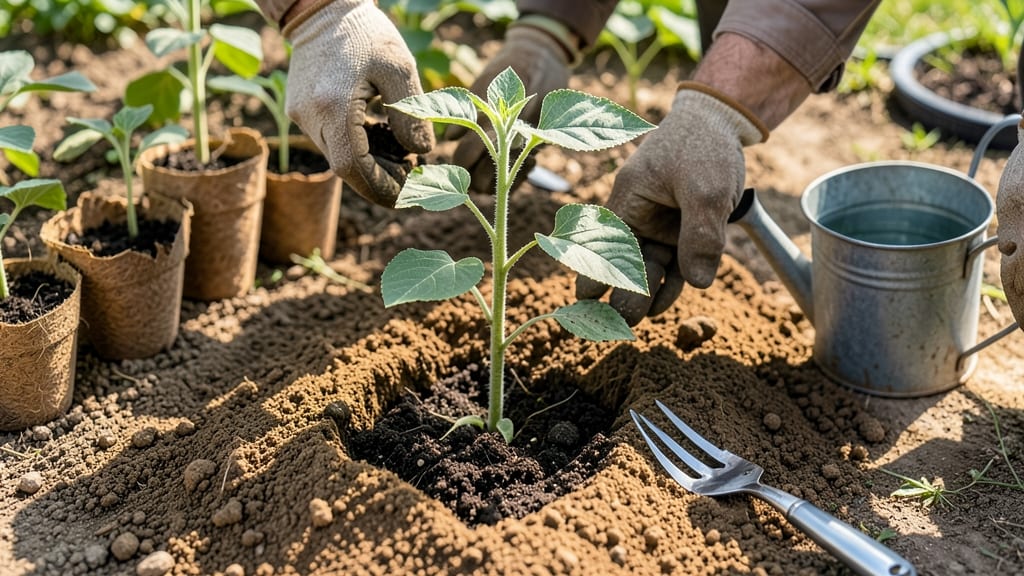
Transferring sunflower seedlings at the right time ensures they grow tall and strong 🌻—wait until nighttime temperatures stay above 50°F and all frost risk has passed.
Sunflowers grow fast—but transferring seedlings too early or too late can stunt their growth or invite disease. Timing the move from indoor starts to outdoor soil is the difference between a thriving 10-foot giant and a struggling transplant.
Most gardeners in USDA Zone 6 should aim for mid-April to early May, after hardening off seedlings for 7-14 days to toughen them up. If you rush it, weak roots won’t anchor, and if you wait too long, seedlings may outgrow their pots.
Below, I’ll walk you through the exact signs to watch for—like sturdy stems and 4+ true leaves—plus how to prep your soil and avoid common pitfalls that kill transplants.
Sunflower seedling hardening stages: when to start acclimating transplants
Sunflower seedlings grow quickly indoors, but they need a gradual transition to outdoor conditions before transplanting. The hardening process—also called acclimatization—helps toughen seedlings against wind, sun, and temperature fluctuations. Without it, your delicate starts can suffer from transplant shock, stunted growth, or even death.
I’ve learned the hard way that skipping this step means weaker plants that struggle to reach their full 10-foot potential.
Start hardening about 7-14 days before your planned transplant date, depending on your local climate. The goal is to mimic outdoor conditions slowly, so seedlings adjust without stress. Look for 4-6 true leaves and stems thick enough to support their own weight—these are key signs they’re ready.
In my experience, USDA Zone 6+ gardeners can begin hardening in early May, while cooler zones may wait until late May or June.
Step-by-Step Sunflower Seedling Hardening Process
-
1
Day 1-3: Start with 1 hour of outdoor exposure
Place seedlings in a shaded, sheltered spot (like a porch or under a tree) for 1 hour daily. Gradually increase time by 30 minutes each day. -
2
Day 4-7: Introduce direct sunlight
Move seedlings to partial sun (2-4 hours) for 2-3 hours daily. Monitor for wilting—if leaves droop, extend the process by a day. -
3
Day 8-10: Test wind tolerance
Place seedlings in full sun (4-6 hours) and expose them to gentle breezes. If stems bend but don’t break, they’re ready for the next step. -
4
Day 11-14: Full outdoor conditions
Leave seedlings outside overnight only if temperatures stay above 50°F (10°C). If frost is forecast, bring them back indoors. -
5
Transplant when ready
Seedlings are ready when they’ve survived full sun and wind for 3+ days and nights above 50°F (10°C). Plant in well-draining soil at the same depth as their indoor containers.
One common mistake I’ve seen is rushing the process when nights are still chilly. Sunflowers can tolerate 50°F (10°C) nights after hardening, but anything below 45°F (7°C) risks stunting growth.
Use a frost blanket for extra protection if needed, especially in USDA Zones 1-5. Also, avoid hardening on windy days—young stems can snap under sudden gusts.
Pay attention to the color and texture of leaves during hardening. Healthy seedlings will have deep green, firm leaves with no yellowing or browning. If you notice wilting or curling, slow down the process and give them more shade.
Overwatering during this phase can also weaken stems, so let the soil dry slightly between waterings. I’ve found that morning watering (before 10 AM) helps prevent fungal issues.
Another pro tip: Harden seedlings in their original containers for the first few days. This makes it easier to adjust their position if they’re struggling. Once they’re thriving in outdoor conditions, you can gently remove them from pots to check root growth.
Strong roots mean they’re ready for transplanting! If roots are circling or tangled, give them a few more days of hardening.
Timing your transplant right after hardening is crucial. Aim to move seedlings outdoors when soil temperatures reach 60°F (15°C)—this warmth encourages root establishment. In my garden, I’ve had the most success transplanting in the early afternoon when temperatures are warmest.
Avoid transplanting on hot, sunny days, as the stress of moving combined with intense sun can scorch tender leaves.
After transplanting, give your sunflowers a deep watering to help roots settle into the soil. Mulch around the base with 2-3 inches of straw or grass clippings to retain moisture and regulate soil temperature.
This step reduces stress and helps seedlings focus on root growth rather than recovering from transplant shock. I’ve seen sunflowers recover from rough handling, but adding mulch gives them that extra boost.
Remember, sunflowers are resilient, but they still need patience during the hardening phase. If you follow these steps, your seedlings will transition smoothly and grow into those majestic 10-foot giants you’re dreaming of. The key is consistency—gradual exposure to outdoor conditions builds strength without shock. Happy gardening! 🌻
Optimal soil and weather conditions for transplanting sunflower seedlings
Sunflower seedlings thrive when transplanted into soil that’s warm and well-prepared. The ideal soil temperature for transplanting is 60°F or higher, ensuring roots establish quickly without shock.
In USDA Zone 6, this typically aligns with mid-April to early May, but always check your local frost-free dates to avoid cold snaps.
Before transplanting, test your soil’s readiness by pressing your finger 1-2 inches deep. The soil should feel moist but not soggy, with good drainage to prevent root rot.
Sunflowers prefer slightly acidic to neutral soil (pH 6.0–7.0), so a simple pH test kit will confirm if amendments are needed.
| Factor | Direct Sowing | Transplanting Seedlings |
|---|---|---|
| Timing | After last frost, soil 50°F+ | Soil 60°F+, hardened seedlings |
| Growth Speed | Slower initial growth | Faster establishment (head start) |
| Pest Risk | Lower (no transplant shock) | Higher if stressed |
| Best For | Warm climates, large gardens | Short seasons, small spaces |
Weather conditions play a critical role—transplant on a cloudy day to reduce stress, and avoid moving seedlings when rain is forecasted for 24–48 hours. If nighttime temperatures dip below 50°F, protect young plants with a row cover or move transplanting to a later date.
While transplanting gives seedlings a head start, direct sowing sunflower seeds after the last frost often yields stronger plants with fewer pests. However, transplanting is ideal for short-season climates or if you’re growing dwarf varieties, which benefit from controlled indoor starts before outdoor conditions stabilize.
After transplanting, water deeply to settle soil around roots and apply 1 inch of mulch to retain moisture. Monitor for yellowing leaves, a sign of transplant shock, and adjust care as needed. With the right conditions, your sunflowers will shoot up toward the sun in no time! 🌻