
Transplanting
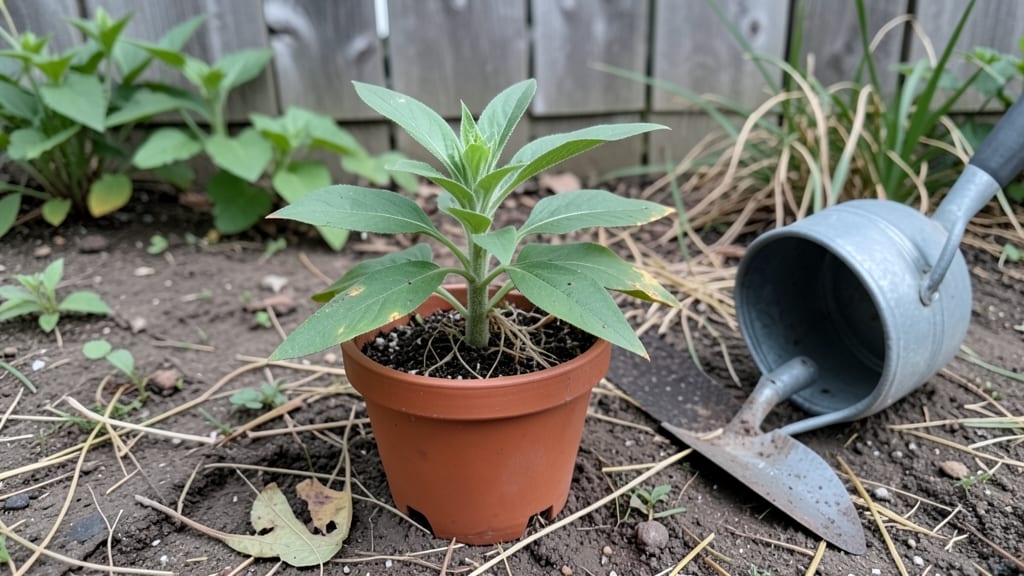
Transplanting perennial flowers works best in early spring or early fall when temperatures are mild, allowing roots to establish before extreme heat or cold. Avoid transplanting during flowering or extreme weather, and prioritize dormant or newly planted stages for higher survival rates.
Timing matters because perennials thrive when they’re not under stress—early spring lets them wake from dormancy with gentle warmth, while fall gives them a head start on root growth before winter.
In my experience, USDA Zone 5-7 gardens often shift transplanting to late April or early October, but zone-specific adjustments are key. For instance, lavender needs cooler soil to avoid shock, while hostas handle early spring better due to their hardiness. 🌱
Another pro tip: check for new growth (spring) or yellowing leaves (fall)—these signals confirm the plant’s energy is focused on roots, not blooms. Skipping these windows risks stunted growth or even death, especially in hot summers or freezing winters.
I’ve lost count of how many perennials I’ve saved by waiting for the right moment!
💡 In This Article
- Ideal Seasonal Conditions for Perennial Flower Transplants
- Step-by-Step Perennial Flower Transplanting Guide
Ideal seasonal conditions for perennial flower transplants
The secret to successful perennial transplants lies in understanding how temperature and dormancy cycles work together. In early spring, soil temperatures typically range between 50-60°F, which is warm enough to stimulate root growth but cool enough to prevent stress from sudden heat.
This window—usually 4-6 weeks before last frost—lets roots establish before the plant's energy shifts to foliage and blooms. Fall offers a similar advantage: soil stays 55-65°F while days grow shorter, signaling perennials to focus on root expansion rather than above-ground growth.
Rainfall patterns play a crucial role too. Spring showers provide natural hydration, while fall's reduced evaporation means transplanted roots can absorb moisture more efficiently. In USDA Zone 5, for example, I've found that transplanting in late April gives perennials 8-10 weeks of optimal growing conditions before summer stress hits.
The key is avoiding periods when soil is either frozen (winter) or baked dry (late summer)—both scenarios force plants into survival mode, stunting root development. 🌧️
Dormancy cycles explain why timing matters so much. Most perennials enter dormancy when temperatures drop below 40°F or rise above 85°F. Transplanting during these periods disrupts their natural energy storage process.
For instance, peonies store nutrients in their roots during summer dormancy—disturbing them then means lost energy for next year's blooms. The solution? Time your transplant so the plant can complete its current growth phase before moving.
Climate zones demand specific adjustments. In Zone 7-9, fall transplanting often extends into November, while Zone 3-4 gardens may need to wait until mid-May to avoid late frosts. Even within zones, microclimates matter: a south-facing slope warms faster than a north-facing garden bed.
Always check for new root growth (spring) or leaf yellowing (fall)—these visual cues confirm the plant's energy is focused on roots rather than blooms or foliage.
Assessing root health before transplanting can mean the difference between success and failure. Healthy roots should appear white or light tan and feel firm but flexible—like fresh asparagus stalks. Dark, mushy roots indicate rot, while dry, brittle roots suggest drought stress.
In my garden, I've seen coneflowers with 3-4 inch roots establish perfectly when transplanted in early spring, while the same plants moved in summer often wilted within days.
The rule of thumb: aim for roots that are at least 25% of the plant's height—this ensures enough energy reserves for recovery.
What most gardeners overlook is how transplanting affects the plant's water balance. Perennials moved during peak heat lose moisture 3x faster than those transplanted in cooler seasons. This is why I always water deeply 24 hours before moving plants—it helps them enter a semi-dormant state, reducing shock.
The same principle applies in fall: a light frost before transplanting can actually help by triggering natural stress hormones that harden the plant. 🍃