
Flowers
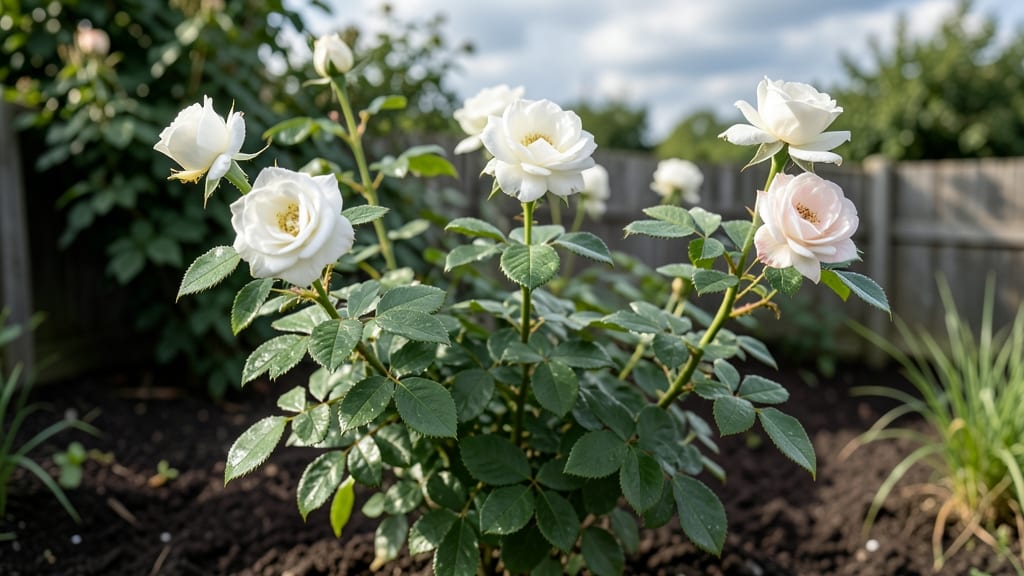
Growing white flowers in roses that stay pure white all season is an art 🌹—one that transforms your garden into a breathtaking, monochromatic masterpiece.
But here’s the catch: those flawless white blooms don’t stay that way on their own. Without the right soil, sunlight, and pruning tricks, even the hardiest white varieties can turn yellow or dull over time.
I’ve learned the hard way—after planting my first batch of 'Iceberg' roses, I watched in frustration as their petals faded by midsummer.
What you’re about to discover is how to keep those petals as bright as the day they opened, no matter the season. We’ll cover the best white rose varieties that resist yellowing, the soil secrets that lock in their purity, and the pruning schedule that keeps them blooming like clockwork.
Ready to grow white roses that steal the show? Let’s dive into the techniques that’ll have your garden looking like a high-end floral arrangement—without the price tag.
Best white rose varieties that stay pure white all season
If you dream of a garden filled with flawlessly white roses that stay pristine from spring to fall, you’re not alone. Many gardeners struggle with petals that yellow or fade over time, but the right white rose varieties can maintain their creamy elegance with proper care.
The key lies in selecting disease-resistant hybrids and providing ideal growing conditions. Let’s explore the top pure-white roses that stay true to their color all season long.
Not all white roses are created equal. Some varieties develop yellowing edges due to nutrient deficiencies or fungal pressure, while others maintain their snow-white petals effortlessly. The varieties I’ve chosen for this list are proven performers in gardens across USDA Zones 5-9, where they thrive with minimal fading.
Whether you prefer climbing roses, shrub roses, or hybrid teas, there’s a perfect match for your garden’s style and climate.
Comparison Table: Best Pure White Roses
| Variety | Type | Height | Hardiness Zones | Bloom Season | Care Tips |
|---|---|---|---|---|---|
| Iceberg | Climbing | 10-15 ft | 5-9 | June-October | Prune annually to encourage blooms; mulch to retain moisture. |
| White Knock Out | Shrub | 3-5 ft | 4-9 | May-Frost | Drought-tolerant; deadhead spent blooms for continuous flowers. |
| Cécile Brünner | Hybrid Tea | 4-5 ft | 5-9 | June-September | Stake tall stems; fertilize monthly during bloom season. |
| White Meillandina | Floribunda | 3-4 ft | 6-10 | May-October | Plant in full sun; water at soil level to avoid petal spotting. |
| Blanc Double de Coubert | Old Garden | 5-6 ft | 5-8 | June-August | Prune lightly; mulch heavily for winter protection. |
The Iceberg rose is a climbing queen that covers trellises and arbors with double blooms in pure white. Its disease resistance makes it ideal for humid climates, and its repeat blooming ensures your garden stays white from summer to frost.
For a low-maintenance option, the White Knock Out rose is a drought-tolerant shrub that blooms continuously with minimal care, making it perfect for busy gardeners.
If you love cut flowers for arrangements, the Cécile Brünner hybrid tea is a showstopper. Its large, velvety blooms stay pristine when grown in well-draining soil with regular feeding.
For a romantic cottage garden, the Blanc Double de Coubert offers old-world charm with its ruffled petals and classic fragrance. Each of these varieties thrives in full sun and moderate moisture, but their color retention depends on proper soil pH and nutrient balance.
To keep your white roses looking their best, I recommend testing your soil’s pH level (aim for 6.
Soil and sunlight secrets to prevent yellowing in white roses
White roses lose their pristine beauty when petals yellow, often due to nutrient imbalances or poor sunlight exposure. The key to maintaining that snow-white elegance lies in two critical factors: soil pH and sunlight duration.
Unlike other roses, white varieties are particularly sensitive to iron deficiencies and high alkaline soils, which cause unsightly yellowing. Let’s fix this with science-backed solutions.
Your roses need a slightly acidic soil with a pH between 6.0 and 6.5—this is the golden range for white roses. If your soil tests higher (alkaline), iron becomes unavailable to the plant, leading to chlorosis (yellowing between veins).
Even with enough iron in the soil, the roots can’t absorb it if the pH is off. Organic amendments like elemental sulfur or peat moss can lower pH naturally over time.
Before adjusting pH, test your soil with a home test kit or send a sample to your local cooperative extension service. If the pH is above 6.5, mix in 1-2 pounds of elemental sulfur per 100 square feet of soil and water thoroughly.
Re-test in 2-3 months. For iron deficiency, apply chelated iron (a plant-available form) every 4-6 weeks during growing season. Avoid iron sulfate—it can raise soil pH over time.
🌹 Key Takeaways for Pure White Roses
- Soil pH: 6.0-6.5 (test annually)
- Iron Fix: Chelated iron every 4-6 weeks (spring-fall)
- Sunlight: 6+ hours daily (no afternoon shade)
- Avoid: Overwatering (root rot) or high-nitrogen fertilizers (burns)
💡 Pro Tip: Mulch with pine needles to naturally lower pH over time.
Sunlight is just as critical as soil. White roses thrive in full sun—that means 6+ hours of direct sunlight daily. Afternoon shade can weaken stems and reduce chlorophyll production, making petals more prone to yellowing.
If your roses are in a partially shaded area, consider relocating them to a south-facing spot or prune nearby trees to increase light exposure. Even reflective surfaces (like white walls) can help bounce extra light onto plants.
Watch for nutrient deficiencies beyond iron. Yellowing can also signal magnesium deficiency (yellowing between veins) or zinc deficiency (small, yellow leaves). Fix these with Epsom salt (for magnesium) or zinc sulfate (follow package rates).
Always water deeply in the morning to prevent fungal diseases like black spot, which can stress plants and cause discoloration.
For organic solutions, mix composted manure or worm castings into the soil in early spring. These add micronutrients while improving soil structure. Pair white roses with companion plants like lavender or thyme—they deter pests and improve air circulation, reducing stress on your roses.
With these adjustments, your white roses will stay flawlessly pure from bloom to bloom.