
Flowers
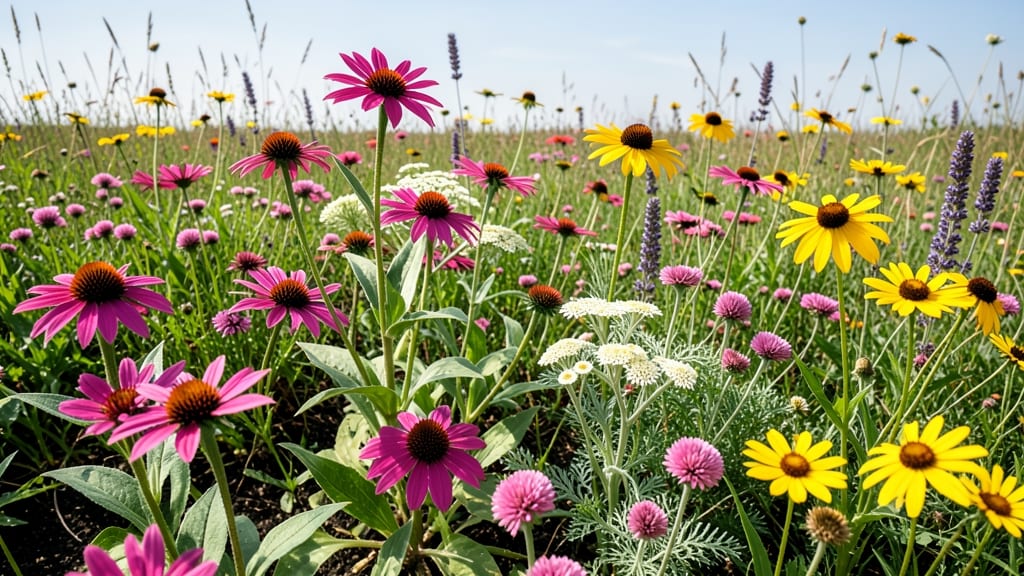
Creating a wildflower meadow with pollinator-powered flowers 🌼 transforms any yard into a buzzing, beautiful ecosystem that thrives with minimal effort.
Picture this: bees humming over goldenrod, butterflies dancing through purple coneflowers, and hummingbirds darting between blooms—all while your lawn requires far less mowing and watering. That’s the magic of native wildflowers, which not only support local wildlife but also bring vibrant color with almost no upkeep once established.
Unlike high-maintenance gardens, these meadows are designed to flourish with natural resilience, requiring only the right mix of seeds, sunlight, and a little patience. Whether you have a small patch or an entire field, the key lies in selecting the right wildflower varieties for your climate and soil.
In this guide, I’ll walk you through choosing the best seasonal bloomers, preparing your soil, and arranging them for year-round beauty—plus tips to keep your meadow thriving with almost no effort.
Best wildflower meadow flowers for pollinators by season
A thriving wildflower meadow isn't just beautiful—it's a pollinator powerhouse. By selecting the right seasonal bloomers, you can create a continuous buffet for bees, butterflies, and hummingbirds from early spring through frost.
The key lies in layering native species with staggered bloom times to ensure year-round color and ecosystem support. Let's explore my top picks for each season, along with planting strategies to maximize their impact.
For early spring bloomers, focus on hardy perennials that emerge quickly after frost. These flowers provide critical early-season nectar when pollinators first wake up. In summer months, tall grasses and bold annuals take center stage, offering both food and habitat.
Finally, late-season favorites extend the party into fall, supporting migrating pollinators and storing energy for next year's growth. Together, these layers create a self-sustaining ecosystem that thrives with minimal intervention.
| Season | Top Wildflowers | Pollinator Benefits | Planting Tips |
|---|---|---|---|
| Early Spring (March-May) |
|
|
|
| Summer (June-August) |
|
|
|
| Late Season (September-October) |
|
|
|
| Year-Round Structure |
|
How to design a low-maintenance wildflower meadowDesigning a low-maintenance wildflower meadow starts with the right approach—one that prioritizes native plants, minimal soil prep, and strategic spacing to crowd out weeds naturally. The key is to mimic nature by selecting a mix of perennial wildflowers that bloom at different times, ensuring continuous color and pollinator support from spring through fall. Unlike traditional lawns, these meadows thrive on neglect once established, with deep roots that outcompete invasive grasses. Before you begin, assess your space for sunlight exposure and soil type. Most wildflowers prefer full sun (6+ hours daily) and well-draining soil, but some shade-tolerant varieties like black-eyed Susans or asterns can thrive in partial shade. If your soil is heavy clay or sandy, amending it with compost or sand will improve drainage and fertility—though wildflowers are surprisingly adaptable once they get going. 1
Choose Native Wildflower SeedsSelect a mix of 5-7 native species for diversity. Include early bloomers like wild lupine and violets, mid-season stars like coneflowers and black-eyed Susans, and late-season favorites like goldenrod and asters. Buy from reputable suppliers to ensure pure, untreated seeds. 2
Clear and Prepare the SoilRemove existing vegetation, including grass, using a sod cutter or smothering method (lay cardboard over the area for 2-3 months). Loosen the top 4-6 inches of soil with a broadfork or tiller, then rake to create a fine, clump-free seedbed. Avoid overworking the soil—wildflowers prefer loose, undisturbed earth. 3
Scatter Seeds and Lightly RakeBroadcast seeds evenly across the prepared area, aiming for 1-2 lbs per 100 sqft. Use a seed spreader for larger areas or hand-scatter in smaller patches. Lightly rake the soil to ensure seeds make contact with the earth—this helps with germination. Avoid burying seeds deeper than ¼ inch, as most wildflowers need light to sprout. 4
Mulch and Water SparinglyApply a thin layer of straw mulch (2-3 inches) to retain moisture and suppress weeds. Water lightly but frequently for the first 2-3 weeks, keeping the soil moist but not soggy. Once seedlings emerge, reduce watering to once a week or when rainfall is insufficient. Overwatering can drown tender sprouts. 5
Let Nature Take OverAfter the first year, minimize intervention. Wildflowers establish deep roots that outcompete weeds. Mow once a year in late fall or early spring to remove dead growth and encourage new shoots. Avoid fertilizers—wildflowers thrive in low-nutrient conditions and bloom more vigorously without them. One of the biggest myths about wildflower meadows is that they require constant upkeep, but the truth is, they’re designed to self-sustain. Once established, these plants form dense root systems that choke out weeds and require little to no additional care. To encourage the best results, avoid tilling after the first year—this disturbs the roots and can invite invasive species. Instead, focus on seasonal mowing and occasional deadheading to keep the meadow looking its best. For added pollinator appeal, consider adding native grasses like switchgrass or little bluestem to your mix. These grasses provide habitat and nesting sites for butterflies and birds while adding texture and movement to your meadow. Plant them in clusters around wildflowers to create a natural, layered look that mimics a true prairie ecosystem. Over time, your meadow will become a self-sustaining haven for wildlife, all while reducing your gardening workload. Remember, the first year is the most critical—patience is key. Your meadow may look sparse at first, but by the second or third year, it will burst into vibrant color with minimal effort on your part. Embrace the process, and soon you’ll have a low-maintenance paradise that buzzes with life year-round. |